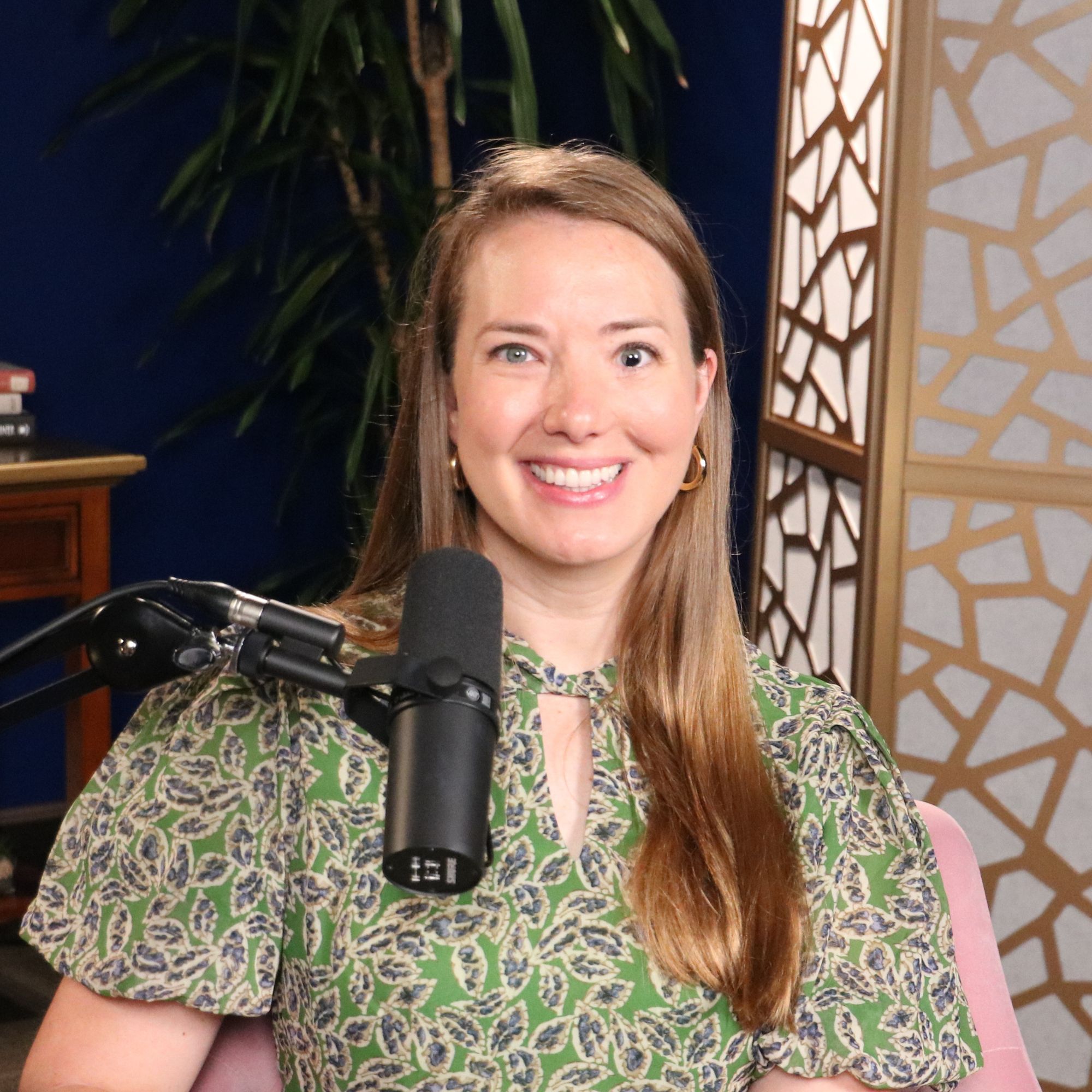
Dorothy: [00:00:00] Meredith Hilliard is the very first person I’ve ever interviewed who had the robotic prophylactic mastectomy. Now, that’s one thing that is amazing about her, but the other thing is that she knew from the age of 12 what breast cancer was all about. She’d seen her mother go through treatment. She knew how hard it could be. So Meredith made a very difficult decision for most women. Now she tells us she was prepared. She knew she had to do it, and that she didn’t want to take a chance when she had an alternative at her fingertips. This is a whole different approach to something that every woman dreads, and yet Meredith has made a different future for herself by making that decision.
When you subscribe to our show, you help us grow. Someone you know may need to hear this story. So please share with your family and friends and consider supporting our mission at [00:01:00] therose.org.
Let’s Talk About Your Breast, a different kind of podcast presented to you by The Rose. A breast center of excellence and a Texas treasure. You’re gonna hear frank discussions about tough topics, and you’re gonna learn why knowing about your breast could save your life.
Meredith, thank you so much for being with us today. I, I know that you have such an interesting story and our, our listeners are gonna love it. So tell me a little bit about you.
Meredith: Well, my name is Meredith Hilliard. I am from Corpus Christi, Texas. I moved to Houston in 2015. I came across The Rose. I was working or volunteering at the Junior League and where organization was having a I believe it was Hats and Henna.
Dorothy: Hats and Henna.
Meredith: And learned about the group. And we just started chatting and here I am today.
Dorothy: One of our events that we love having at the [00:02:00] Junior League is the Hats and Henna event. And I’ll remember when my chief development officer came in and said, oh, I’ve got this wonderful woman. She, she wants to talk about her, her story, but yours is sad, happy. Very, very different kind of story. Now, your mother had breast cancer?
Meredith: Yes. She had stage three breast cancer when she was 42. Um, I was 12 years old, so at that age, I don’t really, it was a sad time, but I didn’t understand exactly what she was going through. I knew that, you know, she was having to wear her chemo pump on the weekends and she had the iodine stains on her and all of the things, but I didn’t really realize the time.
Dorothy: So the iodine stains were from.
Meredith: The port.
Dorothy: Okay.
Meredith: So my dad would clean it every week. And I remember seeing her hair. She’d put in the toilet and it was little things like that. But when you’re 12 years old, you don’t realize the emotional aspect that she was going through. Um. [00:03:00]
Dorothy: But you knew she had a cancer?
Meredith: Yes. I knew she had stage street breasted cancer. Okay. And I hadn’t told any of my friends at the time. I was kind like keeping it secret, I guess. Um. And she, we lived in Corpus, so she was going up to MD Anderson quite often, but doing her chemo weekly in Corpus. So she actually had a full mastectomy. It had, um, moved to her lymph nodes, spread to her lymph nodes, and because of the BRCA gene that we had, she also had her ovaries removed as well. So my poor mom, again, she was 42 years old and had a 12-year-old and a 15-year-old. Girls. And so watching her go through that, it was, it was eye-opening. But again, I didn’t realize until I was older, like, wow, how strong she really was to take that on.
Dorothy: How did you know you had the BRCA gene?
Meredith: So my grandfather is actually the carrier and about a month before my mom was diagnosed with breast breast cancer, [00:04:00] he found out that his cousin was actually BRCA one and BRCA two positive, um, coming from, my, his cousin’s, mother’s side and father’s side. So following that, my grandfather and his cousins got tested. Um, one of his cousins had it and he had it. So I guess, um, yes, my grandfather is a father of four girls, so instantly he thought, oh, no, and he was tested, found out, and then. Once my mom was diagnosed organ, again, this was early two thousands, so it wasn’t that well known. He, um, got them the information and my mom happened to be getting, um, her mammogram and said, Hey, by the way, my dad has this thing I wanna let y’all know. And they said We wouldn’t take this little lump we found seriously, but because we know this information, we’re gonna do a little further into it. And thankfully they did.
Dorothy: Oh my goodness.
Meredith: And actually six months prior to that mammogram she had felt a lump, and it was the same lump , [00:05:00] but it was kind of ignored the first time they had said, oh, it’s nothing. It’s tissue.
Dorothy: Right.
Meredith: And so six months later, it probably would’ve happened again had she not known about this gene my grandfather had. Which she then tested for and found out she was positive for as well.
Dorothy: That’s a God thing.
Meredith: Yes. Oh, a hundred percent.
Dorothy: Oh yeah.
Meredith: Yes. And at that point she’s already stage three and there’s been so many times in my life I’ve thought, okay, if they would’ve caught it earlier would she have had to do all that radiation, all that chemo, everything she went through, but, her doing that then had her sisters test and of her three sisters, two are positive and they also had prophylactic mastectomies and this was I think like 2004, 2005. And so.
Dorothy: Oh my gosh, that’s very progressive for that.
Meredith: Yes. They got a lot of feedback of like, why would you do this? Like, this is so extreme. But my mother’s, my grandmother, so my mom’s mom’s side who does not have brca, she actually had breast cancer three different times because she just did [00:06:00] lumpectomies and just kept coming back and coming back. So my aunts were kind of like me. They see what can happen and what you can go through and thought, I’m not doing this.
Dorothy: Oh my goodness. Just all around you.
Meredith: Yes, exactly. And my mother’s. Her grandmother’s on both sides had breast cancer, and it’s on her father’s side with the brca. And her mother’s side. So. Assuming her grandmother had BRCA as well because she had breast and ovarian cancer, which is part of the BRCA gene.
Dorothy: Yeah, yeah. Yes. Now, your sister also was tested?
Meredith: Yes, my sister tested. She is positive. Um, and she’s my older sister. She has not had a mastectomy. I don’t know if she really, I hope she plans to, but she has two little boys and I know that. It’s hard to do when you have kids. And I also know having cancer, it’s hard to do when you have kids as well.
Dorothy: Yeah.
Meredith: Um, and then I have two cousins who are also positive for the gene.
Dorothy: You don’t make a decision like that overnight.
Meredith: Right.
Dorothy: And how did you come [00:07:00] around to making yours?
Meredith: So I was, so, um, MD Anderson recommends that when you have the gene, you have a MRI and a and a mammogram every six months, alternating.
So I did that a couple times, and every time I would go to my appointments, I’d be run by women who were sick. They were in wheelchairs, they, they were sick, they were trying to survive. And, um, I twice they called and said, Hey, there’s some questionable things on your imaging. The first time it was a quick little just, okay, the second scan doesn’t see it.
The next time I went in, they informed me that, okay, I need to come back for a needle biopsy. So I thought, okay. Went in for that biopsy and they weren’t able to find it. And I thought, okay, then we’re all good. And they said, no. It was on the imaging. You need to come back again for an MRI LED biopsy. So at that point I start getting concerned and just the waiting for the results come back for, [00:08:00] I guess like almost a week was such a stressful time for me. And the lead up to that needle led or MRI led biopsy was very stressful. And so I think at that point it hit me that I was just waiting for my diagnosis to come. Um, I think it’s up to 85% more like that, you’re going to have breast cancer with the BRCA gene.
Dorothy: Yeah.
Meredith: And so it was just like I was buying my time every six months. Is it time for my cancer? Is it time for my cancer yet? And I know if you were to ask those women who I would see in the waiting room, would you stop the, would you fix this before you gotta that point? Would you do it? And I think they would all agree before having to go through chemo. Everything that they were experiencing.
Dorothy: That’s an interesting way of thinking about it.
Meredith: Yes. And I almost felt guilty being in the, the waiting rooms because I was sitting there healthy and I, and they were all sick and they had family members with them holding their hands and I thought, I don’t, I don’t wanna be in their [00:09:00] shoes. So I felt just very lucky to have the information that I had, and I wasn’t just going to like, put it onto the wayside when I could do something about it.
Dorothy: So how old were you then?
Meredith: I tested at 23. And I was 31 when I had my prophylactic mastectomy.
Dorothy: Hmm. That’s a long time to.
Meredith: To be waiting on it. Yes.
Dorothy: Right, right. Yeah. But you didn’t just go in and have a mastectomy. I mean, you, you had a, a group of support people around you.
Meredith: Oh yes.
Dorothy: Who were going to make this very different. Absolutely.
Meredith: And I knew that my mom handled it with two kids. I had my friends who, again, I didn’t think it was a big deal that I was having this surgery. I thought, okay, it’s just a quick, you know, I’m not going through chemo, I’m not doing this. But when I told my friends that I was doing it, I was just covered in support. They were all like, oh, we have throw you a party, we to do this. I’m like, come on guys, it’s not a big deal. And um, they ended up throwing me a party.
It [00:10:00] was Toodeloo to the Tatas. They had, um, variations of.
Dorothy: Say that again!
Meredith: Toodeloo to the Tatas. And um, they had melons and melon punch, all the different things for me, you know, celebrating.
Dorothy: Oh my gosh!
Meredith: The boobies. And it really just made me feel brave and strong. Like, yeah, I can do this. This is nothing. And that’s, I think, what made it so special and waking up from surgery and having just like 40 text messages from friends and people who they knew like, oh, we’re praying for you, even thinking about you. It was just so much support and it was wonderful.
Dorothy: Oh my goodness.
Meredith: Yes.
Dorothy: But now the night before your surgery, did you do any ritual? Did you say goodbye to your breast? Did you.
Meredith: No. And. Naturally, I’m a very anxious person. I get freaked out about everything, and everyone in my life was kind of like, why isn’t she in freakout mode yet? Um. I [00:11:00] don’t know why, but I wasn’t nervous going into it.
Dorothy: Interesting.
Meredith: My parents kept waiting for it to like hit. And they were like, okay, it’ll hit her whenever she’s in the hospital and they, they’re doing pre-op and they wheeled me away. I just waved goodbye and they were like, oh, dad hasn’t took a picture and was like, still hasn’t hit her yet.
And um, it was kind of an ignorance is bliss sort of thing. I woke up and I was like, mom, it hurts and. Cleaning out my drains and everything. She was like, well, what did you think was going to happen? And so I didn’t do a lot of research going into it. Um, my surgery was actually a little different than the normal mastectomy. It was a robotics lead mastectomy. So, um, I learned about this trial they were doing and I was told that it makes recovery faster and smaller scar, so usually the robot operations, it’s just right now on gastro, gastro in other areas. Never in [00:12:00] breast. So with my surgery it’s, no, it’s not FDA approved yet, so it’s a trial and I was able to be patient number 10 in Texas and my surgery, surgery was done robotically, so my incision is on the side of my breast. Um.
Dorothy: Not across your chest?
Meredith: Correct.
Dorothy: Oh, interesting.
Meredith: And so, um. That also kind of got me excited for surgery, dare I say, because I thought I could be kind of a trailblazer in, once enough patients have gotten this surgery done, it would be FDA approved. And I thought, yeah.
Dorothy: But it was both sides?
Meredith: Yes. So I have the incisions on both sides, like a two inch incision on the side of my breasts. I
Dorothy: have never talked to anyone who’s had this.
Meredith: Yes.
Dorothy: I’ve heard about it, but oh my.
Meredith: So it was. I think a positive experience. Um, and my hope is that enough women will do this and when my friends are hitting breast cancer age in their forties, fifties, sixties, it’ll be FDA approved. It’s something that everyone [00:13:00] can do.
Dorothy: Wow.
Meredith: So that’s what kind of, I think accelerated me into just do it knowing that I could make a change for women in the future with breast cancer.
Dorothy: And who approached you about that?
Meredith: Um, whenever I was telling my doctor I want to go to mastectomy, I’m ready to do it. I think it was the PA in the office was saying, we heard about this trial going on. You might be a good candidate. And so I found the doctor who was doing it and we said, sign me up.
Dorothy: Wow.
Meredith: Yes.
Dorothy: Did you, would you, do you do reconstruction at the same time?
Meredith: Yes. Or, well, no. So my reconstruction was three months later and they just opened the incision back up again and they had to kind of twist the implant up because it’s such a small incision and just slide it in there and good to go. And with that reconstruction surgery, I was shocked. I, I. Because it was a quick surgery, I got home and was back to work. It was on a Friday. On Monday.
Dorothy: Oh my goodness.
Meredith: So it was, [00:14:00] it was that, it was a very positive experience.
Dorothy: That is amazing.
Meredith: Yes. And then I did physical therapy just because I wanted to make sure that I was back to normal and, um, did that for about six weeks and it was, it was a good experience.
Dorothy: So never in all of this time, have you had any regrets or anything about doing this?
Meredith: No. I wish, so I’ve told my cousin to my sister, like it, this was a three month period of my life from the original surgery to reconstruction, and then I was done. And that is three months that if I were to have waited to have cancer, it would’ve been a year’s long process.
Dorothy: Oh, absolutely.
Meredith: And everything that follows it, you know? And I don’t know if you had the information to get a prophylactic surgery. I don’t know why you would. I mean that’s almost ignorant to say because you know, there’s expenses, there’s work, things like that.
Dorothy: True.
Meredith: But, but I’d recommend to anyone, this is the easy way out.
Dorothy: So have you had to [00:15:00] counsel anyone that was considering it?
Meredith: I spoke to my cousins about it. We had a family trip and I was telling in December after finishing surgery in October and I was, they weren’t fully informed about their options and my cousin was like, well, don’t I have to get my ovaries out at the same time? And I was like, no, that’s, I’m doing that further down the road because again, with the BRCA gene, that’s part of what comes with it, that the ovary, you can be more susceptible to ovarian cancer.
Dorothy: Right.
Meredith: Um, but they didn’t realize because their mom sit at, um, breasts and ovaries at the same time because they were older.
Dorothy: Oh, of course. Yeah.
Meredith: And so they thought like, well, if I wanted to have kids and so forth. Um, and I’ve spoken to my sister about it a little bit, but again, she’s actually a single mom. She has two little boys. And so I have thought about, I don’t know how she could do this, because I was able, you know, to lay in bed for a couple weeks and, when you’re a mom, you can’t always do that.
Dorothy: No, you can’t do that.
Meredith: But also she can’t do that if she has cancer too, so
Dorothy: I know. Yes. But’s still such a personal decision.[00:16:00]
Meredith: Right.
Dorothy: One that not many women I know In, in, when you were talking earlier, you said, I don’t, people kept saying I’m brave, or you know, and you are. I mean.
Meredith: Thank you.
Dorothy: Because that’s such a, a big decision and I.
Meredith: I’m not brave enough to take on cancer. I don’t wanna do that.
Dorothy: Well, that’s, that’s an interesting way of, of looking at it.
Meredith: Yeah.
Dorothy: So do you, do you see any problem with you ever having children if you choose to do that, or.
Meredith: No. Well, hopefully I’ll have children before I get my ovaries removed, but the only difference from, um, my mastectomy is that I won’t be able to breastfeed. But that’s okay. I mean, I know that’s an important part, but again, it’s better than having cancer.
Dorothy: Yeah. And look at, and you can bond in many ways, so.
Meredith: Right. Yes.
Dorothy: I know that it came to you as you were doing your surveillance, which is what they call it.
Meredith: Yes.
Dorothy: You know, when you go back and forth for the MRI. But had you thought about it much before then?
Meredith: Somewhat. But you know, sometimes life gets in the way and I thought, when would I ever have time to do that? Oh, when like, there’s never [00:17:00] gonna be a good time. But when I felt that anxiety of waiting for my. I thought the biopsy was scary and all.
Dorothy: I bet, I bet your heart just dropped.
Meredith: Yes.
Dorothy: When you they said, come back and, yeah.
Meredith: Right. And I thought, I can’t keep doing this every six months. And again, just not waiting for the if but the when. ’cause at that point I knew either from the broca side or from the hereditary aspect of my grandmother, I was going to get breast cancer.
Dorothy: Yeah. This is such an amazing story and so hopeful. I mean, you know, this mastectomies are a tough procedure.
Meredith: Yes.
Dorothy: And they do take quite a recovery time, so it’s so good to know there’s something else out there that women can choose.
Meredith: Right.
Dorothy: You know? And you’re healthy. I mean.
Meredith: Yes.
Dorothy: Breast cancer always, i, I’ve heard this so many times. The woman said I was healthy. I, you know, where did this come from? And then suddenly you’re not healthy and very sick. So this [00:18:00] is such a, a breath of fresh air to think that we’ve got something so phenomenal that could really make a difference in people’s lives.
Meredith: Yes, it’s, it’s early detection. It’s getting tested and knowing, just being able to have the resources and the knowledge of how you can protect yourself down the road.
Dorothy: You had insurance?
Meredith: Yes.
Dorothy: And was there any hassle about doing this?
Meredith: No. At all.
Dorothy: Because of your history?
Meredith: Um, yes. And so, um, originally I was, I did my testing through my obgyn. And then she said, okay, I wanna pass you on to MD Anderson. That way, you know, my OBGYN can have eyes on things with them as well, taking a look at things. And she got me M, MD Anderson. And it was, it was very simple. It was just getting my, um, deductible knocked out. And then from there on it was all taken care of.
Dorothy: That is, that is amazing.
Meredith: Yes, it really is. So, and I, I think it’s like anything right [00:19:00] now, anything going forward, if I had to do more reconstruction and switching on to implant like that, that is included because of my history.
Dorothy: Good news on the way.
Meredith: 10 years on the road, right?
Dorothy: Yeah. Yeah. Well, thank you so much for sharing this with us, Meredith.
Meredith: Well, thank you for having me.
Dorothy: Do you have any last parting words for someone? I know you’re encouraging women to consider this, but what else would you tell them?
Meredith: It’s not just thinking about yourself, it’s thinking about your kids too, and ultimately it is your personal decision, but thinking about how it can affect your friends or your family down the road, either if you were to get sick or how you could influence them to make this stuff in their life. I think it’s, dare I say, the easy way out, but if you have the knowledge, do something with it.
Dorothy: Do something with it. Right. Such wise words for someone so young. No, seriously. Well, thank you again for being with us. We really appreciate you sharing this story.
Meredith: Thank you for having [00:20:00] me.
Dorothy: It’s a great one.
Meredith: I admire everything y’all do.
Dorothy: Thank you.
Post-Credits: Thank you for joining us today on Let’s Talk About Your Breasts. This podcast is produced by Speke Podcasting and brought to you by The Rose. Visit therose.org to learn more about our organization. Subscribe to our podcast. Share episodes with friends and join the conversation on social media using #LetsTalkAboutYourBreasts. We welcome your feedback and suggestions. Consider supporting The Rose. Your gift can make the difference to a person in need. And remember, self-care is not selfish. It’s essential.