From Survivor to Board Chair: Maria Boyce’s Fight for Breast Health Equity

Former 36-year trial attorney, breast cancer survivor, and a passionate advocate fighting for healthcare equity. Maria Boyce steps into her new role as Board Chair of The Rose, channeling her own life-saving early diagnosis into a mission to ensure quality breast healthcare is a right for all women, not a privilege. From navigating structural barriers across 45 Texas counties and supporting women through patient advocacy to making a legacy gift for future generations, Maria discusses how early detection, dedicated advocacy, and community support save lives. If this conversation has inspired you to join the fight against breast cancer, share this episode with family and friends and consider making a donation at therose.org so another woman gets the care she needs.
More Than Mammograms: How Anna Turns Grants Into Lifesaving Care
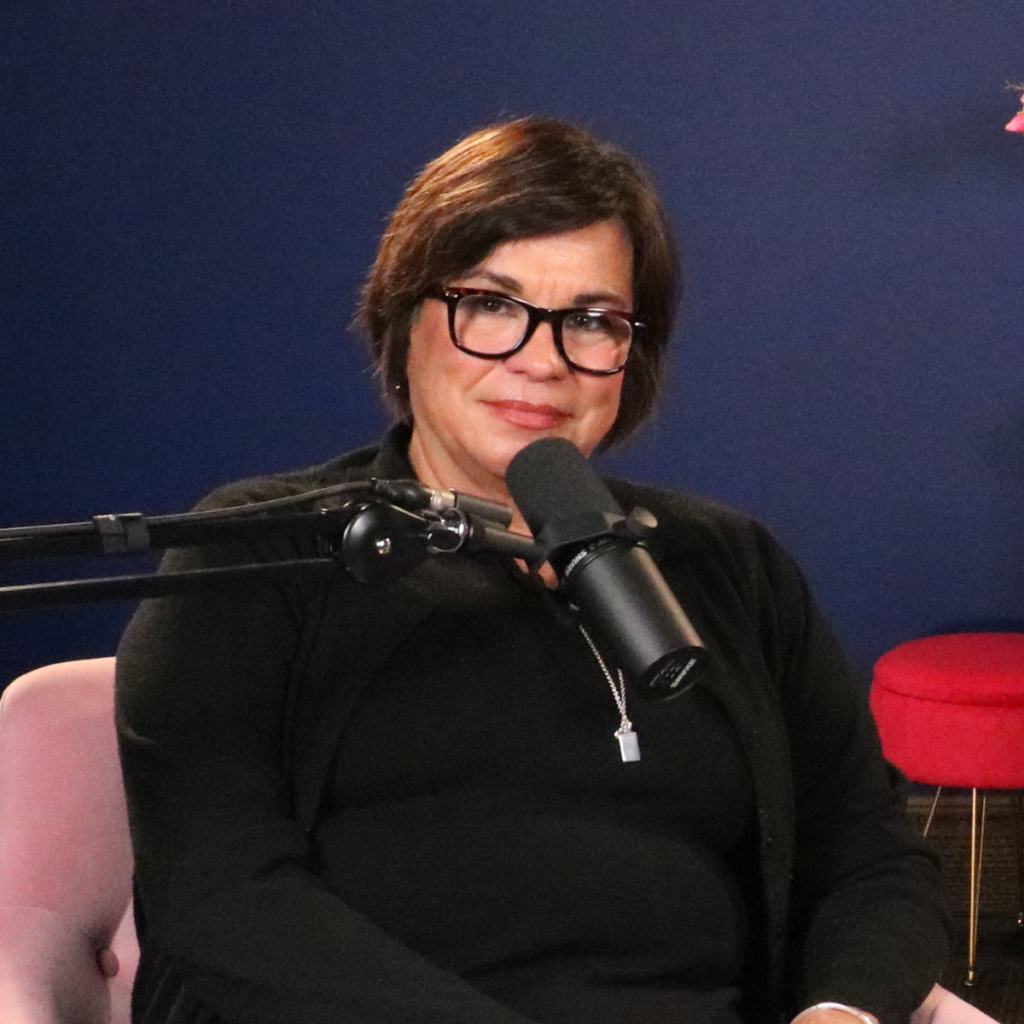
In this episode, Anna Caballero explains how she matches The Rose’s mission with state programs, foundations, and local donors, why rural counties and maintenance funds matter as much as screening dollars, and how her own mother’s late‑stage breast cancer diagnosis shaped her passion for access and self‑advocacy. She shares how today’s funders expect data, outcomes, and systems change, and why she still believes every mammogram sits inside a much bigger story of community health, navigation, and follow‑up.
Insured and Still Facing a $5,000 Biopsy Bill
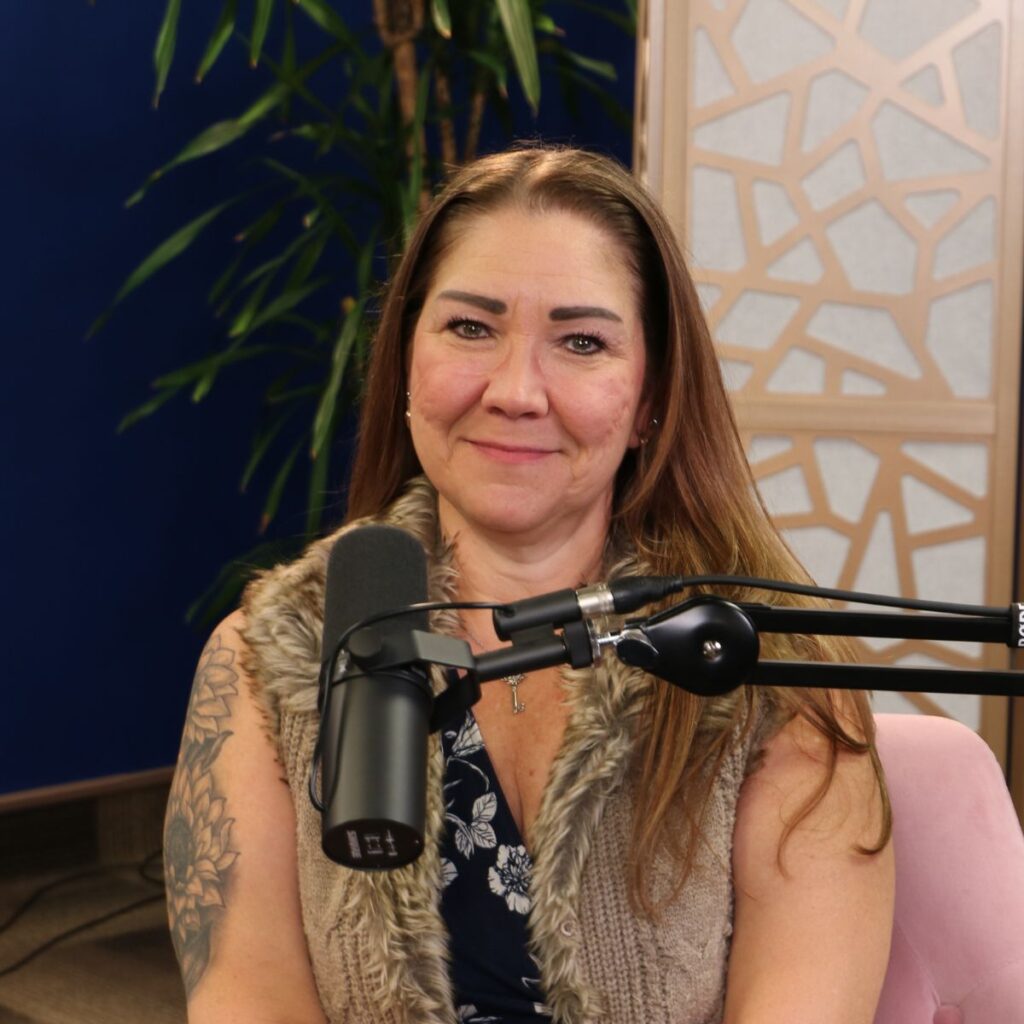
Brandi manages the tennis pro shop at Willow Fork Country Club in Katy, the club behind Pretty in Pink, an annual golf and tennis fundraiser that raised $22,000 for The Rose in a single day. She had insurance, a routine mammogram, and no reason to expect a problem until her scan came back inconclusive, then abnormal, and a biopsy she was quoted at nearly $5,000 out of pocket. In this conversation, Brandi talks honestly about the fear of waiting, the relief of a benign result, and how her whole relationship with Pretty in Pink changed once she understood exactly how the fundraiser helps all women in need.
Faith, Chemo, and T-Shirts: A Survivor Who Refuses to Whisper
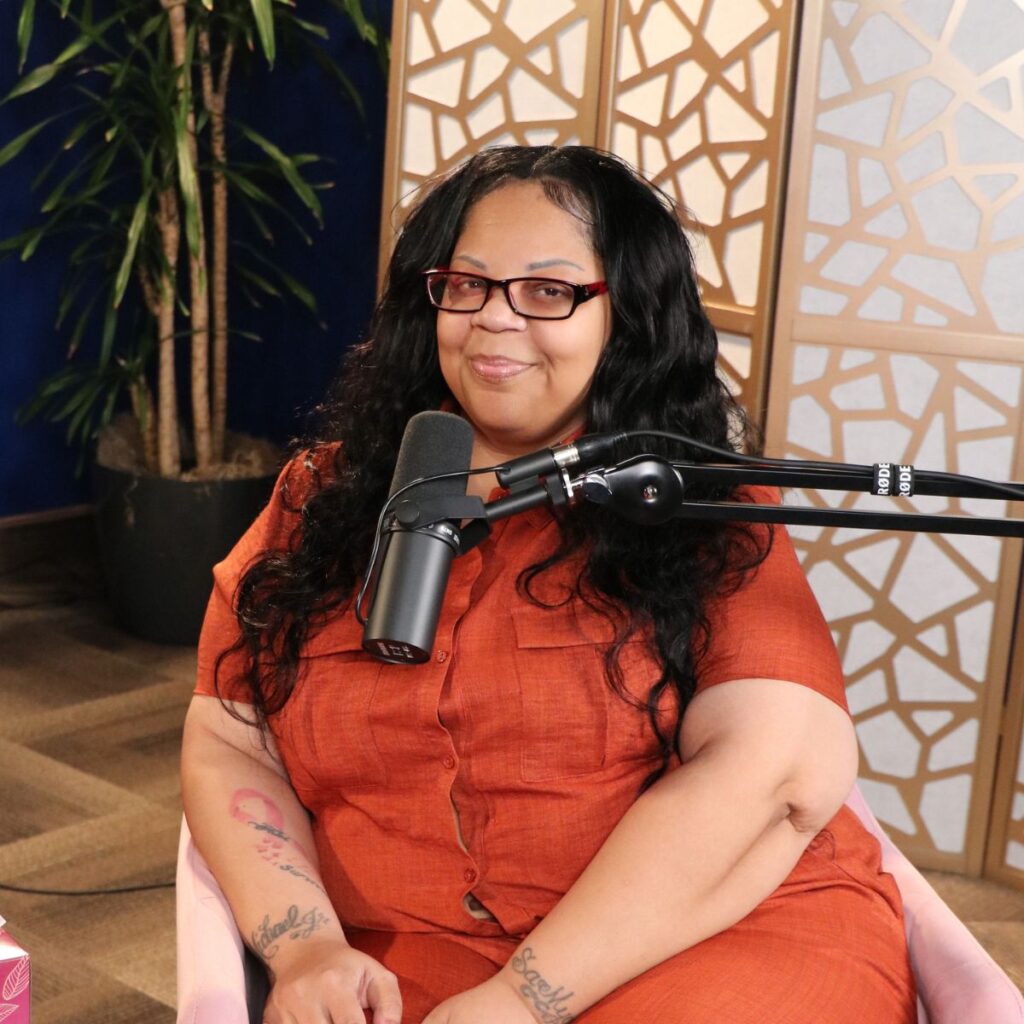
Safiya felt a lump at 36, had no insurance, and almost didn’t know where to turn. Thankfully, a referral brought her to The Rose, where our patient navigation team helped her qualify for breast cancer treatment and got her first appointment at MD Anderson scheduled in just 15 days. Through all of it, our navigators walked alongside her, and her faith, anchored by a prayer her father read her the day she was diagnosed, carried her the rest of the way.
Community Theater, Breast Cancer, and the Louise McBee Circle of Wreaths
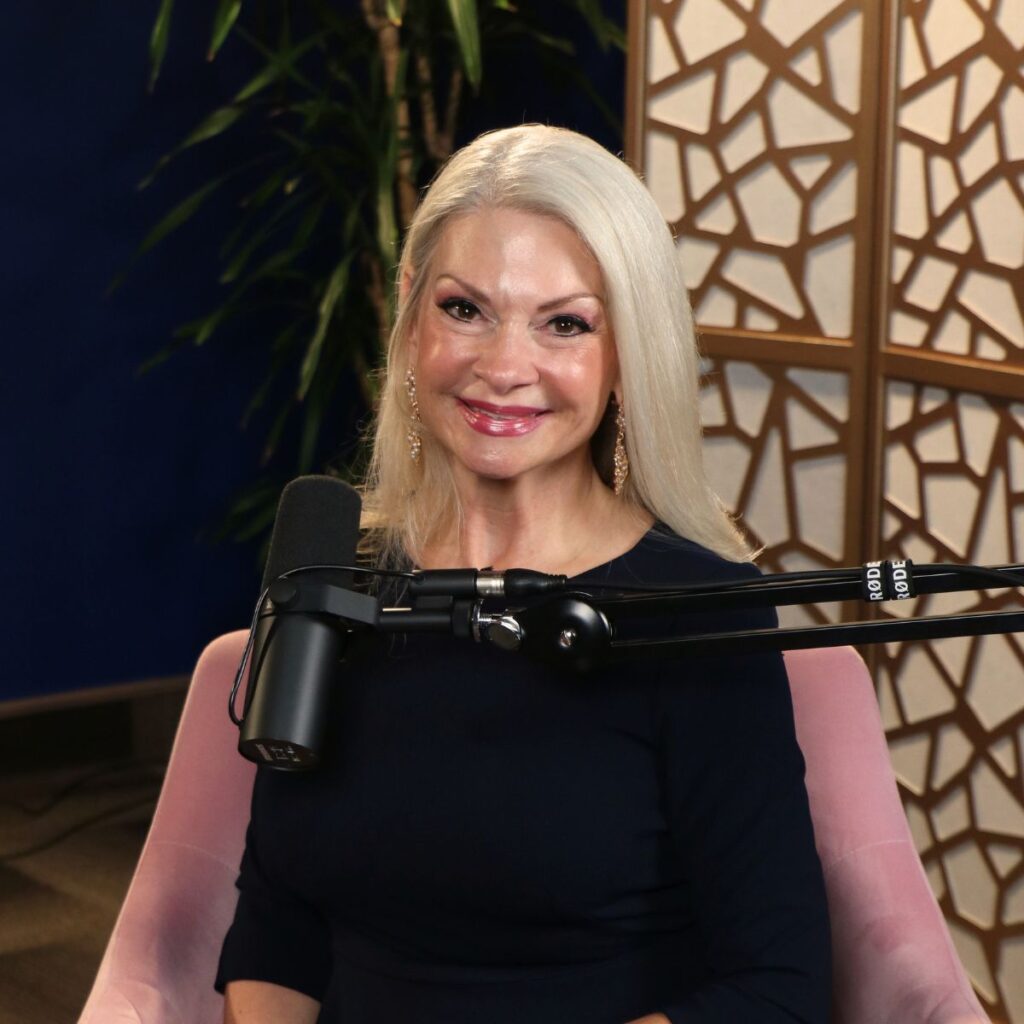
Susan has been connected to The Rose since the mid-1980s, when her boss at Texas Commerce Bank handed her a stack of newspaper articles and asked her to learn everything she could about a surgeon named Dr. Dixie Melillo. That assignment turned into a decades-long relationship with The Rose, years of emceeing fundraising style shows, and an unbroken commitment to the mission that continues today. She launched the Louise McBee Circle of Life Circle of Wreaths, an annual wreath auction run entirely by Art Park Players volunteers in honor of her mother. Her message throughout the years is simple, yet profound: everyone carries a light, and even the smallest flame can be the brightest thing in someone’s darkest moment.
Breaking Cultural Taboos: A Breast Cancer Survivor’s Story in the South Asian Community

How do you talk about breast cancer when it’s something your community rarely discusses, sometimes because of culture, sometimes because of faith, and sometimes just because it’s hard?
Navigating Side Effects, Fear of Recurrence, and Life After Treatment
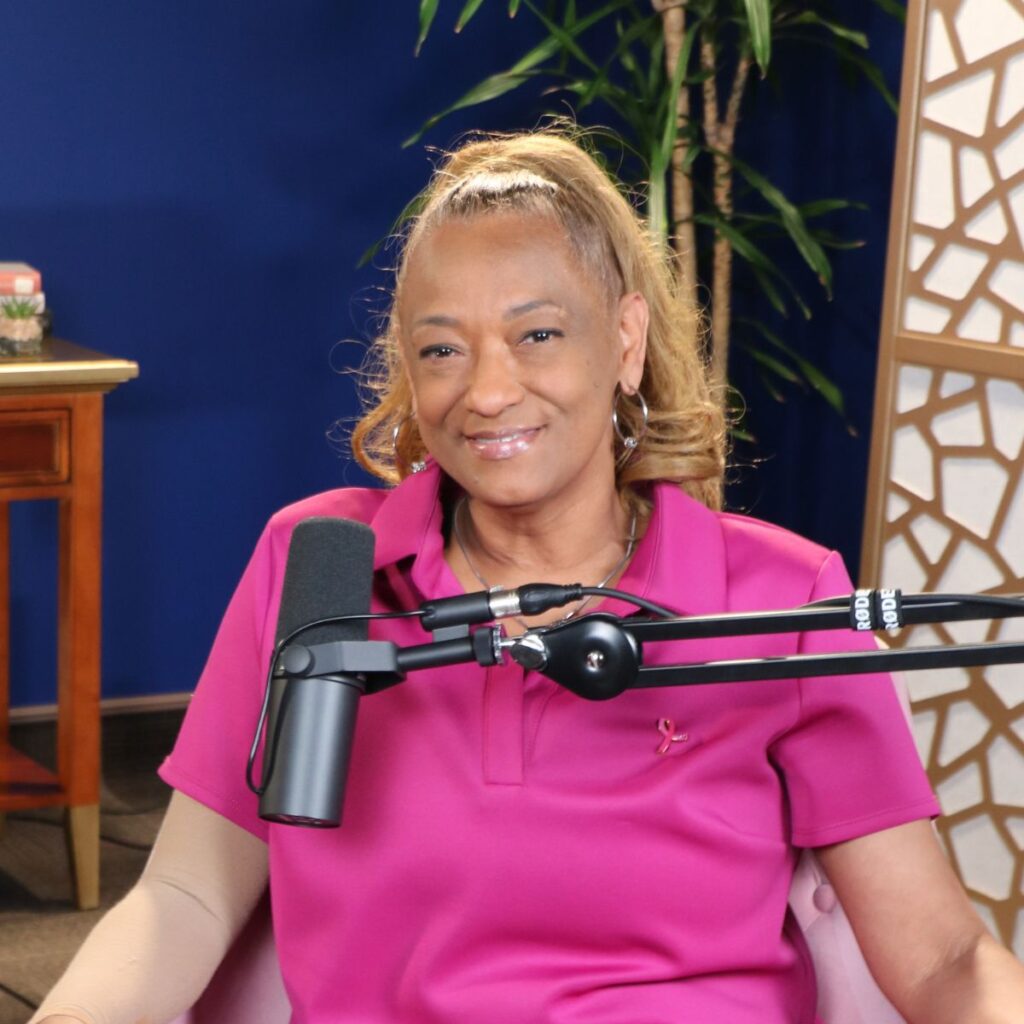
A casual night watching sports, a quick self-exam, and a lump that did not belong there. Faced with no insurance and four months of not knowing what to do, Felicia Kent walked into a neighborhood clinic, received a referral to The Rose, and heard the three words that changed everything: you have cancer. In this episode, she talks about choosing a treatment center, using research and strict adherence to medication to blunt chemo side effects, and learning to live with radiation fatigue, lymphedema, neuropathy, and a body that will never be the same. She also shares how faith, a determined daughter, an emotional support dog, and a calling to serve other survivors led her to start a nonprofit, finish her psychology degree, and focus on practical support and early mammograms in the African American community.
On the Road for Early Detection
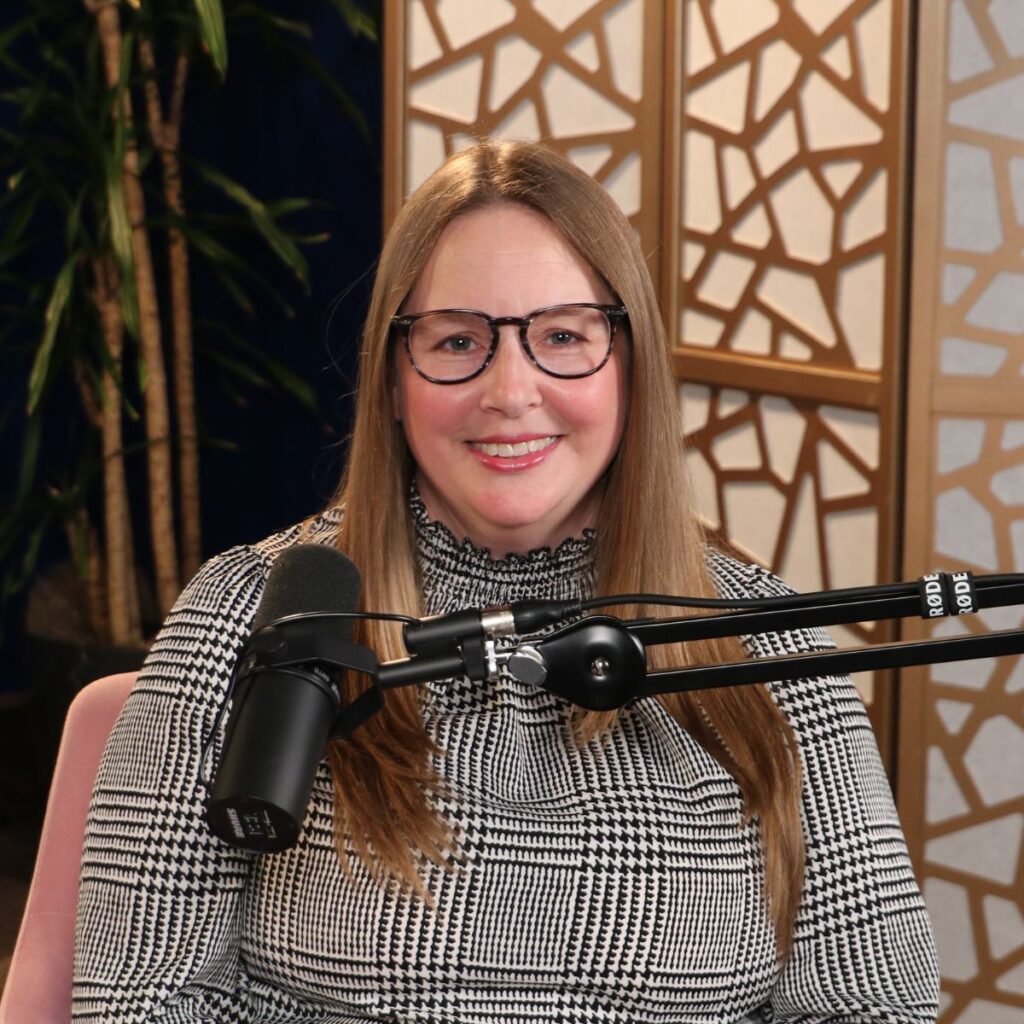
Some women clear their calendar for a mammogram. Others step onto a 40-foot pink coach in their office parking lot. As Director of Mobile Services at The Rose, Shelly Kot oversees a pink fleet of five mobile mammography coaches that deliver the same 3D breast cancer screening you’d get in a breast health center, to women across 45 Southeast Texas counties. During this conversation, she talks about the moving parts that keep those rolling clinics on the road, the disappointment when a failed generator or quality check shuts a mobile day down, and why she still puts on a badge and does mammograms herself. She also shares how being raised by her grandparents, working inside both nonprofit and for-profit systems, and parenting a daughter shapes the way she teaches women to push for answers when something feels wrong.
Access to Treatment Takes More Than a Pathology Report
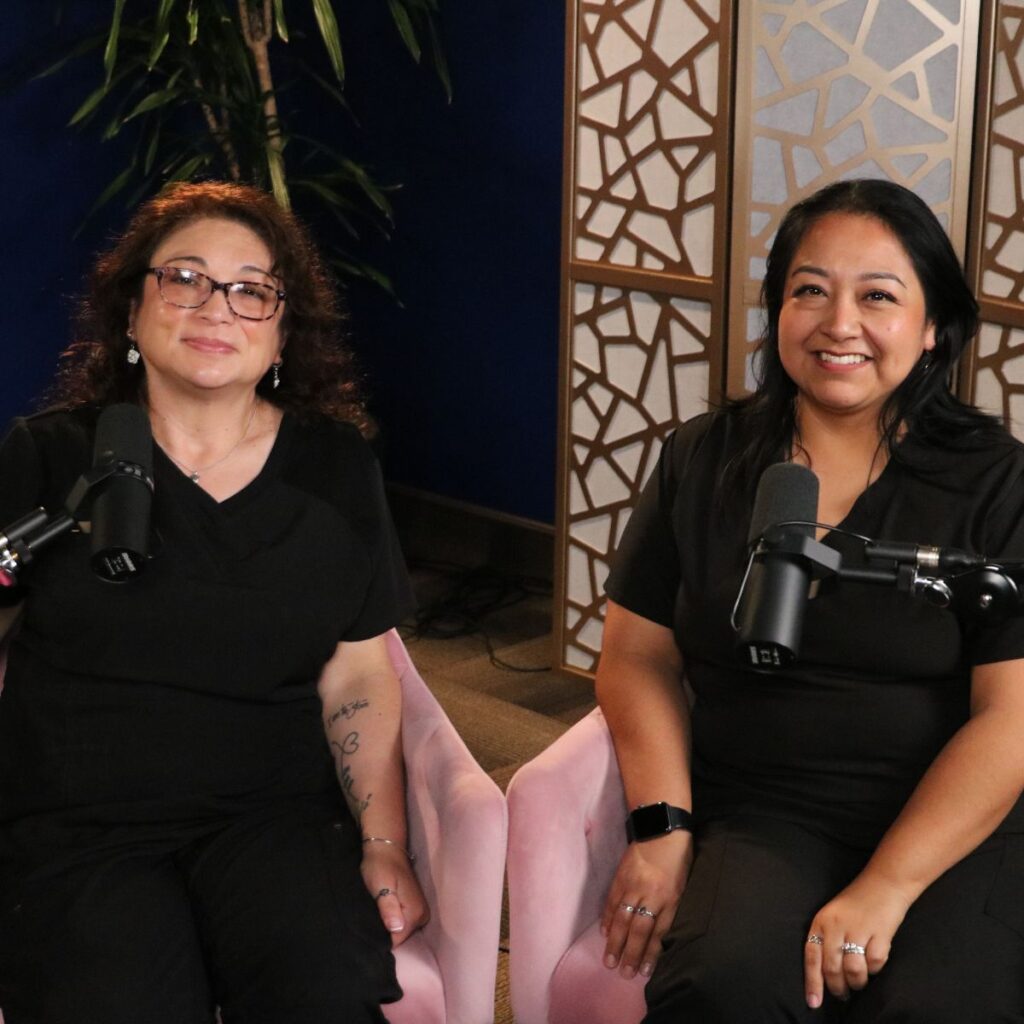
Being uninsured, speaking a different language, or not understanding a 40-page form should never decide who lives or dies. In this episode, patient navigators Laura Tovar and Elizabeth Esparza walk us through what really happens after an uninsured woman hears “you have breast cancer” at The Rose. They explain how they review applications before diagnosis, sit in the room with the radiologist, and answer the first question they always hear: “How am I going to pay for this?” They also talk about the maze behind programs like Medicaid for Breast and Cervical Cancer and Harris Health, what it takes to keep coverage from lapsing in the middle of chemo, and the extreme steps some families take, from moving counties to divorcing, just to qualify. Along the way, Laura and Elizabeth share what it costs them emotionally to carry these stories, why they sometimes cry with husbands and children, and how quilts, gas cards, summer camps, and rent assistance become part of making sure no woman has to face breast cancer or the paperwork alone.
A Women’s Bakery, Orphaned Elephants, and Rural Breast Care: Giving With a Bigger Picture

Nonprofit leaders dream of someone walking in and saying, “I’m going to give you a million dollars.” Very few ever see it happen. In this episode, a longtime supporter explains why she chose to fund multiple mobile coaches, help open an East Texas hub, and seed The Rose’s Mammogram to Medical Home program instead of paying for brick and mortar. She talks about dividing her mother’s unrestricted giving fund among education, medical care, and conservation, and why she looks for small organizations whose work sends “tentacles” into whole communities and generations. From a women’s bakery in Africa that feeds thousands of children and sends girls to school, to knowledge mobiles, orphaned elephants, and seed grants for students, she returns over and over to one idea: food and health give people a chance at any future.