
How She Became Her Own Best Advocate
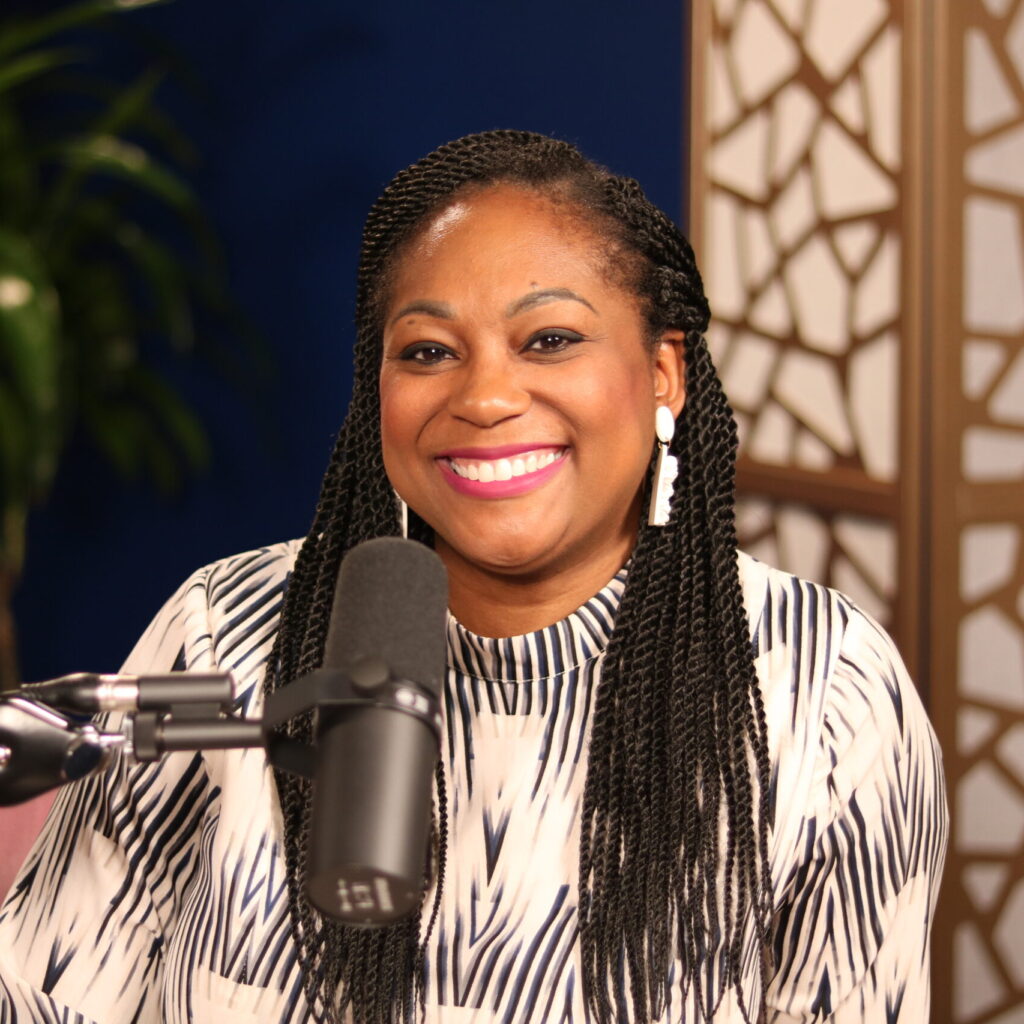
In this inspiring episode, Chantel Williams takes us on a remarkable journey, sharing her background as a military brat and her transition from logistics to finance. She candidly discusses how she and her husband took the leap and purchased the AFP Group, embarking on a new chapter as financial advisors
Diagnosed at 34: Amber Gonzalez’s Triple Negative Breast Cancer Journey

Amber Gonzalez shares how a pea sized lump led to a triple negative breast cancer diagnosis, aggressive chemo, surgery, and hard decisions about what to tell her children. From cold caps and hats to long days at Texas Oncology with her mother at her side, Amber shows what early action, self exams, and strong support can mean for young women facing breast cancer.
From Survivor to Board Chair: Maria Boyce’s Fight for Breast Health Equity

Former 36-year trial attorney, breast cancer survivor, and a passionate advocate fighting for healthcare equity. Maria Boyce steps into her new role as Board Chair of The Rose, channeling her own life-saving early diagnosis into a mission to ensure quality breast healthcare is a right for all women, not a privilege. From navigating structural barriers across 45 Texas counties and supporting women through patient advocacy to making a legacy gift for future generations, Maria discusses how early detection, dedicated advocacy, and community support save lives. If this conversation has inspired you to join the fight against breast cancer, share this episode with family and friends and consider making a donation at therose.org so another woman gets the care she needs.
Dense Breasts, Stage One Cancer, and Choosing Aggressive Surgery
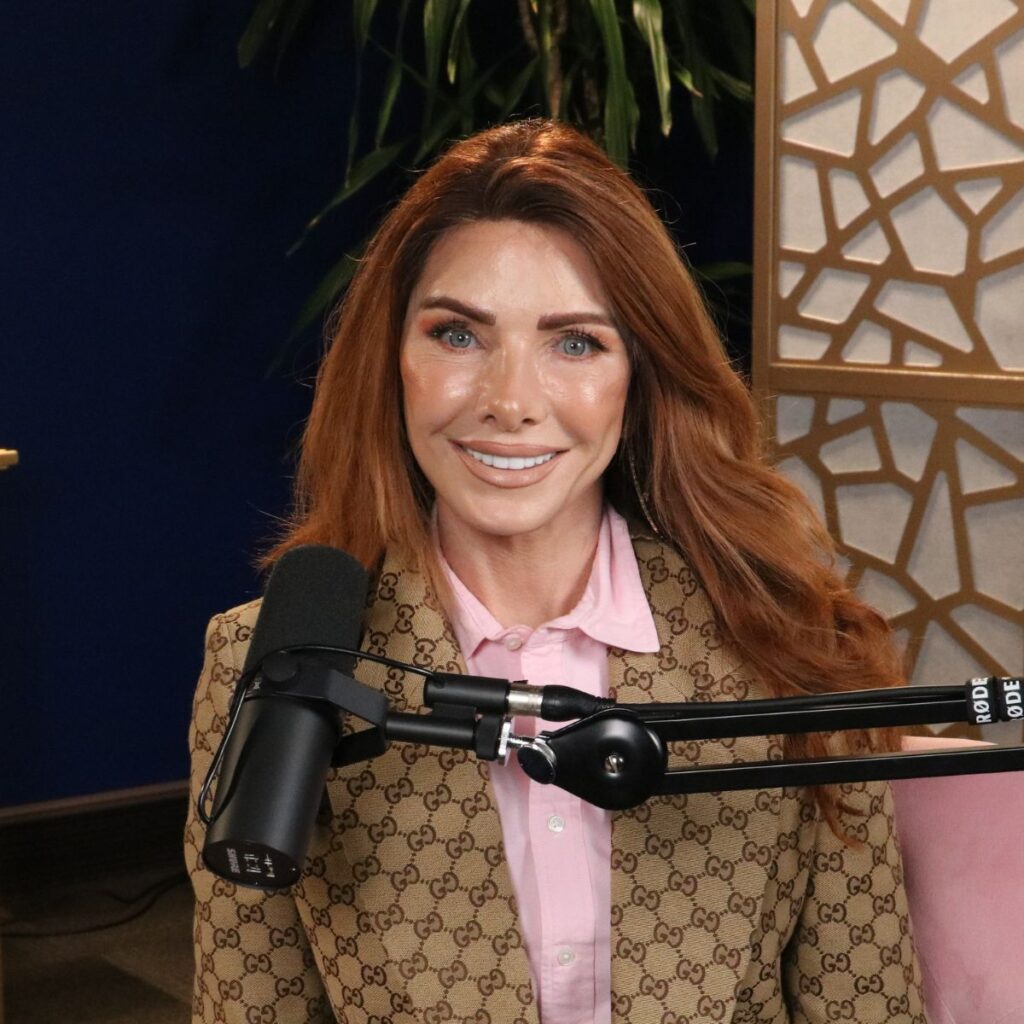
Stage one, double mastectomy, and a woman who refuses to keep breast cancer quiet. Marla Hurley is a Houston business owner, fashion show producer, and mother of three who found a lump high on her chest, pushed for answers, and chose an aggressive surgical path that let her skip chemo and radiation.
Interview with Emilee Whitehurst (Part 2): Re-Grounding Your Life After Overwork and Exhaustion
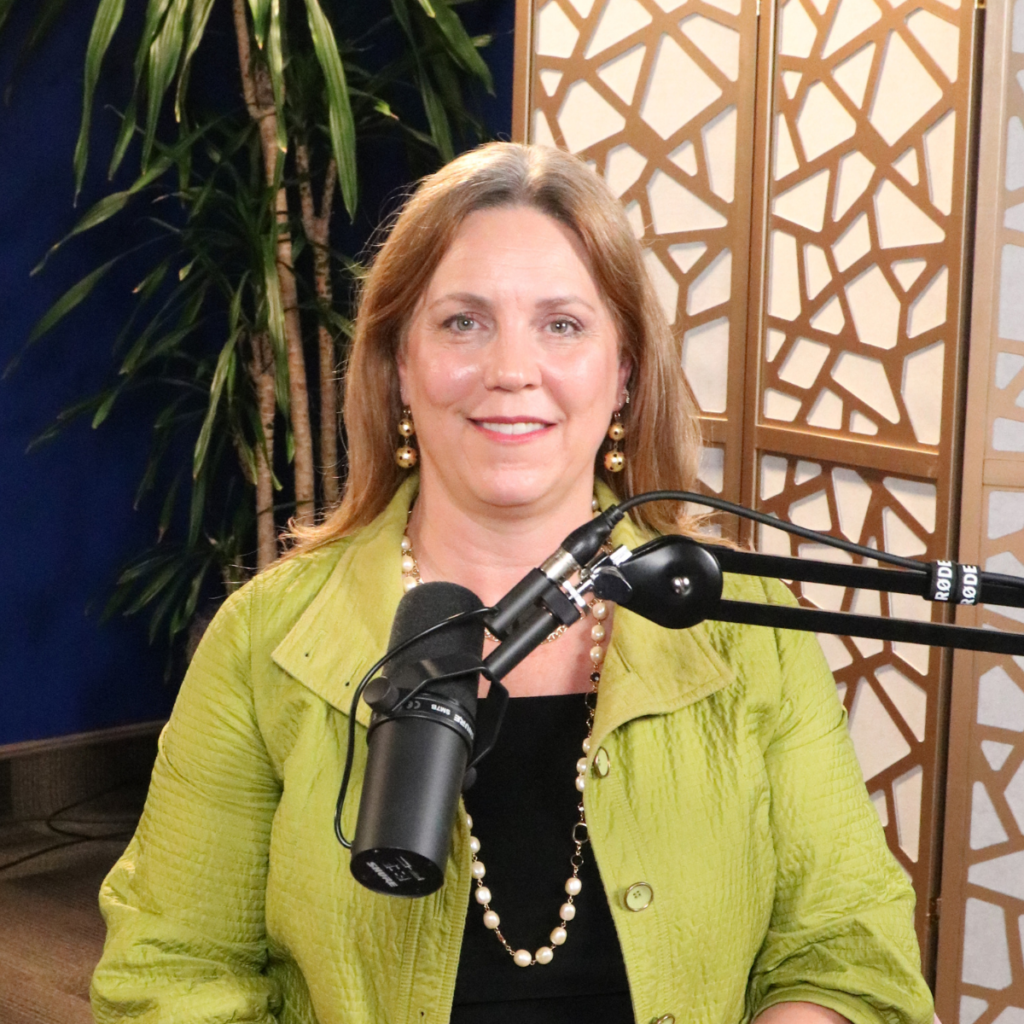
Emilee Whitehurst returns for another conversation about taking a personal sabbatical from nonstop work, listening to her body again, and building simple practices that support her health, her purpose, and her ability to show up for others. Her story gives anyone in caregiving, nonprofit work, or healthcare permission to pause, heal, and return stronger.
The Rose at 39: Dorothy and Dixie Discuss Barriers, Hope, and Healing
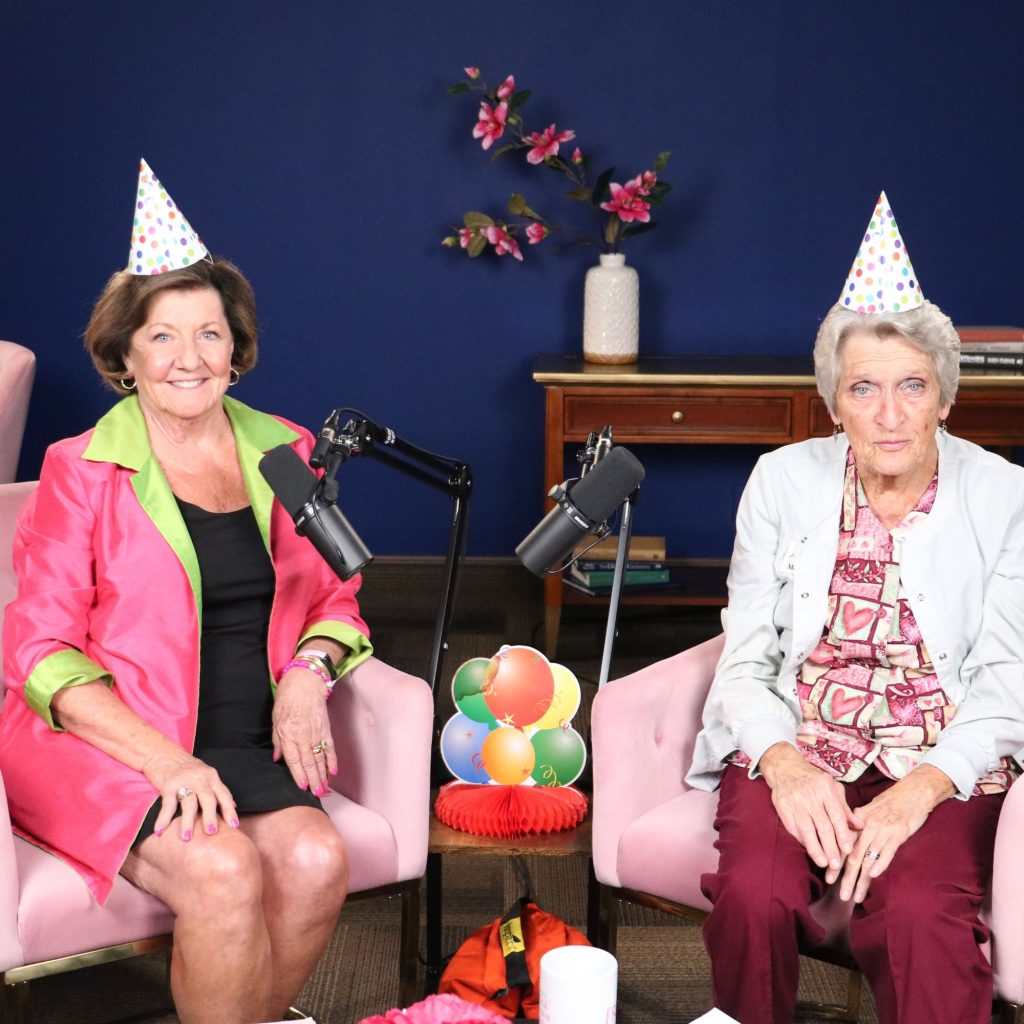
The Rose turns 39! Join founders Dorothy Gibbons and Dr. Dixie Melillo as they share stories of hope, dignity, and care for every woman, especially those told there’s no way forward. This special episode honors their legacy, tackles barriers for the uninsured, and reveals why The Rose means a better life for thousands.
Behind the Camera: Breast Cancer Stories That Change Lives
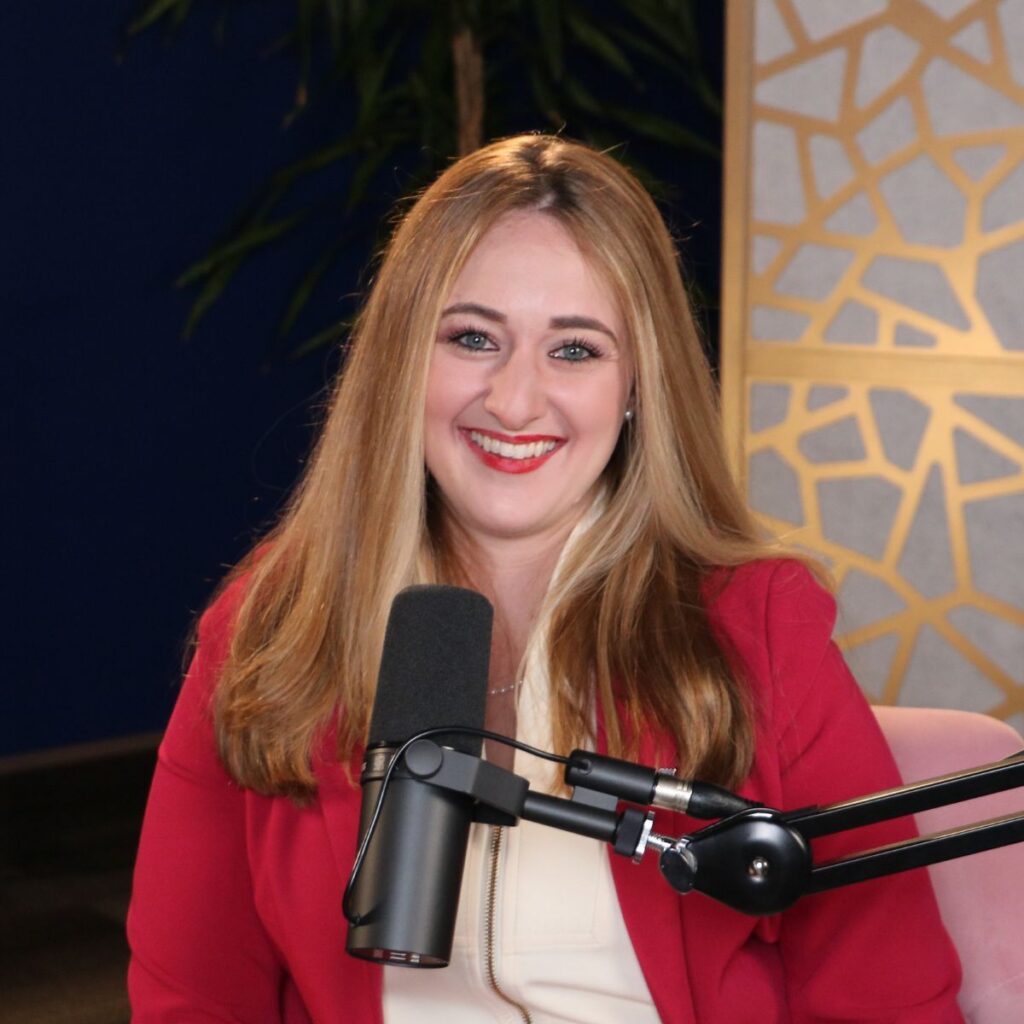
Caitlyn McCraw walked into The Rose as a marketing intern and walked out with a deep understanding of patient stories, breast health, and what it means to know your own body. From cold calling women about their mammograms to learning her own breast tissue and normal baselines, Caitlyn shows how small projects and self advocacy create lasting impact for uninsured women and for The Rose’s mission.
Dense Breast Tissue, Ultrasound, and Early Detection
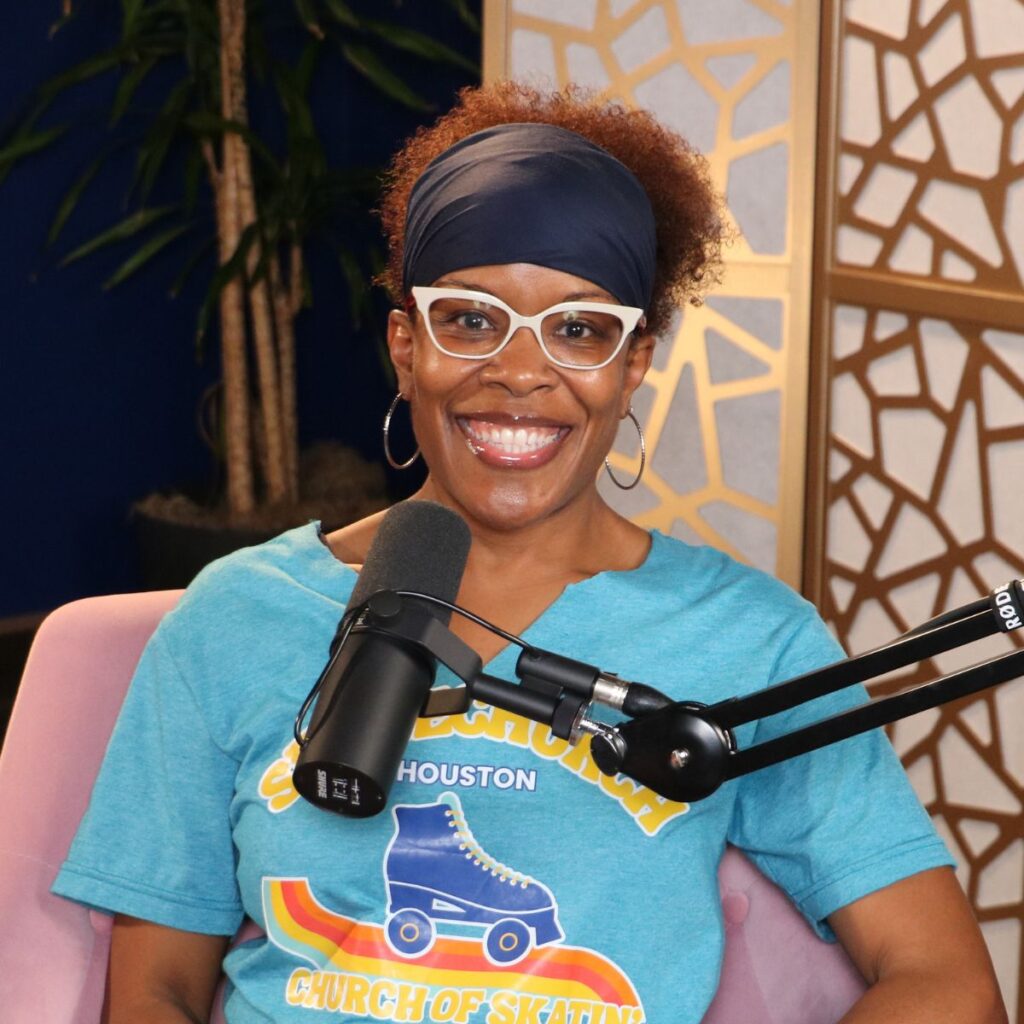
Lynn Dozier shares how a free mammogram at Texas Southern led to follow up care at The Rose, ongoing monitoring of calcifications, and a new level of ownership over her breast health. Along the way, she talks about Skate Church, community, and staying mentally strong while friends faced breast cancer.
When Corporate Care Meets Community Flair: Celanese’s Touch
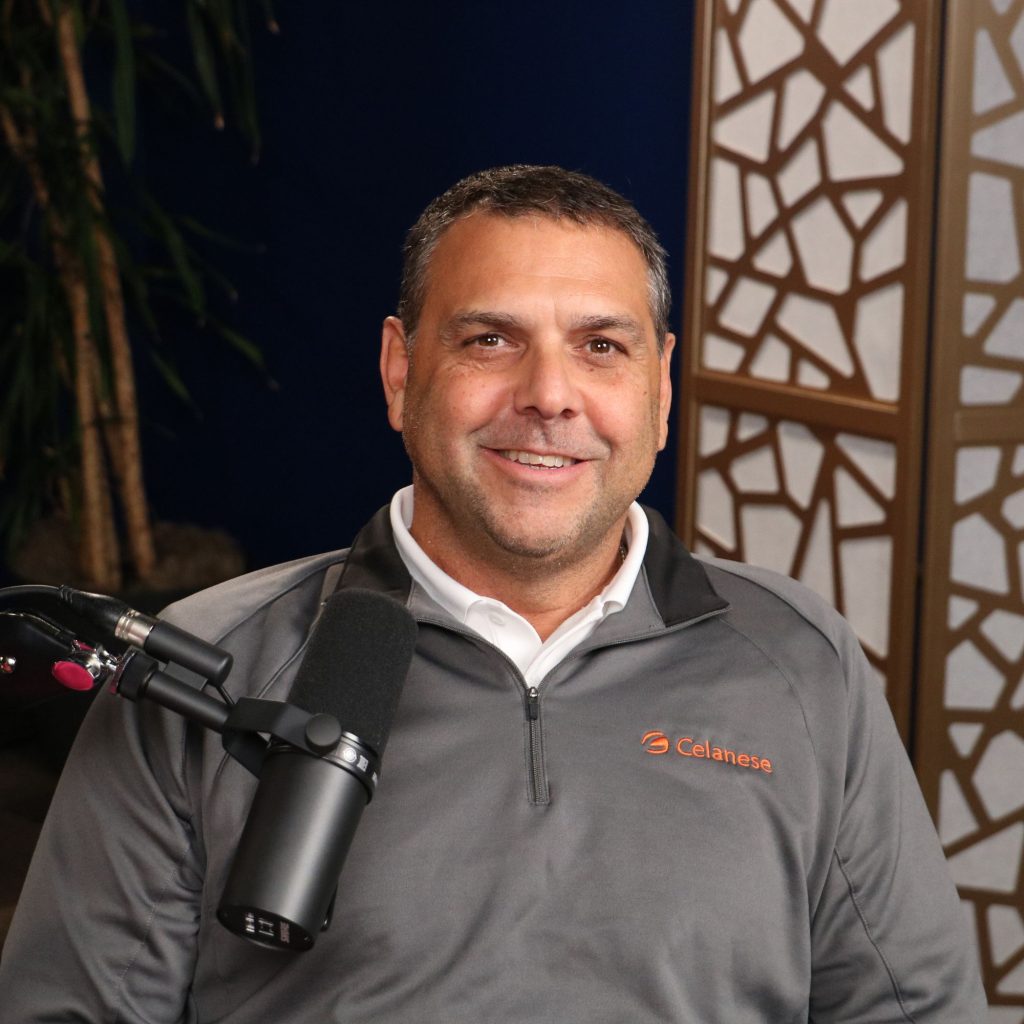
Michael Bland, Capital Project Stewardship Leader at Celanese, illustrates how their proactive approach led them to The Rose, supporting its mission through donations and involvement. From providing much-needed chemo kits to actively participating in community events, Celanese has become a partner rather than just a donor. Their employees, driven by values and empowered by the organization, strive to make a profound impact in the community.
Interview with Emilee Whitehurst (Part 1): When Enough Is Enough: Emilee Whitehurst on Burnout and Beginning Again
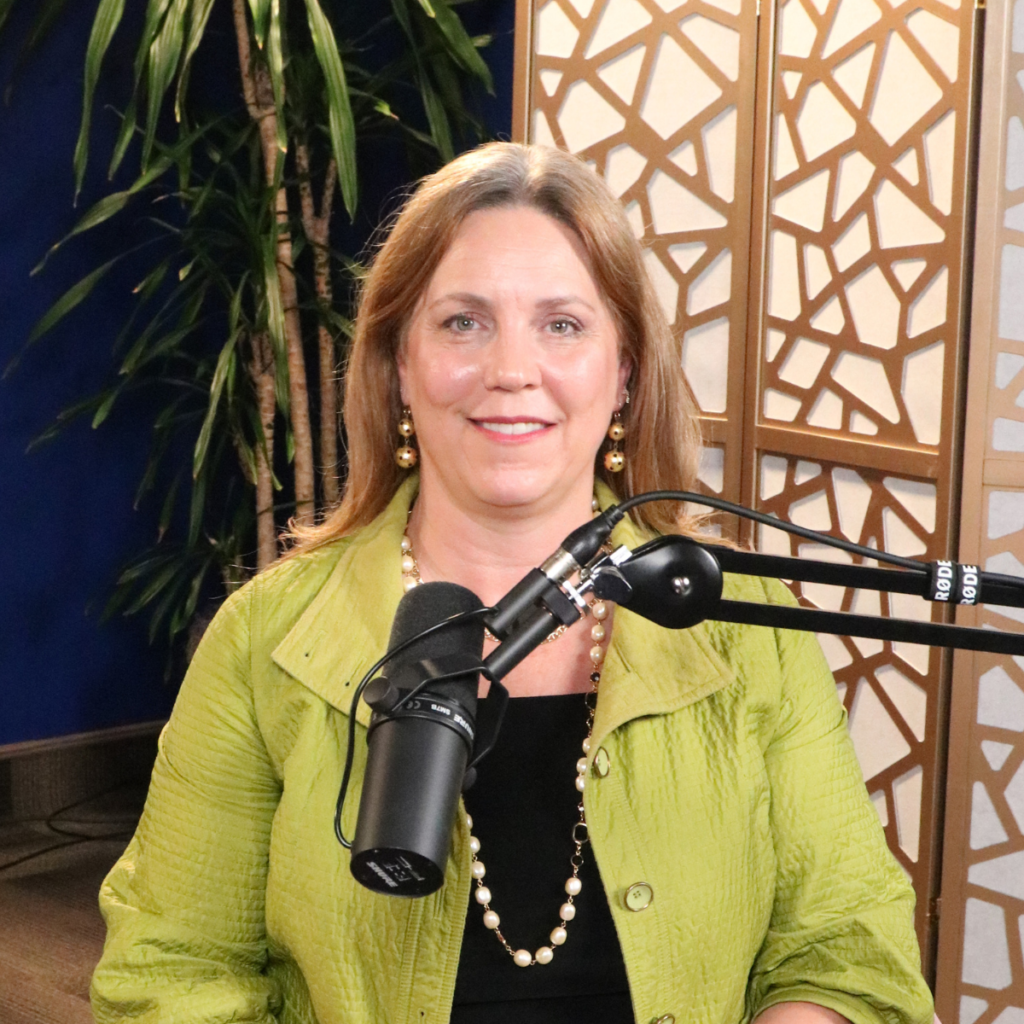
In this first conversation, Emilee Whitehurst traces her path from human biology and divinity school into community organizing, parish ministry, and leadership at Interfaith Action of Central Texas, the Rothko Chapel, Planned Parenthood, and the Houston Area Women’s Center. She describes guiding shelters through COVID, running three facilities at once, and realizing that every minute of her life was organized around work. Emilee explains how a single thought — “I do not have to keep doing this” — triggered a powerful physical release, pushed her to live off retirement savings, and forced her to relearn what rest feels like, rethink her worth, and imagine a different way to lead and live.