
From Survivor to Board Chair: Maria Boyce’s Fight for Breast Health Equity

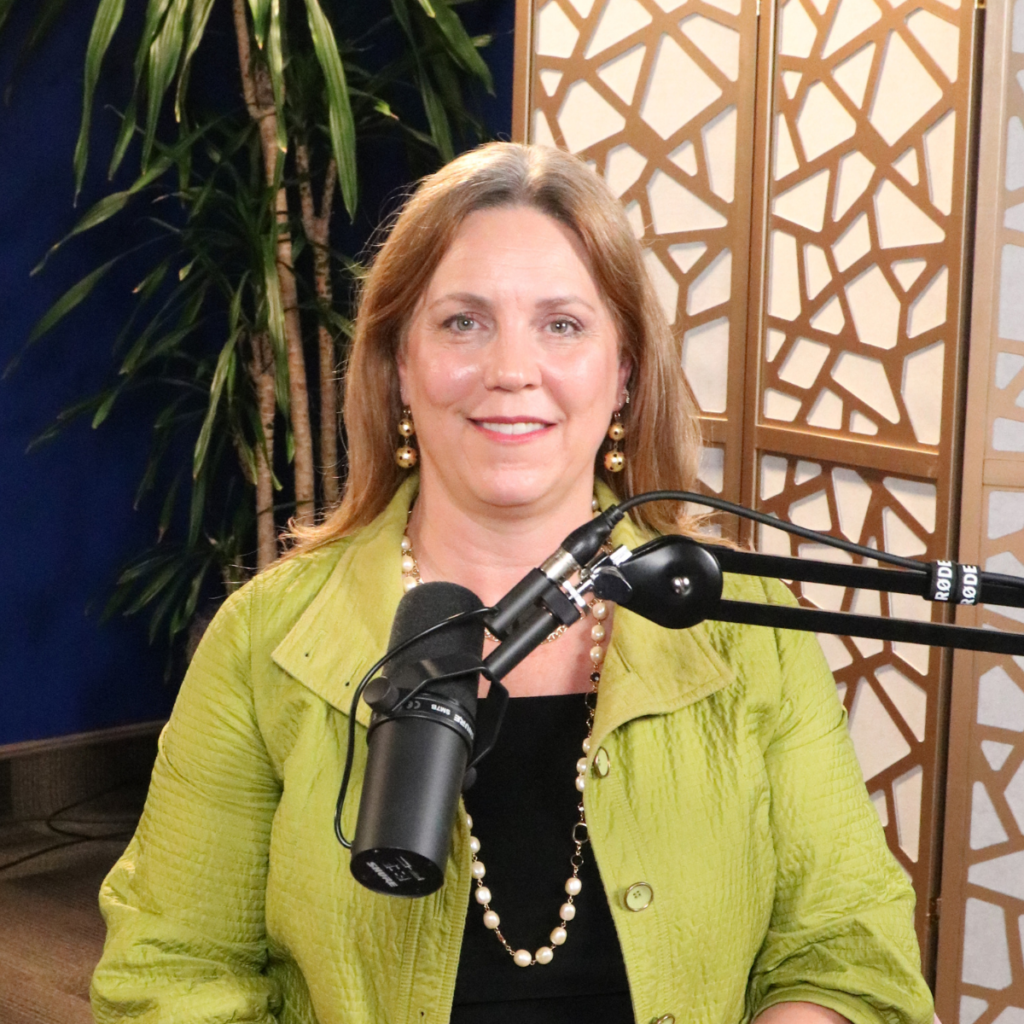
Former 36-year trial attorney, breast cancer survivor, and a passionate advocate fighting for healthcare equity. Maria Boyce steps into her new role as Board Chair of The Rose, channeling her own life-saving early diagnosis into a mission to ensure quality breast healthcare is a right for all women, not a privilege. From navigating structural barriers across 45 Texas counties and supporting women through patient advocacy to making a legacy gift for future generations, Maria discusses how early detection, dedicated advocacy, and community support save lives. If this conversation has inspired you to join the fight against breast cancer, share this episode with family and friends and consider making a donation at therose.org so another woman gets the care she needs.
Interview with Emilee Whitehurst (Part 2): Re-Grounding Your Life After Overwork and Exhaustion
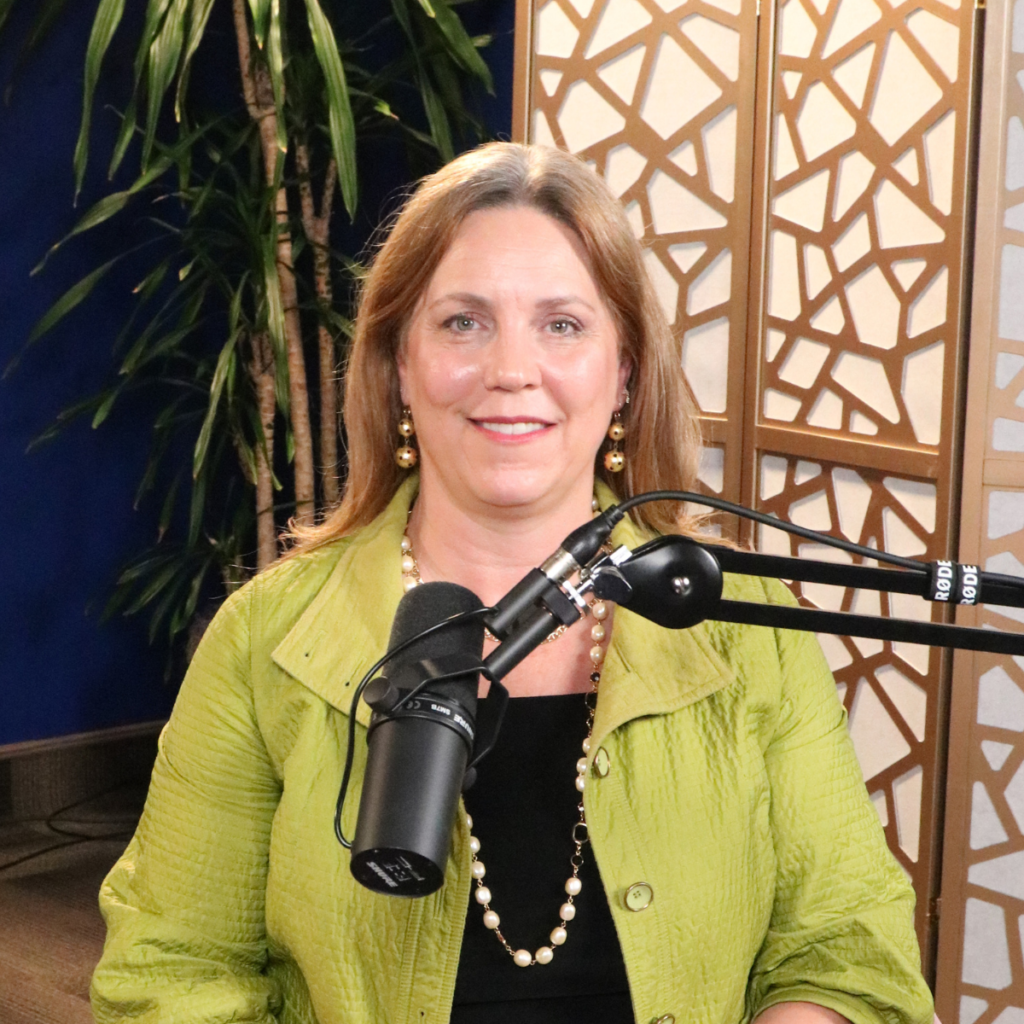
Emilee Whitehurst returns for another conversation about taking a personal sabbatical from nonstop work, listening to her body again, and building simple practices that support her health, her purpose, and her ability to show up for others. Her story gives anyone in caregiving, nonprofit work, or healthcare permission to pause, heal, and return stronger.
Interview with Emilee Whitehurst (Part 1): When Enough Is Enough: Emilee Whitehurst on Burnout and Beginning Again
In this first conversation, Emilee Whitehurst traces her path from human biology and divinity school into community organizing, parish ministry, and leadership at Interfaith Action of Central Texas, the Rothko Chapel, Planned Parenthood, and the Houston Area Women’s Center. She describes guiding shelters through COVID, running three facilities at once, and realizing that every minute of her life was organized around work. Emilee explains how a single thought — “I do not have to keep doing this” — triggered a powerful physical release, pushed her to live off retirement savings, and forced her to relearn what rest feels like, rethink her worth, and imagine a different way to lead and live.
More Than Mammograms: How Anna Turns Grants Into Lifesaving Care
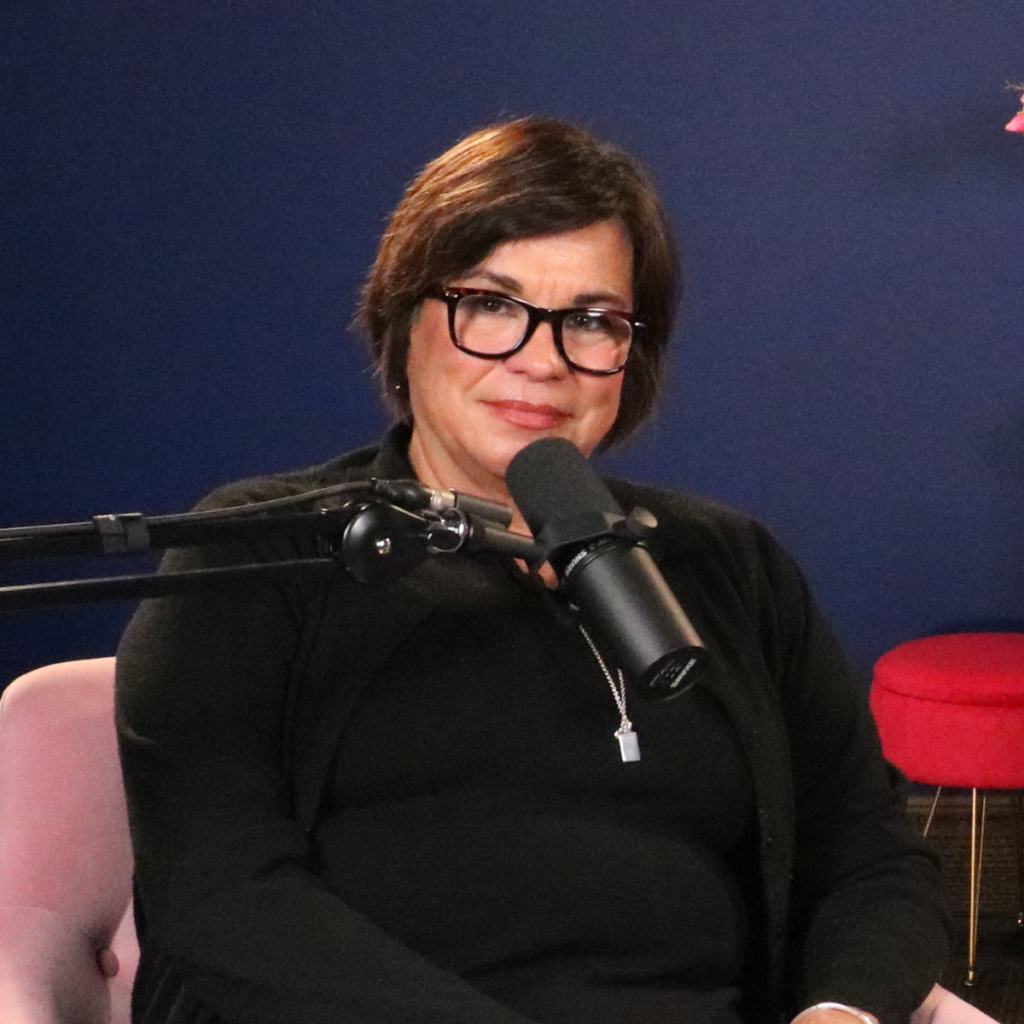
In this episode, Anna Caballero explains how she matches The Rose’s mission with state programs, foundations, and local donors, why rural counties and maintenance funds matter as much as screening dollars, and how her own mother’s late‑stage breast cancer diagnosis shaped her passion for access and self‑advocacy. She shares how today’s funders expect data, outcomes, and systems change, and why she still believes every mammogram sits inside a much bigger story of community health, navigation, and follow‑up.
Faith, Chemo, and T-Shirts: A Survivor Who Refuses to Whisper
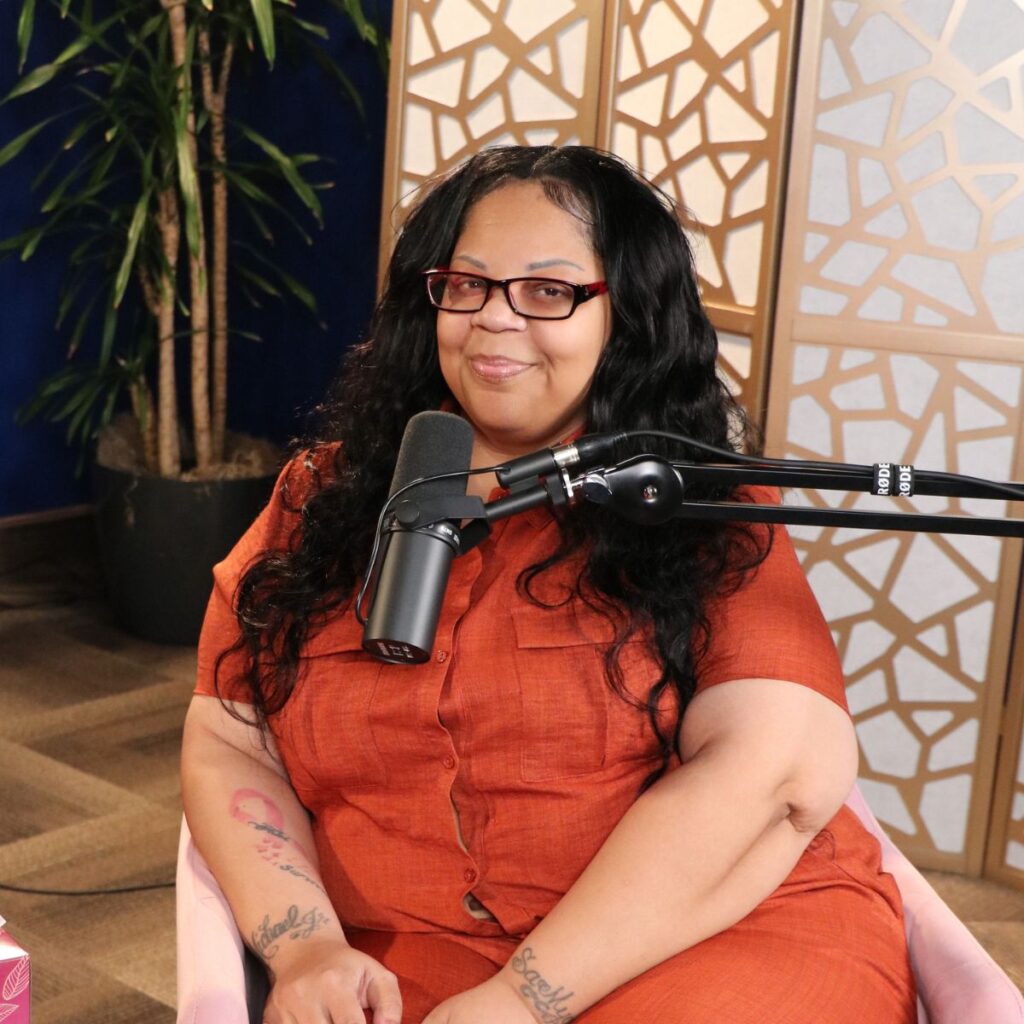
Safiya felt a lump at 36, had no insurance, and almost didn’t know where to turn. Thankfully, a referral brought her to The Rose, where our patient navigation team helped her qualify for breast cancer treatment and got her first appointment at MD Anderson scheduled in just 15 days. Through all of it, our navigators walked alongside her, and her faith, anchored by a prayer her father read her the day she was diagnosed, carried her the rest of the way.
On the Road for Early Detection
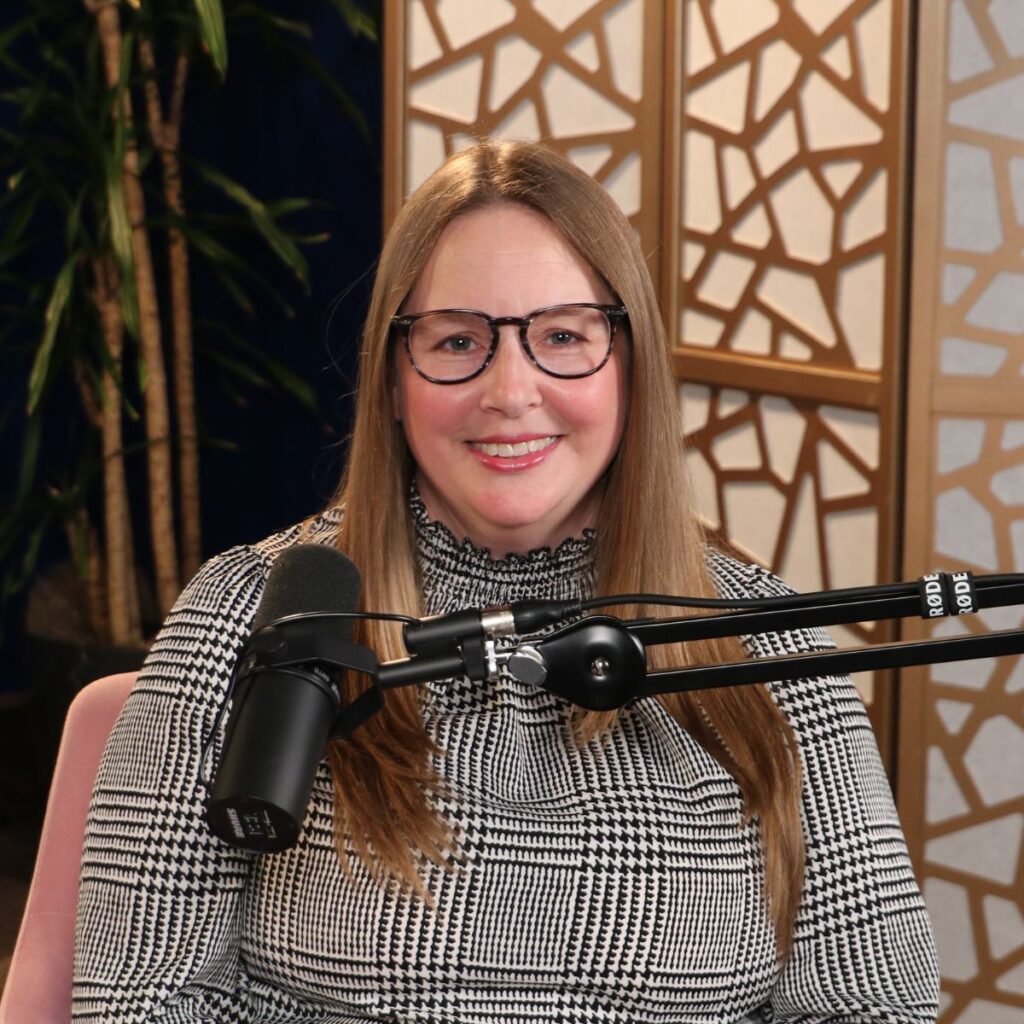
Some women clear their calendar for a mammogram. Others step onto a 40-foot pink coach in their office parking lot. As Director of Mobile Services at The Rose, Shelly Kot oversees a pink fleet of five mobile mammography coaches that deliver the same 3D breast cancer screening you’d get in a breast health center, to women across 45 Southeast Texas counties. During this conversation, she talks about the moving parts that keep those rolling clinics on the road, the disappointment when a failed generator or quality check shuts a mobile day down, and why she still puts on a badge and does mammograms herself. She also shares how being raised by her grandparents, working inside both nonprofit and for-profit systems, and parenting a daughter shapes the way she teaches women to push for answers when something feels wrong.
Access to Treatment Takes More Than a Pathology Report
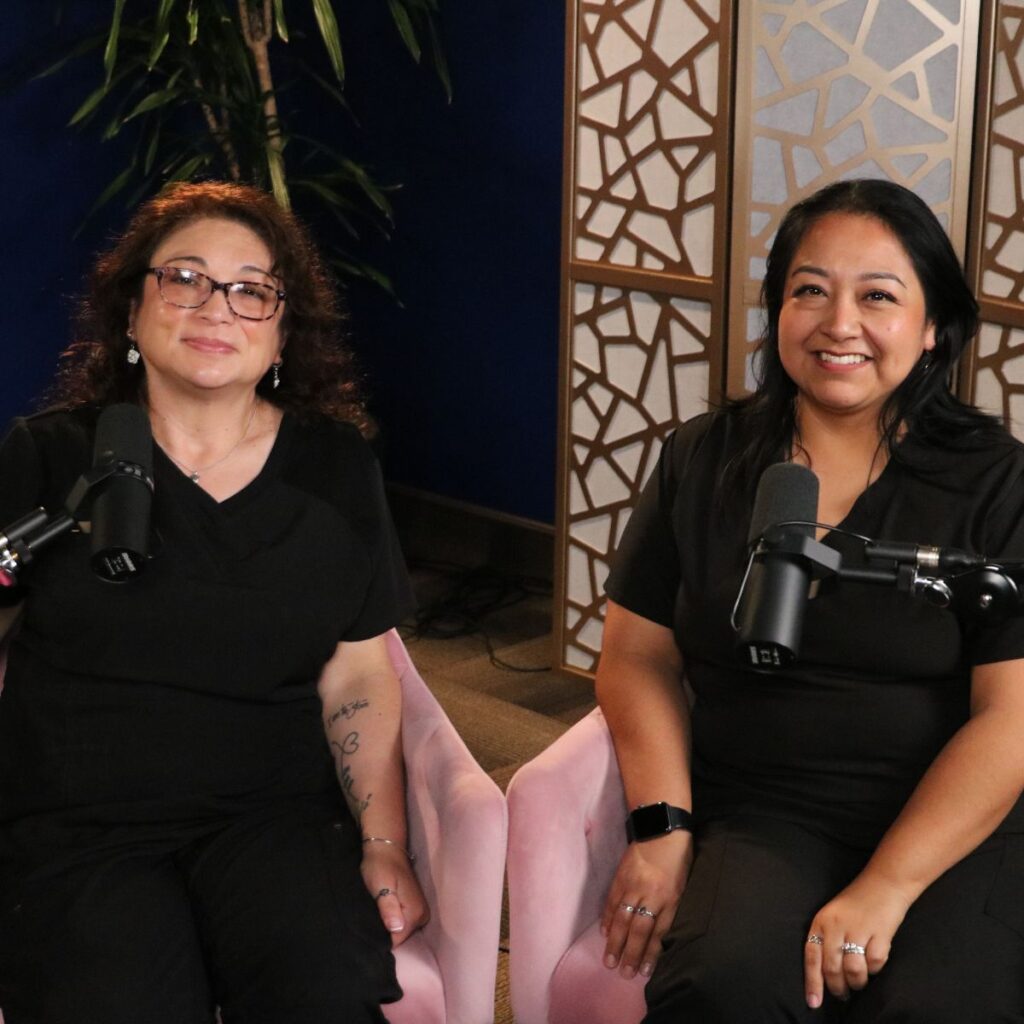
Being uninsured, speaking a different language, or not understanding a 40-page form should never decide who lives or dies. In this episode, patient navigators Laura Tovar and Elizabeth Esparza walk us through what really happens after an uninsured woman hears “you have breast cancer” at The Rose. They explain how they review applications before diagnosis, sit in the room with the radiologist, and answer the first question they always hear: “How am I going to pay for this?” They also talk about the maze behind programs like Medicaid for Breast and Cervical Cancer and Harris Health, what it takes to keep coverage from lapsing in the middle of chemo, and the extreme steps some families take, from moving counties to divorcing, just to qualify. Along the way, Laura and Elizabeth share what it costs them emotionally to carry these stories, why they sometimes cry with husbands and children, and how quilts, gas cards, summer camps, and rent assistance become part of making sure no woman has to face breast cancer or the paperwork alone.
Following Mom’s Lead by Paying it Forward to The Rose
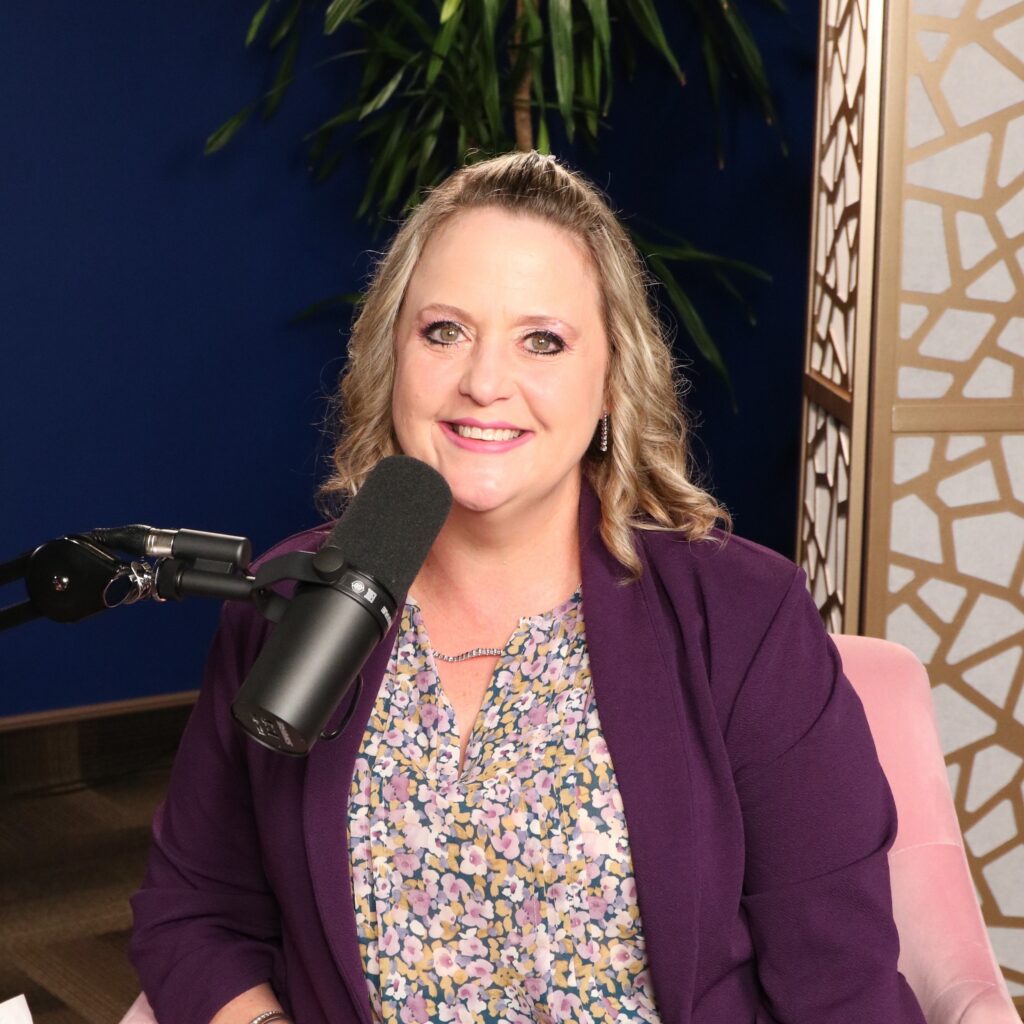
Jennifer Pareya’s support for The Rose spans more than twenty years. It all started with her mom’s breast cancer experience. Jennifer’s mom Judy—another ardent supporter of The Rose—was diagnosed. After beating breast cancer, she insisted on the family giving back. And they’ve done so tenfold.
Dance, Culture, and Commitment to Breast Cancer Awareness

During this mashup episode, you’ll hear from supporters of Hats and Henna High Tea, a community driven event that celebrates survivors, supports patients, and raises critical funds for The Rose. These are supporters, caregivers, and champions. They talk about mothers and mothers in law facing breast cancer, the sacrifices families make, and the resilience that shows up in hospital rooms, small businesses, and dance floors. Hats and Henna Hight Tea brings culture, art, and local leadership together to focus on The Rose’s mission.
How One Woman’s Breast Cancer Battle Led to the Self-Care Movement
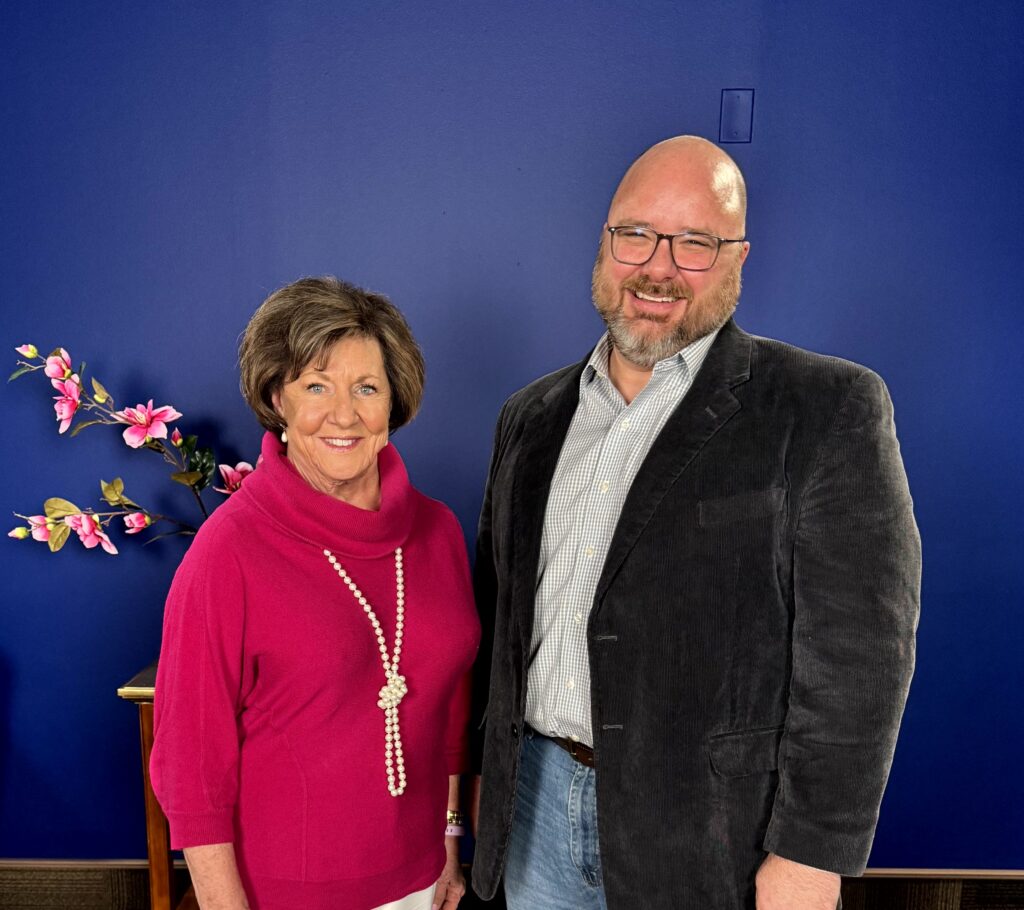
During this conversation, Dorothy and Dr. Fitzpatrick talk about the past four years and how they’ve impacted the breast cancer community. He’ll talk about the need for caregivers to embrace self-care and encourages breast cancer patients to engage in self-acceptance.