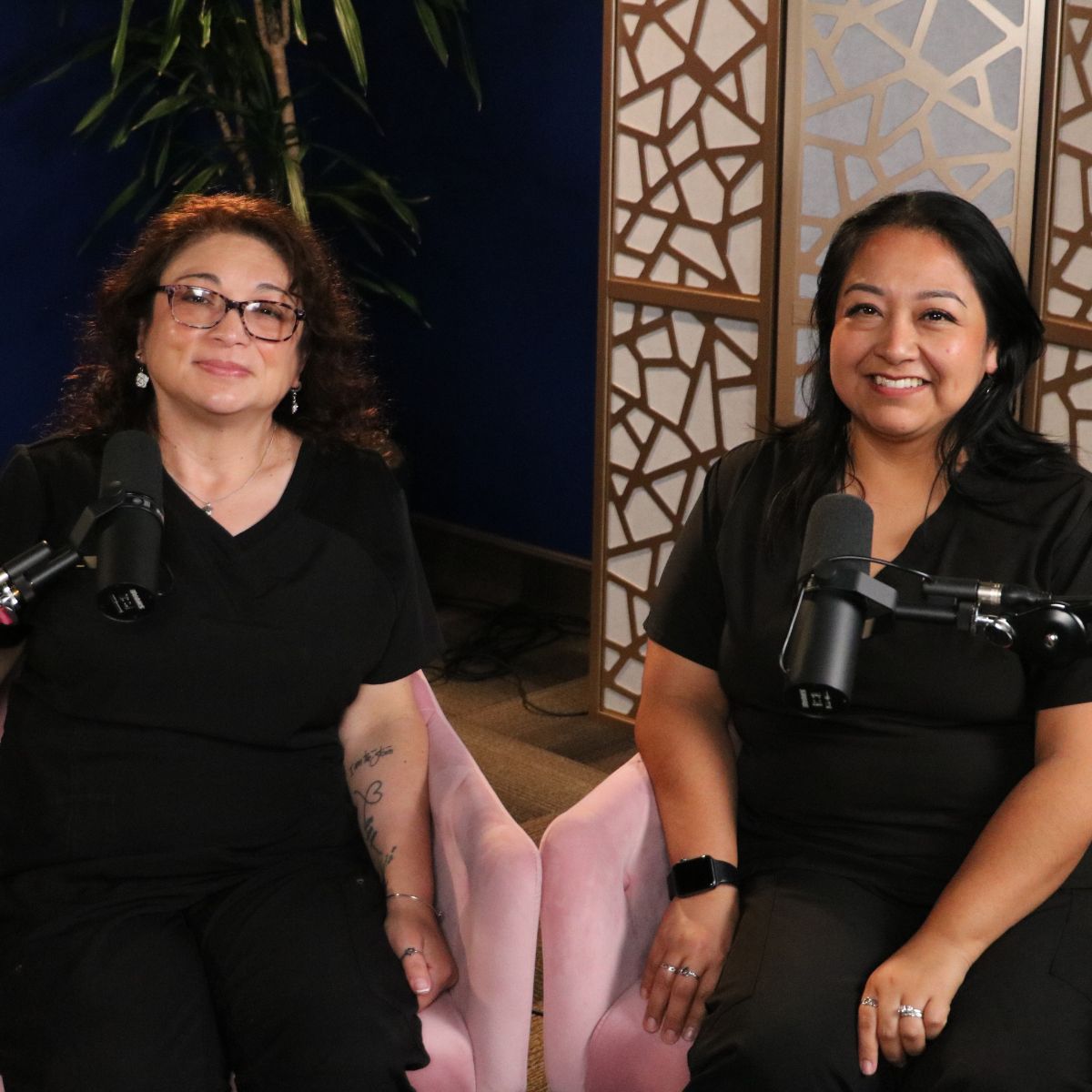
Dorothy: [00:00:00] Being uninsured, speaking a different language, the size of one’s bank account, but most of all not being able to complete paperwork. All of those factors in the real world can decide who lives or who dies. For years, patient navigators, Laura Tovar and Elizabeth Esparza have walked with uninsured women they have learned all of the horror stories of what happens when a woman doesn’t have insurance. When a woman doesn’t know how to complete applications, when a woman simply doesn’t understand the language. They have taken our diagnosed, uninsured women through a maze of income rules, citizenship questions, and thick Medicaid, Harris Health and other programs, application packets. It’s not easy being uninsured and being diagnosed. [00:01:00] First question our ladies ask is, how am I gonna pay for this? That’s where Elizabeth and Laura step in and say, we are gonna find a way through this. They become the lifeline. They make sure no woman has to face breast cancer alone. And most of all, they make sure that incomplete paperwork is not standing between that woman and life.
Let’s talk about your breast, a different kind of podcast presented to you by The rose, a breast center of excellence, and a Texas treasure. You’re gonna hear frank discussions about tough topics, and you’re gonna learn why knowing about your breast could save your life.
So we’re here today with our patient navigators to treatment, our two of us three, patient navigators to treatment. Elizabeth Esparza and Laura Tovar. So both of [00:02:00] these women have been with arose for a very long time. Laura, how long have you been with us?
Laura: I’ve been here 13 years.
Dorothy: Uh, always in this position?
Laura: No, I started off in scheduling and then moved up to sponsorship coordinator and then I came down seven years ago to patient navigation.
Dorothy: Patient navigation. Elizabeth?
Elizabeth: 24 years.
Dorothy: Woo. And not always in this role, but in what roles?
Elizabeth: Uh, business office and then sponsorship, and then patient navigation in 2012.
Dorothy: So sponsorship is where you’re doing the, the intake for women who are applying for help through our programs, right?
Elizabeth: Correct.
Dorothy: Yeah. I think a lot of people, because we call it sponsorship, you know, we don’t call it charity or we don’t call it many things that some of the hospitals call it. So I think I just wanna clarify what spon sponsorship means, and that’s a term we use because we don’t want that woman to feel [00:03:00] like she’s.
Laura: A charity case.
Elizabeth: Charity case.
Dorothy: A charity case, yeah. You know, our ladies are seldom, totally indigent. They almost all are working, but they simply don’t have insurance for a number of reasons.
Laura: Correct.
Dorothy: So when we say patient navigation to treatment, one of you explain what that means. Because we navigate patients all the time. We’re getting them into scheduling. We’re getting them into appointments. But your roles are very different.
Elizabeth: Our role is to help these uninsured women, uh, once they’ve been diagnosed with breast cancer, navigate them into treatment. So, and sometimes, you know, they are patients that have insurance. It’s just the insurance does not cover, you know, have a limited plan. But the majority of the ladies are uninsured.
Dorothy: Uninsured. This the time that they’re diagnosed, from the time they’re diagnosed, is that when you first know about ’em or do you know about ’em before that?
Elizabeth: We know about them before. [00:04:00]
Dorothy: Okay.
Elizabeth: Usually a day or two before. So we have that 24 hours to, you know, review their, their application from when they first came in for their, for their initial mammogram.
Dorothy: Okay.
Elizabeth: So we’re kind of already know what program we can help them, you know, apply for treatment.
Dorothy: So Laura, go through what happens on the day a woman de learns that she has breast cancer.
Laura: So usually what happens, um, the patient comes in and the doctor, the radiologist is there. The radiologist is the one that provides the results for the patient. Once the radiologist answers all the patient’s questions and he steps out, he or she steps out. Then they, the patient stays with us. We follow with the patient, we kind of explain a little bit more about the diagnosis and how we are gonna be able to help.
Dorothy: Okay. So who sets up that appointment? Do y’all?
Laura: We do.
Elizabeth: We do.
Dorothy: Okay. So you’re the [00:05:00] one calling the patient?
Laura: Yes.
Dorothy: Telling her that they need to come, she needs to come in. Do you, do you encourage her to bring someone with her?
Laura: Uh, sometimes we do. It just depends on the way that they answer.
Dorothy: Okay.
Laura: If we feel like. You know, ’cause sometimes you can tell when they’re nervous to come in. So we do let them know that they can bring somebody with them.
Dorothy: Let’s talk about the different programs that are available for our women’s. Elizabeth, you wanna talk about that a little bit?
Elizabeth: We have the Harris Health Program. You know, a lot of people know it as Gold card. Um, so that’s for, for women that are uninsured. That live in Harris County, there’s initials are NBCCS, Medicaid for breast and cervical Cancer. And those are the two programs that we have right now. It’s difficult right now for women that are, don’t qualify for either one of those programs.
Dorothy: Okay. Laura, explain what NBCCS is.
Laura: Uh, Medicaid [00:06:00] for breast and cervical cancer is a Medicaid specifically for breast cancer patients, and cervical cancer patients. Uh, we are able to assist the patients with breast cancer part. Um, what we do is, um, it’s a Medicaid program that’s available for patients who are between the ages of 18 to…
Elizabeth: 64.
Laura: 64.
Elizabeth: 64 and 11 months.
Laura: Yes. Um, then, uh, that program, we assist them. It’s through the state. So we bring them in. If they qualify for that, then we go ahead and help them apply at the moment of their appointment, um, when they’re told, because we wanna make sure that they are aware that even though they do have a diagnosis like this, that you know, we’re here to help and there’s hope on them getting their treatment.
Dorothy: Right. So what is the criteria for. The NBCCS?
Elizabeth: Well, [00:07:00] first is 200% of the poverty guideline, roughly for a family of two. It’s roughly like 3,600 gross.
Laura: I believe so, yeah.
Dorothy: Okay. Monthly.
Elizabeth: Monthly.
Dorothy: Okay.
Elizabeth: Monthly.
Dorothy: There’s a financial criteria.
Elizabeth: Yes.
Dorothy: They can’t, they have to make a certain amount or less.
Laura: Correct.
Dorothy: According to the federal guidelines. And then what’s another criteria?
Elizabeth: Uh, citizenship.
Dorothy: Okay.
Elizabeth: Uh, that’s, that plays a big role. US citizen or legal residence, you know, that it’s really, we have to break it down. You know, do they have, how long have, had they had the resident card, do they have enough working quarters? Are they married to where they can borrow their husband’s working quarters? It, it can get kind of tricky sometimes. Yeah.
Dorothy: That’s a term we are very familiar with. But what does a working quarter mean?
Elizabeth: Working quarter. So that’s, um, every three months that you work, you work with your social security number that’s reported to, uh, social security too.
Dorothy: Okay.
Elizabeth: And, uh, [00:08:00] every year if you work, for instance, if you work all year, you, you get four working quarters.
Dorothy: Okay?
Elizabeth: So basic, so basically it’s 10 working years.
Dorothy: That in order to have this.
Elizabeth: If you’re illegal resident, Yes. US citizen, they don’t.
Dorothy: Okay.
Laura: And you have to be a resident for five years.
Elizabeth: Five years.
Dorothy: Okay. Okay. So there’s lots of different criteria that happen.
Elizabeth: Yes.
Dorothy: With all this and this particular year, now these women already are diagnosed, there’s no question that they have breast cancer, right?
Elizabeth: Correct.
Dorothy: So when they’re sitting in the office with you, are there first questions about the cancer?
Elizabeth: No. First question is, how am I going to pay for this? How much is this gonna cost me?
Dorothy: Okay.
Laura: Is the program that is covering me here gonna cover my treatment?
Dorothy: Ah.
Laura: Do we, I’ll stay here. I can get treatment here. A lot of people think that we provide [00:09:00] treatment as well.
Elizabeth: The treatment.
Dorothy: Ah. But we don’t.
Laura: But we don’t.
Dorothy: No, we’re, we’re gonna get ’em to that definitive diagnosis, but that’s where we have to rely on others to do the treatment.
Laura: Correct.
Dorothy: So one of our sources, if they app, if they qualify for NBCCS, is, uh, is it Texas Oncology that we, that we use a lot?
Laura: Yes. Texas Oncology.
Dorothy: And then wherever that doctor practices is where that patient will go.
Laura: Yes.
Dorothy: Is that how it works? So, and I, and I’m, I know you do this, but is it based on like where the patient lives?
Laura: Yes. Usually whenever we are speaking to the patient, if they qualify for Medicaid, we let them know that we usually refer to Texas Oncology. Um, because they do accept these Medicaid plans. That is another part of the process. Um, they have to select an HMO plan. They have to make sure the [00:10:00] doctor accepts it. So instead of us letting them, you know, or referring them somewhere where. They may not accept it. We already know most of the time who takes it and who doesn’t. So what we do is we send them directly to who does take it. So they don’t have that issue with, you know, dealing with, they don’t accept my insurance. I need to be referred elsewhere. Because we also do that as well.
Dorothy: So mean, not everybody takes this.
Laura: No, no.
Dorothy: Not every doctor.
Laura: Not every facility, or.
Dorothy: Not every hospital.
Laura: Hospital, every, correct.
Dorothy: And it, because it’s an HMO program, what are there, two, three that the patient can choose from?
Laura: There’s, uh, three.
Elizabeth: Three.
Dorothy: So this is someone who doesn’t have insurance?
Laura: Correct.
Dorothy: How much education do you have to do to even explain what an HMO is?
Elizabeth: It it can get tricky.
Laura: [00:11:00] Yeah.
Elizabeth: They’ve never had insurance, so they don’t know how it works. They don’t, you know, am I still going to pay a question that we get often where I, you know, is when I’m done with the treatment, am I gonna have to pay this back?
Dorothy: Oh.
Elizabeth: They don’t realize, they don’t know that Medicaid is covering. So they’re under the impression that Medicaid is going to cover right now, but I still have to pay this back.
Dorothy: I had not heard that one before. So I think it’s important for our listeners to know that when we say not every hospital takes this, the hospitals that are most often associated with breast cancer or cancer period are probably the ones that are not taking it right now.
Elizabeth: They’re not taking it.
Dorothy: So we really have to rely on Texas Oncology to help us with that facility that will accept it.
Laura: Yes.
Dorothy: And there’s a lot of different processes that you have to go to get into Medicaid to begin with, and then doesn’t it have to be renewed? [00:12:00] Like often?
Elizabeth: Every 12 months.
Dorothy: Okay. What happens if the patient doesn’t remember? What happens if she moves? What happens if she doesn’t get the notice?
Elizabeth: That’s part of, of what we do is follow up with the patients.
Dorothy: Okay.
Elizabeth: One of the things we do is remind them, and we, when we do the education with the initial, uh, when they’re diagnosed or when we’re applying, is look out for this package roughly about 10 months into your treatment, into the coverage. If you do not receive it, call us and we’ll make sure you get that package. So there won’t be any lapse in coverage.
Laura: We do get calls where, you know, a patient forgets and you know, I had my mind on other things, I forgot. And, which is understandable. Um, the reason they call us is because the Medicaid is expired, so they’re in the middle of chemo. They’re not gonna see me because my insurance is no longer active. We need help. [00:13:00] So we contact Medicaid to get to see if it’s still okay for her to get a renewal. Do we have to start all over again? And then once they give us that information, we’ll proceed with the um, documents that they need so we can get that Medicaid active. Sometimes we get lucky enough to get it active within what, a few days?
Elizabeth: A few days. We have a direct contact.
Laura: Three days.
Dorothy: Okay, so you have a, you have a inside partner here?
Elizabeth: We do.
Dorothy: The treatment is stopped until that, the treatment.
Laura: Yeah.
Dorothy: That is renewed. And it could be two days, three days. It could be two weeks longer.
Laura: It just depends on what the issue is, why they stopped it.
Dorothy: Right. How upset are the patients when that, when that happens?
Laura: Oh, they’re very.
Dorothy: I mean, you’re having to really walk, talk ’em down, walk ’em through it. So when you’re doing the initial education and they’ve just found out they have breast cancer, how many times do you feel like they’re actually hearing what you’re saying?
Laura: [00:14:00] 75% of the time they’re not.
Elizabeth: They’re not.
Dorothy: Because they’ve just heard the words “breast cancer.”
Laura: Yeah.
Dorothy: Yeah. And then do you bring them back soon or. Do you talk to him soon? Or how does that work?
Laura: Well, usually, um, once we speak with the patient and we do the consultation, um, we’re, we’re there with them for an hour or more. Sometimes it’s run to two hours, depending on how many questions they have. Um, some of them are there and as soon as they hear it, they don’t, you know, I wanna leave. So what we do is we give them that time. But we’ll follow up. Or you know, I’ll call them the next day like, Hey, you know, I’m just following up with you to see if you have any questions. Do you need me to explain anything to your spouse to, you know, because we’ve had times where they don’t know how to explain it to their children.
Dorothy: Right.
Laura: So they have come in and scheduled an appointment to see if we can help explain it to [00:15:00] their children. Because they want them to know, but they don’t know how to tell them. So in case they have any questions and we’re there to answer.
Dorothy: So who’s harder to explain it to? The husband or the children?
Elizabeth: The husband.
Dorothy: What kind of responses do you get with that?
Elizabeth: They, they cry more than the patient.
Dorothy: Yeah. They, they’re up as, they’re as upset or more upset.
Elizabeth: Yes. More than a patient.
Dorothy: And this isn’t gonna be something they could fix.
Laura: No. And I think that’s what. That’s what bothers them the most. That, because I’ve had, had, um, husbands, you know, call me and ask me, you know, like, what can I do? What do I do? So a lot of times it’s because they can’t do anything. They, I don’t have the money. I, I, I work and work, but I can’t pay for, you know, so it’s not something that they can fix. [00:16:00] And I think that’s where, that’s what they’re used to. They’re there to fix.
Elizabeth: The rent of the house.
Laura: Yeah.
Elizabeth: This is something I can’t fix.
Laura: Yes. So that’s where they, you know, they worry and they don’t know what to do.
Dorothy: And that’s the majority of the spouses that you see, right?
Laura: Yes.
Dorothy: Yeah. I mean, we hear the off story of someone who’s upset for other reasons, but usually that spouse is very, very concerned about his wife.
Elizabeth: Yes.
Dorothy: Yeah. And, and with children, how do you handle that?
Elizabeth: Uh, depends on their, their age.
Dorothy: Okay.
Elizabeth: Their age, you know, if they’re small children, we don’t use the word cancer.
Dorothy: Okay.
Elizabeth: When they’re small children, um, we kind of, you know, mommy’s sick, they’re gonna give her some medicine. It’s really strong medicine, but. You know, she might lose her hair, but that’s okay because that means the medicine’s [00:17:00] working. You know, so it just depends on their age of how we explain it to them.
Dorothy: So what happens to you in you watching all this human drama?
Laura: It’s hard.
Elizabeth: It’s hard.
Dorothy: How do you handle it?
Elizabeth: We talk to each other.
Dorothy: But at the time.
Elizabeth: It’s hard to hold it in. It’s really hard to hold it in.
Dorothy: Have you ever broken down with a patient?
Elizabeth: Yeah. And when that’s happened, I feel like they’re looking at me like, how are you gonna help me? You’re crying with me.
Dorothy: Yeah. Yeah.
Laura: We try not to, but sometimes when we do, they, I think they understand like why we’re crying.
Dorothy: Well, I mean. You’re a human being here. Yeah. And it’s a sad [00:18:00] story.
Laura: Yeah.
Dorothy: If you weren’t crying, it would be something wrong with you. Especially when you know that there’s gonna be a few of these women every year. It seems like it’s more.
Laura: Yeah.
Dorothy: But some of them that will not make it, and some of them that we simply don’t have a way to help. Now that’s changed a lot this last year.
Elizabeth: Yes.
Dorothy: Yes. We’ve lost a, a partner in many ways. Uh, some new criteria. They have new policies that our patients don’t always meet, so we’re ending up with two or three women every month that we’re having to, that won’t meet the criteria, and we’re having to find other ways for ’em, or they are making decisions that allow them to get treatment. So y’all wanna talk about that a little bit?
Elizabeth: Um, yes. We, we do have two, three patients [00:19:00] a month. Um, again, like you said, they don’t qualify for, you know, they don’t meet the criteria for the other programs. Um, we’ve had families like literally just pick up their, you know, and move to Harris County. Um. You know.
Dorothy: And since we serve so many counties, they could be moving from.
Elizabeth: Jasper County to Harris County.
Dorothy: Right.
Elizabeth: You know?
Dorothy: Yeah.
Elizabeth: And this is not only, you know, let’s pick up and go, this is children. You know, you’re, you’re moving your children overnight from what, what they know is home, their friends, and just moving two hours away, three hours away. They don’t know why. Or they’re not understanding. You know why? Or is it.
Dorothy: That’s really the only way they’re gonna stay alive or get treatment?
Elizabeth: Yes.
Dorothy: Is if, if they move and then they would qualify for Harris Health.
Laura: Yes.
Dorothy: And I’ve heard of [00:20:00] some who have divorced their husbands because that will lower the income and then they meet the criteria.
Laura: Yes, we’ve seen that.
Dorothy: Which that, that just seems unbelievable. You know? I mean, suddenly you’re not with your husband or you, you lose all legal protection from being married.
Laura: Being married.
Dorothy: Mean that that is a huge decision.
Laura: Yes.
Dorothy: For these women to make. What are some other cases that you remember? Some do the GoFundMe accounts, find some cash paid type things, but it’s never full service.
Elizabeth: No, no, no.
Dorothy: And that that’s what we want them to have.
Laura: Yeah.
Dorothy: Is that complete treatment service along with all the other things that might be going wrong with it? So, do we have any solution for this?
Elizabeth: Uh, we have a, uh, clinic that we’ve [00:21:00] partnered with, not partnered. But they’ve, they’ve helped us, um, with our, uh, breast cancer patients now, you know, they, they are a sliding scale clinic, but it’s still, you know, pretty…
Dorothy: Expensive.
Laura: Expensive.
Dorothy: Yeah. Many of our patients can.
Laura: Especially when the patients already are living paycheck to paycheck and now you have a, an exam that you need and it’s $1,500 and.
Dorothy: Right.
Laura: There’s no way to get it.
Dorothy: No other resources. That’s just, yeah.
Laura: That’s just the imaging that you’re needing before you start treatment.
Elizabeth: Or the lady that, uh, you did a $15,000 deposit so she can start chemotherapy.
Dorothy: Wow, I don’t know many of us that could do a $15,000 deposit. Oh my goodness. Well, I, at first, y’all are doing a great job. I mean, it has to be a very tough job, and I know there’s a lot of ins [00:22:00] and outs, and I think that’s what always amazes me with our patient Navigation to treatment program.
It. It seems like every week there’s another criteria you have to learn about or another process you have to learn about and No. Or it could jeopardize her, her application.
Elizabeth: Yes.
Dorothy: I mean, one time y’all brought me the application for Harris Health, it was like 40 pages. I mean, it was this huge, huge document that you really have to know what you’re answering and how to answer it, and now, is that something you help with?
Laura: Yes.
Dorothy: Yeah.
Laura: There, there are a lot of questions. They’re simple questions, but sometimes when the patient is sitting there and they’re, you know, it’s running through their mind that I have to qualify for this. They get really nervous to where they can’t even to write their name. They’re like, they can’t, they’re writing [00:23:00] it backwards or, the date’s wrong or, you know, so the reason that we’re there looking to see what they’re doing is just to confirm that they filled out everything correctly.
Dorothy: Right.
Laura: Um, checked all the boxes
Dorothy: because you don’t know all that information.
Laura: We’re just making sure that you filled out everything out, that you put your name correctly, that you checked every box before you submit it. Because a lot of times, the, because they’re so nervous, they forget to check off a box and the application gets returned, so they could be dealing with that for months before they come to us.
Dorothy: Months.
Laura: Months. We have patients who are not diagnosed here at The Rose, but they hear of The Rose and they contact us because they need assistance with Gold Card. I’ve been applying for months, I’ve been applying for months, and I don’t get an answer or they don’t, they keep asking me for more paperwork and more paperwork. So once we review the documentation that they’re [00:24:00] looking at, we’re, you know, we explain to them what it is that they’re needing.
So once she gets approved, then we’ll send the referral to Harris’s Health so she can get started with her treatment. So it’s a lot of obstacles that they have to go through sometimes. Especially if they’re needing document after document. And a lot of times what helps is that when we assist the patient, um, if they get a call that we didn’t get this, we didn’t get that, then sometimes we get on the phone with, with them on three way. And we explained that, you know, well, we have a copy of everything we submitted. Can you let us know what information is missing? And you know, they’re able to work it out and the patient gets approved.
Dorothy: Sometimes there’s the paperwork right there.
Laura: Yes.
Elizabeth: Now, one thing we do is we don’t, the majority of the time, because sometimes the patients, you know, choose to [00:25:00] do that themselves, but usually what we do is we are the ones that drive to one, to the eligibility center and drop off the application.
Laura: Yeah.
Dorothy: Now why is that?
Elizabeth: Uh, because sometimes a patient when, when they, they don’t have transportation.
Laura: They don’t have transportation.
Elizabeth: We schedule a consultation and well, let me call you back and let me see when my son is off, or when my daughter off.
Laura: My daughter will take me next week. And you know.
Elizabeth: By the time they have transportation, you know, some of the documents that are being submitted, well, they’re too old. So now we need to find another one.
Dorothy: Well, you know, when we started patient navigation, and this was my naivety, you know, I thought if we had our, our diagnosis on paper and we had the pathology slides that showed you had cancer, that proved it, that all you had to do was to go to Harris Health and show that, and you’d get in and then, you know, I’d, I’d send them and I’d say, go fill out your application. [00:26:00] And I mean, many times it was me and here’s all the information you’re gonna need. And I would not know this, but many of them got turned away, right then. Or they were told they need something else and they didn’t understand what it was. And I think, you know, we have to acknowledge that 75% of all of our sponsored women English is not their first language.
Laura: Correct.
Dorothy: So, you know, we’ve got that additional communication barrier there, the language barrier. But that was what made me realize it’s not just about the paperwork, it’s about getting it there. It’s about all the rest of the stuff that is needed. And that’s when we started patient navigation because we had to have a human being involved in getting that woman into treatment.
And of course, it’s so much more than just an application and just a, [00:27:00] uh, getting the slides there or whatever it is. It’s so much more than that. Go to a really important part of what you do and that is providing other resources for other needs. Talk about that just a little bit.
Elizabeth: Right now, we, um, are working with Rice University Camp Kesso because it, it not only affects the patient. Especially, it affects the children.
Dorothy: Uhhuh.
Elizabeth: So, uh, this camp is, uh, designed for children that have a parent, grandparent, grandparent, or a parent that, um, have been diagnosed with any type of cancer and they have a summer camp.
Dorothy: Oh.
Elizabeth: For, I think it’s one week. And they have, you know, it’s for children, uh, from ages six to 18. And, you know, they get to talk to other children that have a parent that you know has cancer, they have counselors, um, and of course for an activity. So it’s not just, it’s talk [00:28:00] about your mom’s cancer.
Dorothy: Right.
Elizabeth: So, you know, it helps them understand.
Dorothy: And so you’re one of the pe, one of the, the groups that are making sure that cancer patients know that this is available.
Elizabeth: Yes, yes.
Dorothy: For their kids. And there’s, there’s other things that you give our patients, like where to find food banks or where to gimme some other examples.
Laura: Like common resources. Um, the programs that are available for specific patients that qualify for the, uh, for the assistance.
Dorothy: For rent or utilities?
Laura: For rent, utilities, medication.
Dorothy: And we offer gas cards.
Elizabeth: Yes.
Laura: Yes.
Dorothy: For when they just need that to be able to get back and forth to treatment. Um, and of course we offer wigs. We offer bras, pro.
Elizabeth: Prosthesis.
Dorothy: Prosthesis. Yes.
Laura: We also give them, uh. Whenever they come in [00:29:00] for their, to get their results at the time of the consultation before they leave, we do give them a bag with items that have been donated by different, uh, facilities, different organizations that like to, um, help out and let the patient know that they’re with them. So, amongst the things that we get donated are scarfs socks, lip balms, lotions, um, you know, encouraging quilts.
Elizabeth: Words, quilts.
Dorothy: Quilts are a biggie.
Laura: Quilts are very. Yes.
Dorothy: How many patients have we heard they kept that quilt they held on in that quilt.
Laura: Yes, yes, yes, yes.
Dorothy: Yeah. So all of those things are just for the comfort and the, you know, just to say someone is here that cares about you.
Laura: And then their heart pillows. I don’t wanna forget the heart pillows.
Dorothy: Right. And that’s where mastectomies are for biopsies. Either one.
Laura: Yes.
Dorothy: Because you can get really swollen and it hurts and it helps to have that little pillow there. So when you leave, at the end of the day, [00:30:00] are you happy with what you’re doing?
Laura: Yes.
Elizabeth: Sometimes. Sometimes it can be…
Laura: overwhelming.
Elizabeth: Yes. When we have that one lady, where am I gonna send her?
Dorothy: And that’s where we need help.
Elizabeth: Yes.
Dorothy: We’ve got to find other resources to help these women. Well, at the end of the day though, for most of our patients who are uninsured, you are their resource to treatment. And yeah, you should feel pretty good about that. Elizabeth, Laura, thank you so much for being with us today. This was good. We just want people to know that we have this program and these services are available. Thank you.
Laura: You’re welcome. Thank you.
Post-Credits: Thank you for joining us today on Let’s Talk About Your Breasts. This podcast is produced by Speke Podcasting and brought to you by The Rose. Visit therose.org to learn more about our organization. Subscribe to our podcast, share episodes with friends, and join the conversation on social media [00:31:00] using #LetsTalkAboutYourBreasts. We welcome your feedback and suggestions. Consider supporting The Rose. Your gift can make the difference to a person in need. And remember, self-care is not selfish it’s essential.