
Attorney, CPA, Philanthropist, and Breast Cancer Survivor: Marilyn Sims
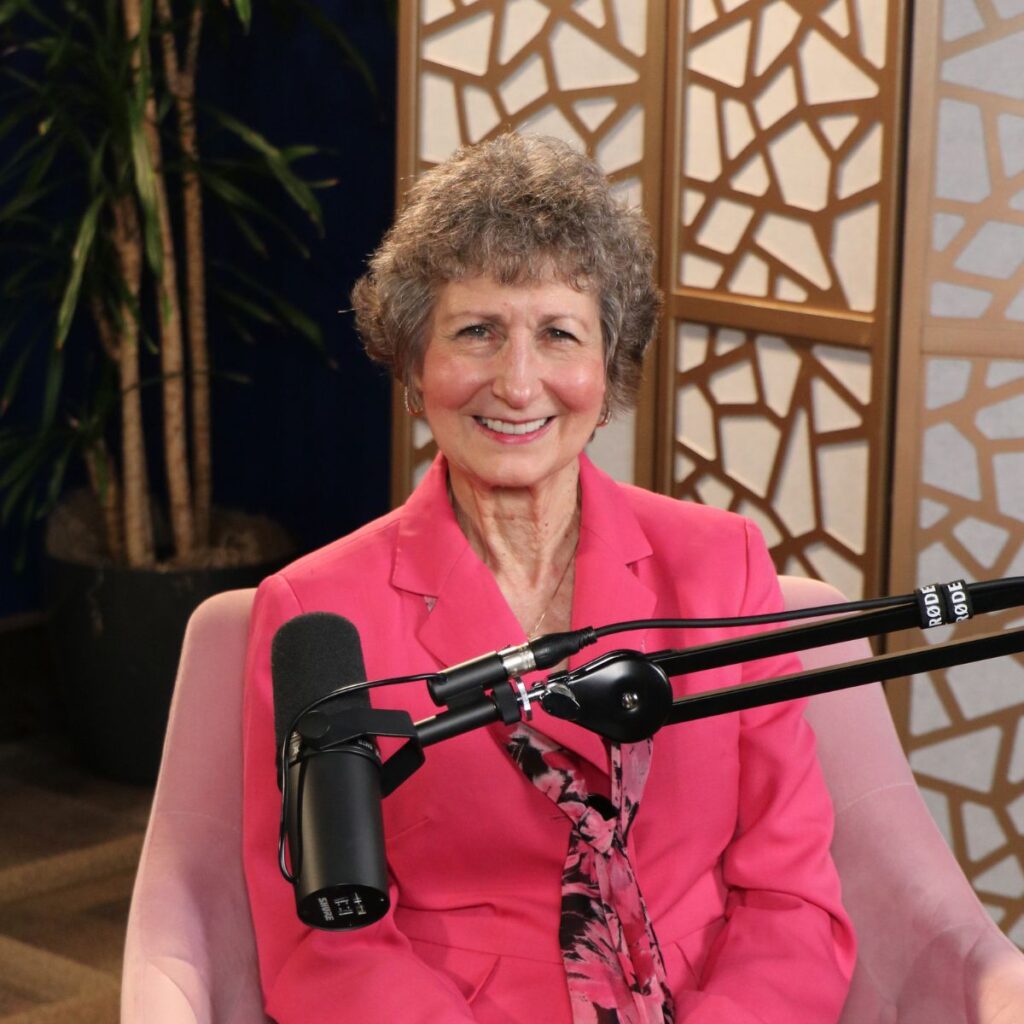
Marilyn is an attorney, CPA, and president of the Bill and Helen Crowder Foundation, the private foundation whose generosity helped build The Rose’s podcast studio. She has been a Rose patient since the late 1970s, when she came in for her very first mammogram after moving to Houston. Decades later, she found herself in a very different role, as a Stage III HER2 positive breast cancer patient. Her advice is simple and direct: check yourself between mammograms, get second opinions, take care of yourself first, and know that The Rose and organizations like it exist so that every woman, insured or not, has a path to care.
“Dying was not an Option,” a Survivor’s Story
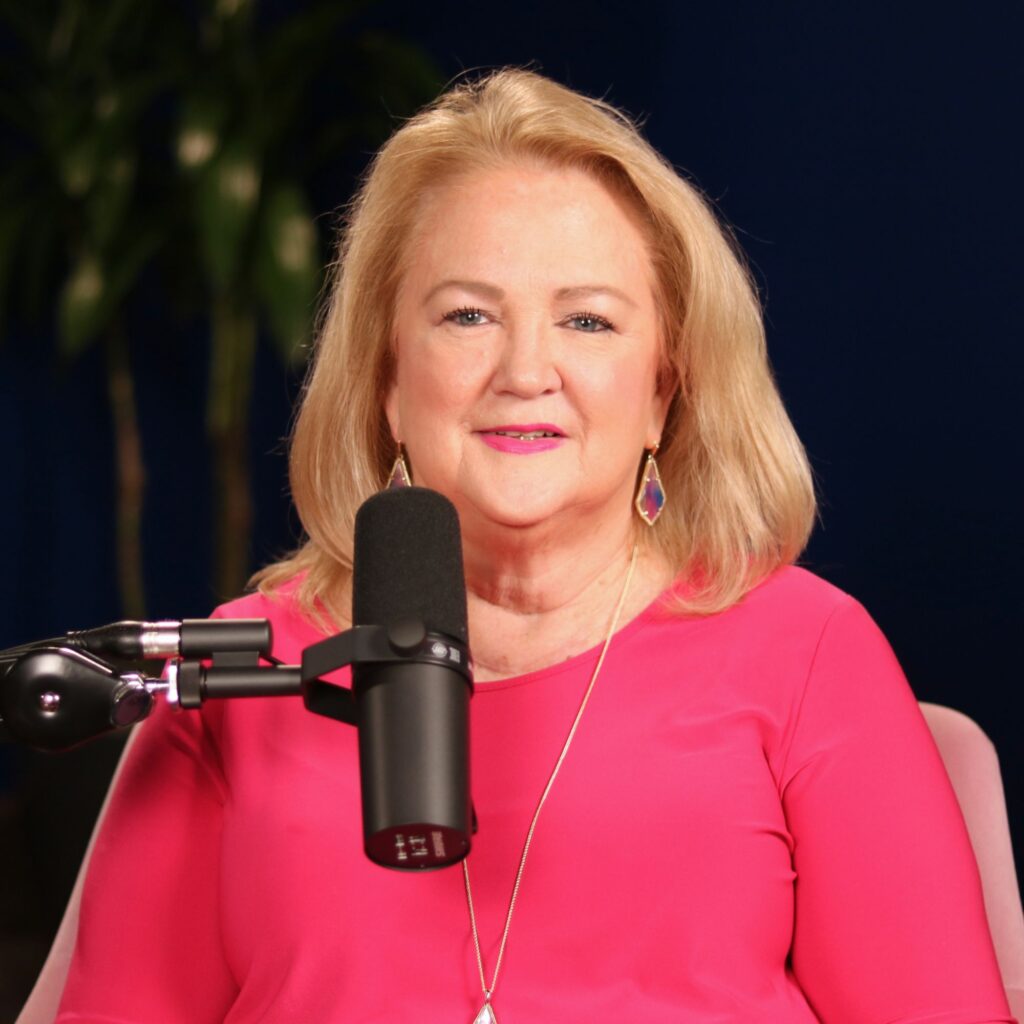
Linda Petticrew is one determined woman. She’s worked hard and many long hours to build a successful career as an Executive Assistant to some of the top CEO’s in the city. But her real strength tenacity was when she faced breast cancer, not once but twice. Diagnosed at a young age, she fought and won her battle and then twenty years later had to fight it again.
Navigating Side Effects, Fear of Recurrence, and Life After Treatment
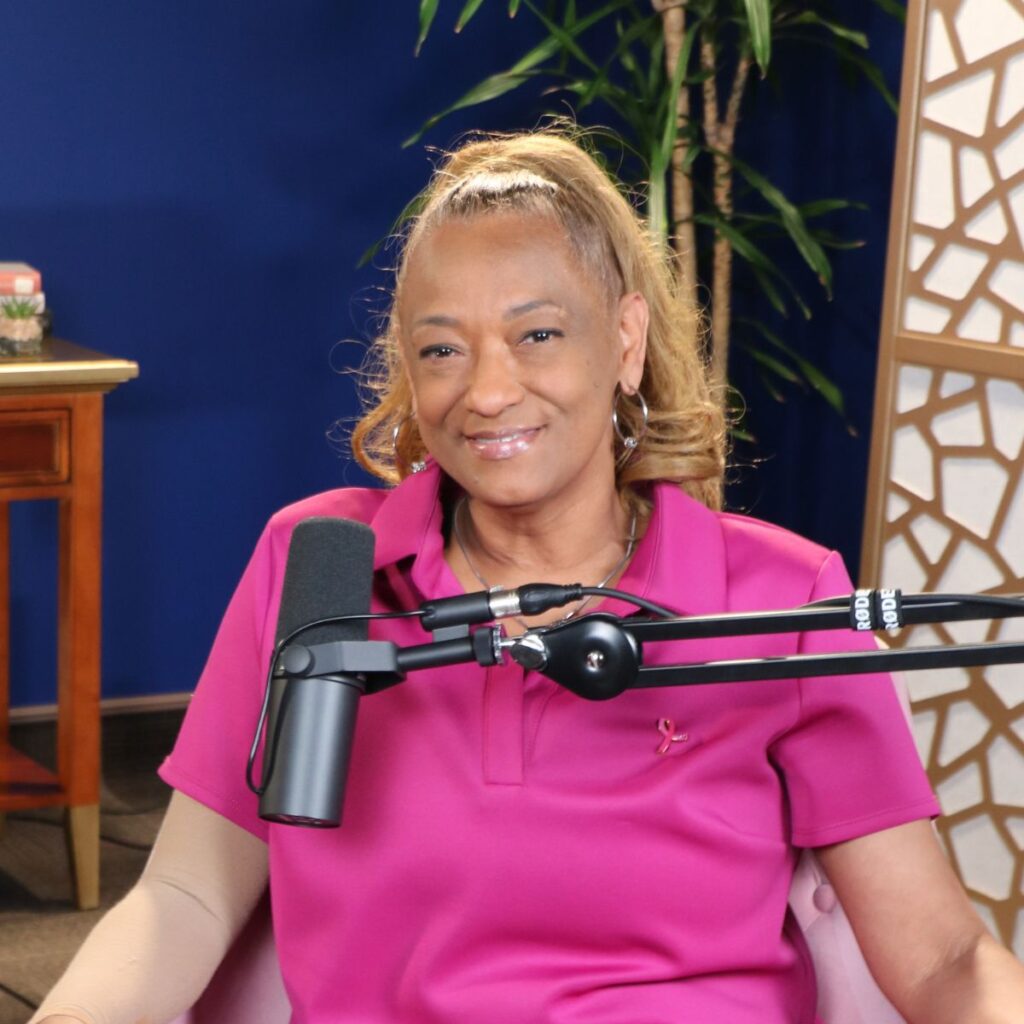
A casual night watching sports, a quick self-exam, and a lump that did not belong there. Faced with no insurance and four months of not knowing what to do, Felicia Kent walked into a neighborhood clinic, received a referral to The Rose, and heard the three words that changed everything: you have cancer. In this episode, she talks about choosing a treatment center, using research and strict adherence to medication to blunt chemo side effects, and learning to live with radiation fatigue, lymphedema, neuropathy, and a body that will never be the same. She also shares how faith, a determined daughter, an emotional support dog, and a calling to serve other survivors led her to start a nonprofit, finish her psychology degree, and focus on practical support and early mammograms in the African American community.
On the Road for Early Detection
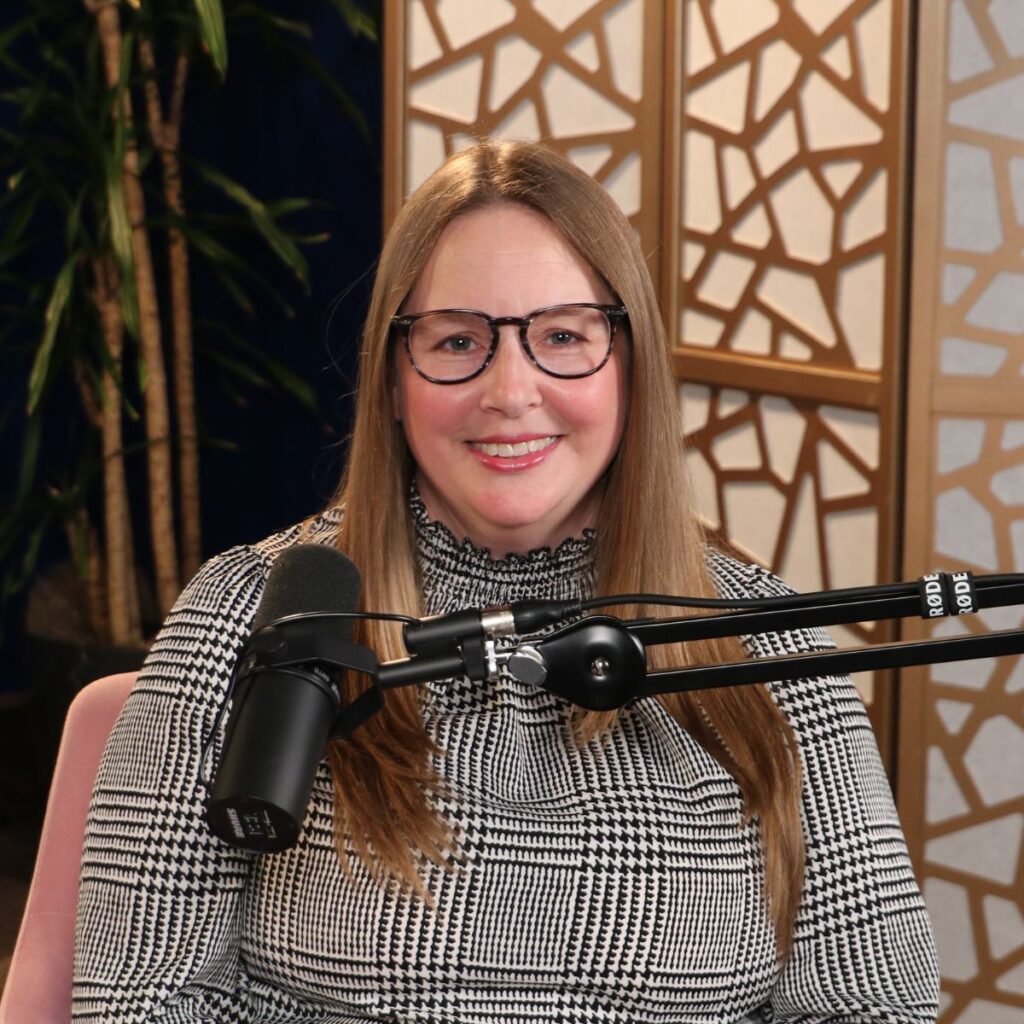
Some women clear their calendar for a mammogram. Others step onto a 40-foot pink coach in their office parking lot. As Director of Mobile Services at The Rose, Shelly Kot oversees a pink fleet of five mobile mammography coaches that deliver the same 3D breast cancer screening you’d get in a breast health center, to women across 45 Southeast Texas counties. During this conversation, she talks about the moving parts that keep those rolling clinics on the road, the disappointment when a failed generator or quality check shuts a mobile day down, and why she still puts on a badge and does mammograms herself. She also shares how being raised by her grandparents, working inside both nonprofit and for-profit systems, and parenting a daughter shapes the way she teaches women to push for answers when something feels wrong.
Blindness, Breast Cancer, and Bold Choices: One Woman’s Unyielding Spirit
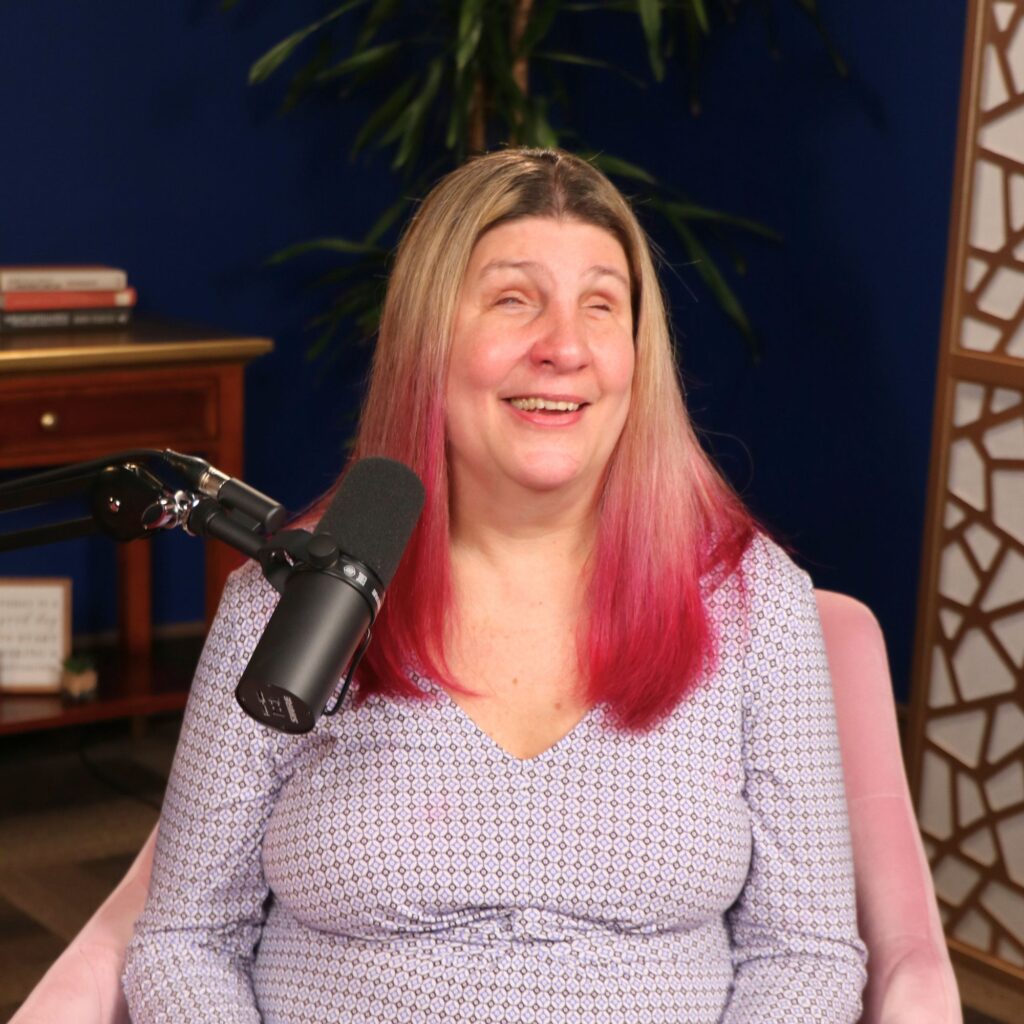
Jennifer Parrish, Manager of Business Services at the Lighthouse of Houston, joins Dorothy to share her story. Parrish talks about managing work at the Lighthouse of Houston, overcoming transportation issues for treatments, and addressing misconceptions around breast cancer.
Access to Treatment Takes More Than a Pathology Report
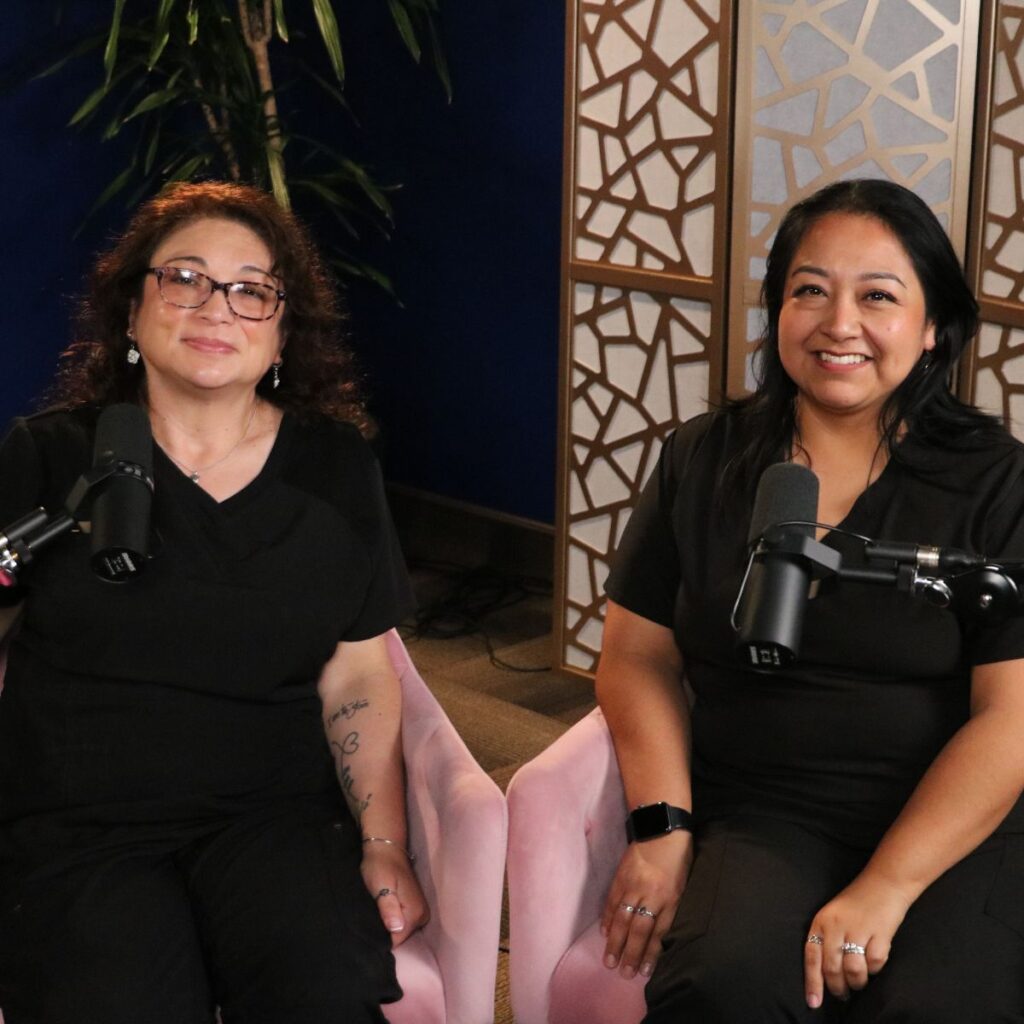
Being uninsured, speaking a different language, or not understanding a 40-page form should never decide who lives or dies. In this episode, patient navigators Laura Tovar and Elizabeth Esparza walk us through what really happens after an uninsured woman hears “you have breast cancer” at The Rose. They explain how they review applications before diagnosis, sit in the room with the radiologist, and answer the first question they always hear: “How am I going to pay for this?” They also talk about the maze behind programs like Medicaid for Breast and Cervical Cancer and Harris Health, what it takes to keep coverage from lapsing in the middle of chemo, and the extreme steps some families take, from moving counties to divorcing, just to qualify. Along the way, Laura and Elizabeth share what it costs them emotionally to carry these stories, why they sometimes cry with husbands and children, and how quilts, gas cards, summer camps, and rent assistance become part of making sure no woman has to face breast cancer or the paperwork alone.
A Women’s Bakery, Orphaned Elephants, and Rural Breast Care: Giving With a Bigger Picture

Nonprofit leaders dream of someone walking in and saying, “I’m going to give you a million dollars.” Very few ever see it happen. In this episode, a longtime supporter explains why she chose to fund multiple mobile coaches, help open an East Texas hub, and seed The Rose’s Mammogram to Medical Home program instead of paying for brick and mortar. She talks about dividing her mother’s unrestricted giving fund among education, medical care, and conservation, and why she looks for small organizations whose work sends “tentacles” into whole communities and generations. From a women’s bakery in Africa that feeds thousands of children and sends girls to school, to knowledge mobiles, orphaned elephants, and seed grants for students, she returns over and over to one idea: food and health give people a chance at any future.
Dance, Culture, and Commitment to Breast Cancer Awareness

During this mashup episode, you’ll hear from supporters of Hats and Henna High Tea, a community driven event that celebrates survivors, supports patients, and raises critical funds for The Rose. These are supporters, caregivers, and champions. They talk about mothers and mothers in law facing breast cancer, the sacrifices families make, and the resilience that shows up in hospital rooms, small businesses, and dance floors. Hats and Henna Hight Tea brings culture, art, and local leadership together to focus on The Rose’s mission.
Early Screening, Genetic Testing, and Hope After Loss to Metastatic Breast Cancer
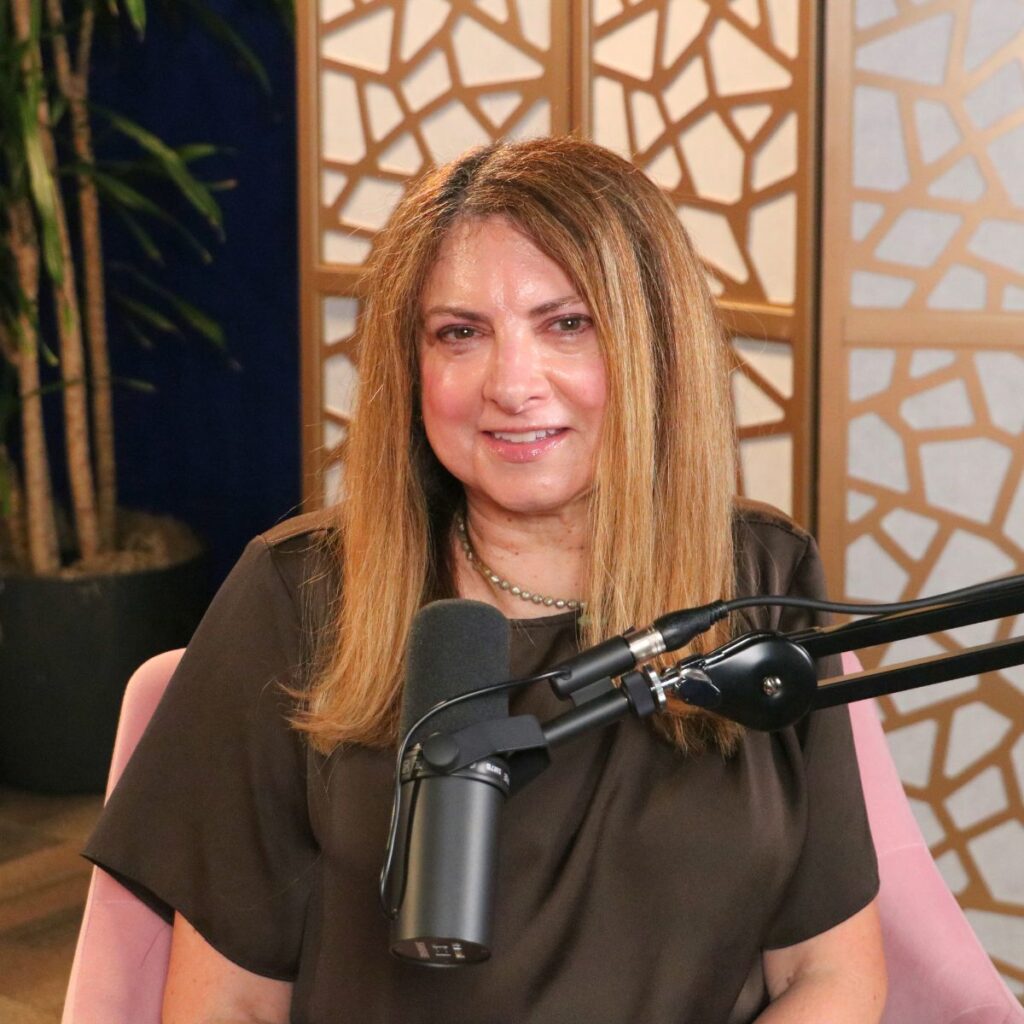
After losing her mother to de novo metastatic breast cancer, Elise turned grief into long term advocacy and board service at The Rose. She demystifies modern metastatic care, clinical trials, and lifelong treatment while urging women of every age to push for screenings and answers.
CPRIT, The Texas Cancer Plan, and You
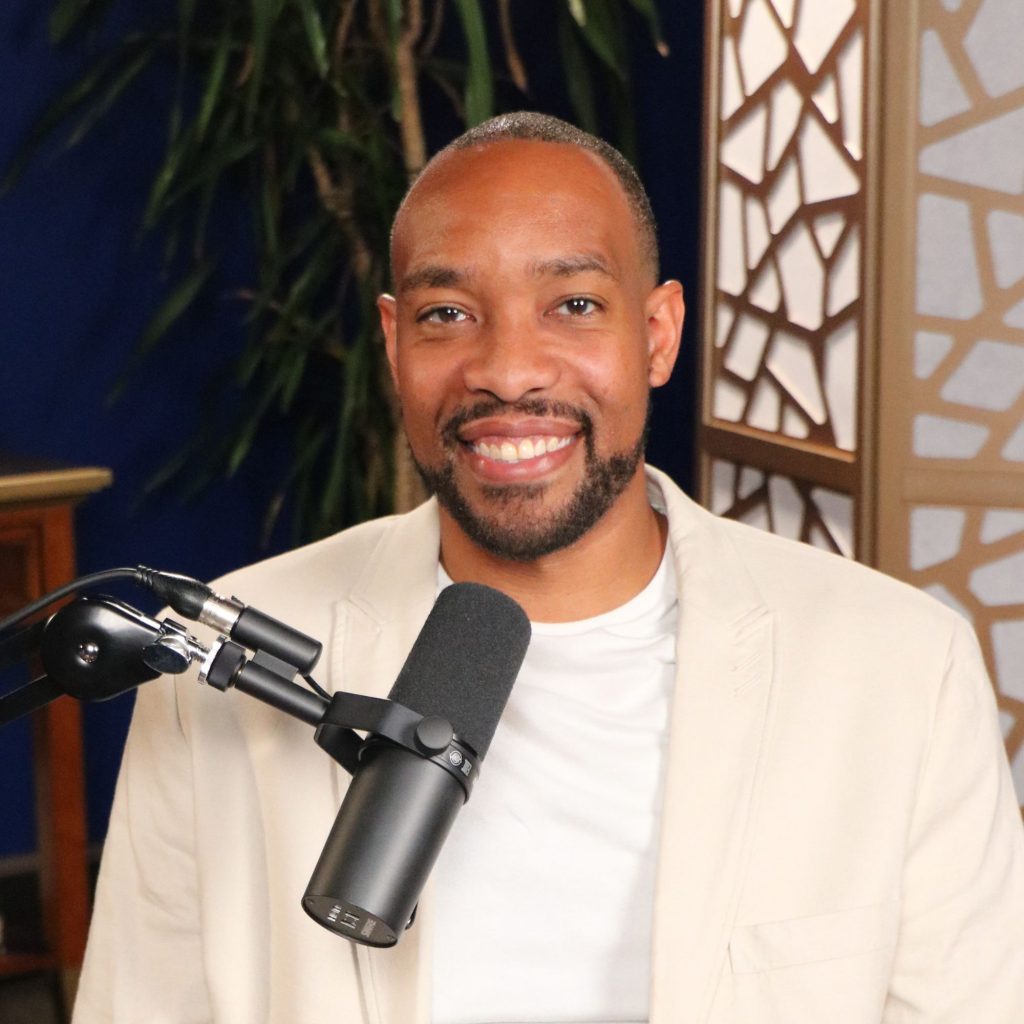
How does one man’s dedication to community health reshape cancer prevention efforts in Texas? Carlton Allen’s passion for public health and population health, sparked during his academic years, led him to an influential role at the Cancer Prevention and Research Institute of Texas (CPRIT). Through his guidance, CPRIT addresses significant cancer burdens and health disparities statewide. Meanwhile, Allen champions the Texas Cancer Plan as a comprehensive roadmap for continued progress in cancer prevention and care.