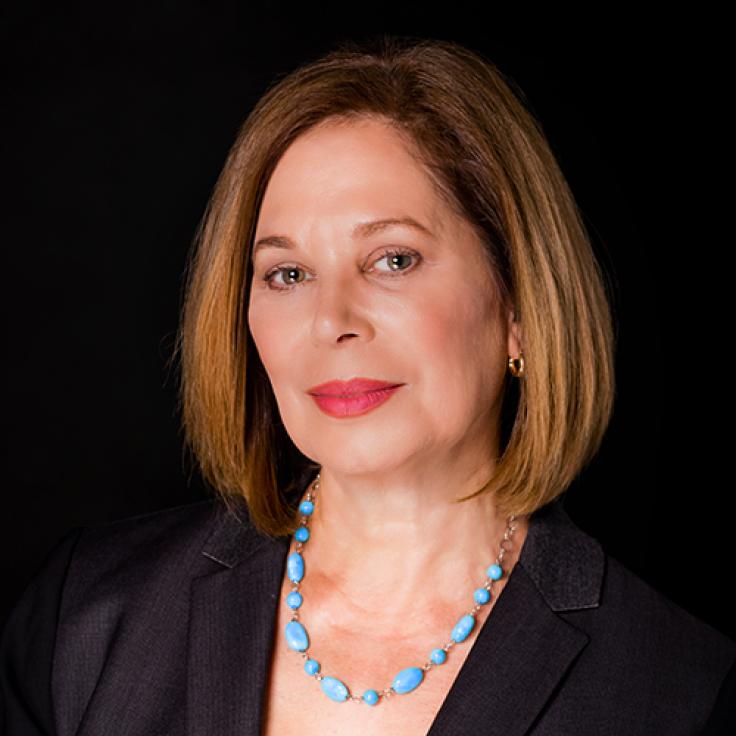
Dorothy: [00:00:00] What if the key to better health wasn’t just visiting the doctor or taking medication? Today’s conversation with Elena Marks answers that very question. Elena’s work makes me think about the broader factors that influence our wellbeing. She spends much of her time as a fellow at the Baker Institute for Public Policy, which is out of Rice University, focusing on the non-medical drivers of health. Things like having access to nutritious food or living in safe environments, quality education. These factors, she argues, have a greater impact on health outcomes than medical care itself. Elena’s insights challenge us to rethink how we allocate health dollars, suggesting that investing in these non-medical areas could lead to better outcomes and more cost effective solutions.
When you subscribe to our show, you help us grow. Someone you know [00:01:00] may need to hear this story. So please share with your family and friends and consider supporting our mission at therose.org.
Let’s Talk About Your Breast, a different kind of podcast presented to you by The Rose, a breast center of excellence, and a Texas treasure. You’re gonna hear Frank discussions about tough topics and you’re gonna learn why knowing about your breast could save your life.
So today we have with this Elena Marks, and this is a person that I have admired for a very long time. She is so knowledgeable about healthcare and health policy, and I remember one of the first charges I ever heard was, if you really wanna change things, you’ve gotta change policy. So Elena, thank you for joining us today. I’d love for you to start with telling us a little bit about the Baker Institute and what you do there.
Elena: Great. Well, thank you so much for having me back. I love what you [00:02:00] do at The Rose, uh, and I love your podcast, and I, um, am I’m happy to be here again. So the Baker Institute for Public Policy is part of Rice University and we’re in our 32nd year. And the namesake is, uh, former Secretary of State, uh, James Baker. And we have always had a, a big role in policy relating to foreign affairs because of his role as Secretary of State. And the, the institute covers a lot of different areas. We have more than a hundred experts affiliated with the center, uh, and within the institute we have a center on health policy that I’ll talk more about later. That’s the group I’m with. Uh, we have a center on the Middle East. We have a center on China. We have a center on tax policy. We have a center on Mexico City, uh, or Mexico and US Relations. And we have a, a Center on Energy Studies. And each [00:03:00] of these are groups of people who have varying levels of expertise and areas of expertise, most of whom are not academics. They are, uh, largely people who worked at the policy level in whatever the sector is that they’ve been a part of. And so we are producing research at the institute, but our research is all focused on making policy recommendations, whether it’s to local governments, state government, uh, federal government, or international bodies.
Dorothy: I didn’t realize it had that many different areas.
Elena: Yes.
Dorothy: That’s, that’s very interesting.
Elena: Pretty broad.
Dorothy: Now tell us about your area, the, the one that you work in.
Elena: So I work in the Center for Health Policy and we have several different focuses within the center. Our first program, uh, is, uh, in health economics and it’s led by Dr. Vivian Ho, who is an economist and [00:04:00] is nationally known for really good, um, data oriented work. Looking at how our healthcare system works, a lot of what she’s working on these days is, is how do we account for increasingly high costs of care, particularly in hospital settings, and are we getting our money’s worth.
We have, uh, another group within the center that works on firearm safety policy. So these are not gun control people as you might normally think of them, uh, in part because that really wouldn’t work in Texas, but what they’re about is, okay, we’ve got all these guns, uh, how do you keep people safe, particularly children safe?
Uh, and so they look at things like the age of purchasing and safety equipment and safes and other ways that the healthcare professionals can talk to patients about firearms and how to keep themselves and their families safe. Um, we have someone who works on drug [00:05:00] policy. Uh, some of it has to do with whether, uh, marijuana and other things like that ought to be legal.
We have someone who works on. Vaccines and on bioethics. So she does a lot of work trying to make sure that vaccines are accessible and available and actually promoted by the government for people. Uh, and she also looks at, uh, bioethical issues like cloning embryos, as you know. Are we gonna allow people to do that? Is that a Good thing or not. And works on the non-medical drivers of health, and we look at all of these factors that are outside of the healthcare system that have a greater impact on health outcomes than medical care itself. Our newest group who joined us just this month is, uh, working on reproductive health and they look at things like access to contraception, um, particularly for teens or women getting access. [00:06:00] Timely. What is insurance coverage for contraceptions and, and how do we make sure that people are getting pregnant when they wanna?
Dorothy: I know you’ve been in these things that impact health that have nothing to do with healthcare, nothing to do with insurance, having it or not having it. And give us a couple of examples. I know you’ve been in this a long time and it’s just fascinating to me how much more impact those can have than what we in healthcare think.
Elena: If you think about all of the things that influence a person’s health, the, the access to healthy food or not, um, the ability to exercise, living in a clean and safe environment. Are they able to go to a park near their house? Do they have transportation? Do they have access to good education? And if you think about all of these factors, those are the ones that actually set you up for being healthy or unhealthy, and [00:07:00] particularly in this day and age when chronic conditions like diabetes and heart disease. Are among our biggest killers. Those often are influenced by these non-medical factors. And so the work I do is intended to free up dollars that are currently devoted to medical care, which is very downstream, and a lot of it is acute care, so that by the time you’re diabetic and you get to the hospital to have your leg amputated it’s really too late and we can instead invest in programs like Food as Medicine. So there are a lot of programs across the, the country now, uh, and in Houston and Texas, um, where they are providing actual food to patients who have conditions that can be improved by their access to certain kinds of nutritious foods.
If you think about people who are diabetic and how you’re trying to regulate the, uh, timing and the amount of [00:08:00] carbs they eat because that impacts their insulin, um, production. Then you can help them with the diet. And everybody doesn’t have access to those foods on their own, um, particularly lower income populations.
And so what what we are working on is getting the, the medical payment systems to cover things like food for diabetics. The, the best example I have of this because it’s so easy and neat to understand. If you think about, uh, people with asthma, even if they have insurance, they get inhalers, they visit the doctor.
But if they are living in a home that is full of mold or pests or, or other, uh triggers for their asthma. It doesn’t matter that they’ve got all these medicines, they’re gonna have asthma attacks. And so for, there are programs that go into the homes of people who have asthma and who have, um, are, are controlled by medicine, yet they still keep having [00:09:00] asthma attacks. They go to the doctor, they go to the emergency room. Sometimes they’re hospitalized and for less than what it costs for one hospitalization, you can actually go in and get rid of the mold. Change out mattresses. Fix carpets, and do things that change the environment that’s causing thethe trigger. And my question to policymakers is why are we willing to spend all of this money for people to keep going to the hospital when we could spend less money and just fix the environment they’re in so that they don’t get triggered all the time?
Dorothy: So are you having success with that?
Elena: I. Yeah, bits and pieces, so, so nationally, actually, there’s been movement in this area over the last, I don’t know, eight to 10 years within Medicaid, which covers primarily lower income people. There are lots of flexibilities that are available if states choose to adopt them, that allow them to use Medicaid dollars to pay for some of these [00:10:00] services.
Texas has not taken up the authorities to the extent they’re allowed to. And that’s part of what I work on now in the legislature is how do we get Texas to move forward and, and take advantage of these federal permissions within the Medicare space, particularly in, in Medicare Advantage, which is the private part of Medicaid, Medicare, where you can choose to have, uh, a plan offered by an insurance company.
Some of those plans provide all sorts of non-medical services. They provide, uh, home remediation. They will, uh, remodel your house to make sure that it’s safe so that you don’t have trip and fall hazards. They provide non-medical transportation ’cause they know that you need to get to the grocery and that you need to get to other places.
They’ll provide, um pet, um, care and gym memberships and all of these other things, and, and you think about how much sense it makes because they’re trying to keep, uh, the seniors who are [00:11:00] on Medicare in their homes and safe. They don’t want them to wind up in a hospital or to need to be institutionalized.
And so in order to do that, it’s not about medicine. Well, there is medicine involved. I don’t, I don’t mean to say there’s medicine’s not involved, but what you’re really trying to do is create a safe and healthy home environment so the person can thrive in their community, which is better for the person and cost less.
And so my, my pitch to policymakers is if we’re only using our health dollars to pay for medical care, we’re leaving some tools at the side. And why would we do that? Why don’t we use all of the tools that are available to us and why don’t we pay for whatever it is that is going to produce the best health outcome instead of saying, no, we’re only gonna pay for things that doctors can provide.
Dorothy: That is so logical. It makes every sense in the world. But now. In [00:12:00] Texas, and I know you were talking about Medicare, which I really didn’t know. Our Medicaid is very limited.
Elena: Yes. Um, the, the Affordable Care Act passed in 2010. Well, at first it mandated that all states would expand Medicaid so that it would include, um, uh, uh, working adults, um, who historically had been excluded from the program. The Supreme Court said that that was optional for each state. And while 40 states have accepted Medicaid expansion, Texas is one of 10 that has not done so.
And what that means is we’ve got about a million adult Texans, most of whom are working, um, but not in the kind of jobs that give them affordable health insurance, who are simply shut out from the system. And unless and until we make a different decision there, that population is, is, um, simply not without access to affordable health insurance.
Dorothy: And that’s the population we take care of here at The Rose.
Elena: That’s, [00:13:00] yes, that is exactly who you take care of.
Dorothy: So many. People, as I’m trying to explain what The Rose does and why it’s important, will say, well, they can just get Medicaid. And I’m going, no, they can’t.
Elena: No, they can’t.
Dorothy: So, no. Can you can probably give a better idea about who does get Medicaid in Texas.
Elena: Yes. Well, so we’ve got about 4 million people in Texas on Medicaid. Three quarters of them are poor children. We have the broadest coverage for children. Uh, and so that’s, you know, people up to age 18. We also cover pregnant women who are poor. And the, the good news is that in the last legislative session, uh, they expanded that coverage to be 12 months postpartum.
It used to only go two months postpartum. And the, the 12 month expansion means that. Pregnant women will get to stay on the program longer. And because so many people [00:14:00] who give birth, um, have issues that, you know, preceded their pregnancy, persist during their pregnancy, maybe are exacerbated by the pregnancy, and this gives them another year’s worth of opportunity to get healthcare so that they, um, uh, have better outcomes for themselves and, and are better able to take care of their children.
The other group and the really expensive group that is on Medicaid are, are poor people who are elderly and disabled. About three quarters of the, the Medicaid expenses go to that population because their very high need. Medicaid is the largest payer of nursing homes in the state, and this is true across the country that that’s how we pay for nursing home care.
And so the people who are on Medicaid in Texas are poor kids, poor pregnant women, and disabled people.
Dorothy: And that’s it.
Elena: And that’s it. There, there’s a sliver for [00:15:00] poor parents. Um, but they have to be really, really poor and they, there’s a lifetime limit on it. So generally, the parents of the kids who are on Medicaid are themselves not covered unless they, they have the opportunity through, uh, an affordable employer plan.
Dorothy: So now let’s, I know we’re gonna switch hats here just for a minute, but explain to us the impact of ACA affordable care programs.
Elena: Well, huge impact. I mean, if you think about our, our big, clunky, confusing healthcare system. Uh, Medicaid and Medicare were designed in the 1960s and there have not been a ton of reforms to them over the years.
We added Chip, which covered some more children, so not quite as poor as the Medicaid kids. Um, but then in 2010 was the first big approach to say, let’s find a way for [00:16:00] everyone. And this does not include undocumented people, and it does not include certain immigrants who are documented, who may not have been here long enough, but for the general American public. Let’s find a way that everybody gets covered. So, um, there were mandates in it about employers, what kinds of employers, what sizes and what they had to offer to their employees. There were mandates for small employers. There was an individual mandate for people to get insurance themselves because you have some responsibility to try to take care of yourself like you.
If, if you can afford it, it also expanded the ability of parents to keep their kids on their plans, uh, until they were 26 years old. So you had a lot of young adults who were, uh, either in college or working or both, and they just didn’t have, um, uh, affordable job insurance. And so this way they could get it, they could stay on their parents’ plans.
Um, the other thing it [00:17:00] was create a marketplace that would allow private insurance companies to sell plans to people who were not very, very poor, but still lower and low, middle income, and they would get subsidies to purchase those plans on a sliding scale based on their incomes. It also expanded Medicaid, so the idea was the, the very lowest income people would be on Medicaid. The next tranche of people would have access to the marketplace plans with the subsidy that matched up with their income. And then the highest income people would not have a subsidy, but they were primarily covered through employer sponsored plans or they had enough money to buy their own plans and with an individual mandate, they were supposed to do that. And that was a way to get everybody covered in a program that was affordable to them based on their income. And we now have in Texas 4 million [00:18:00] Texans who are covered by Affordable Care Act plans.
Dorothy: And that is huge.
Elena: It’s his and he is on Medicaid.
Dorothy: Right. The first year that, that, this all went into effect, we had 4,000 patients using that plan that we would’ve had to sponsor or care for through one of our programs the previous year. That and, and the, the level of, uh, compliance was wonderful. I mean, you know, those are things I’m seeing in this very small arena, and it was just amazing to me.
And then when the mandates changed. Of course we saw a lot fall off, but it was very confusing there for a while for so many of our patients and you know, now we, encourage work with them, try and help them find a plan that would work. Because you know, the limited programs that we have are only gonna cover breast. It’s not gonna cover diabetes, it’s not gonna cover anything [00:19:00] else that you might have. So it made so much sense. Now, correct me if I’m wrong, didn’t the Affordable Care Act also eliminate the preexisting clause.
Elena: It did. So if you had preexisting conditions, you used to be able to be excluded. Um, and so that went away. And so people who were cancer survivors used to not be able to get insurance, or they’d get insurance that would not cover, uh, cancer because they’d had cancer.
Dorothy: Right.
Elena: Which kind of defeats the purpose, so that went away. The other thing, the ACA did was, um, mandate a set of benefits that were built into all of the plans. And they use the US Preventive Services Task Force recommendations. And so many of your patients, if they have any kind of insurance, um, are, are guaranteed, uh, if they meet the criteria, which is about age or or or other family history to get mammogram services [00:20:00] without a copay. And that’s a big thing.
Dorothy: That was huge. I mean, that just changed so much. I, I always wanna remind people about the, uh, preexisting, because, you know, when they start slamming the program and going, no, wait, you know, there were some really good things that came with this that you are taking for granted now you just, uh, forget ’em.
Elena: No, it’s, and it’s, it’s not perfect in any sense of the word, and some of the networks are pretty narrow, but it is way better than it was. And we have, even in Texas cut our uninsured rate significantly. Because of the opportunities in the aca.
Dorothy: Absolutely.
Elena: For people to get on the marketplace plans with the subsidy and for kids to stay on their parents’ plans until they’re 26.
Dorothy: Absolutely. And, and you know, it’s, it just, again, it made sense, it worked. So, you know, what, what else can [00:21:00] we do in that arena to encourage other more participation in it from even like the people we care for.
Elena: Well, one of the things that, that’s on the chopping block right now relating to the Affordable Care Act, actually there are two. One is that there are enhanced subsidies, um, that have been in place since Covid and they’ve remained in place until this year. And there, there are about 4 million people nationally, probably 600,000 in Texas, who, um, are, are able to afford plans because of these enhanced subsidies. And if they expire without being renewed at the end of the year, the, the price for those plans for those people is gonna go up. And there’s, um, modeling that shows that, uh, hundreds of thousands of them will likely drop their coverage, so they’ll be uncovered again.
Also, one of the things, the federal government. Does because the a CA requires it is that it puts a lot of [00:22:00] money into navigators. People who help people like your, your clients learn about the ACA, learn how to sign up for a plan. They helped them shop plan so that they could choose the one that’s best for them.
The Biden administration had been putting about a hundred million dollars a year into navigators. Um, the Trump administration is expected to cut that to a as little as they can. They have to put some funding into it because it’s the law. But if they don’t put that funding out for navigators, then a lot of people just don’t have the information they need.
But both the outreach to let them know these plans are available. And the assistance, you know, buying insurance is confusing and, and so having someone who is trained to go through it with you and talk to you about why you might choose this plan versus that plan is really helpful. And without that, a lot of people who we have gotten into a [00:23:00] lot of those 4 million Texans, between the subsidy losses and the lack of navigators, they’re gonna, um, fall by the wayside.
And we’ll see our un uninsured rate go up again. And a lot of these unfortunately, are, are, um, the clients you’re serving, which means that you are not going to get paid even though they’re people who are able to access coverage and just don’t know about it and get the help to get into the program. And then you have to use your, your limited dollars to cover more people instead of fewer people. And that just strains who you can help.
Dorothy: So if you were waking up 10 years from now and had achieved every goal you wanted to, what would that look like? The things you’re working on right this minute, what would that look like?
Elena: Wow. Well, it would look like we had, um, a system that guaranteed access to primary and pre preventive care to [00:24:00] everyone. We are lacking that in this country. We have a very patchwork system where different people have different abilities to access different kinds of care, depending on a lot of circumstances that are beyond their control. So I would say that we had access to preventive and primary care, and perhaps more importantly, that we spent more of our, our medical dollars um, upstream that we, we paid attention to the food that people eat. We paid attention to the pollution that they may be exposed to, and that we worked at that from a public health and preventive strategy so that people didn’t get chronic diseases that limit their lives.
Dorothy: You know, the public health, the things that have been accomplished have made all the difference in the world to the to our health, you know, just the basic things. So this makes so much sense. It’s the next step. It [00:25:00] is the next, oh, level of drill care. True care.
Elena: Yes. And when you look at other countries, other western developed countries, what you see is that we spend much more on medical care than they do. And they spend much more on what, uh, the OECD would call social spending, which means they provide parental support and parental leave.
They do a lot more to help young families with their children. They, um, provide more educational supports and the result of those investments in people and their whole health correlates with better health outcomes. So they are spending less than we are and they are getting better health outcomes.
Dorothy: Well, that should tell it all.
Elena: That should, it should be.
Dorothy: Our, our, our really big headliner for the, the, this next decade. Elena, I so appreciate you joining us today. You just, you make things so simple, so logical, and you know it, we don’t have [00:26:00] a lot of that right now in healthcare. Any last advice to the listeners of this, of this episode?
Elena: Stay engaged and stay active. These are confusing times and uh, it’s gonna take all of us to make our voices heard, that we believe everyone is entitled to really basic healthcare.
Dorothy: Great advice. Thank you again. I appreciate you so much and we hope to have you one more time before, before too long.
Elena: Thank you.
Post-Credits: Thank you for joining us today on Let’s Talk About Your Breasts. This podcast is produced by Speke Podcasting and brought to you by The Rose. Visit therose.org to learn more about our organization. Subscribe to our podcast, share episodes with friends, and join the conversation on social media using #LetsTalkAboutYourBreasts. We welcome your feedback and suggestions. Consider supporting The Rose. Your gift can make the difference to a person in need. And remember, self care is not selfish. [00:27:00] It’s essential.