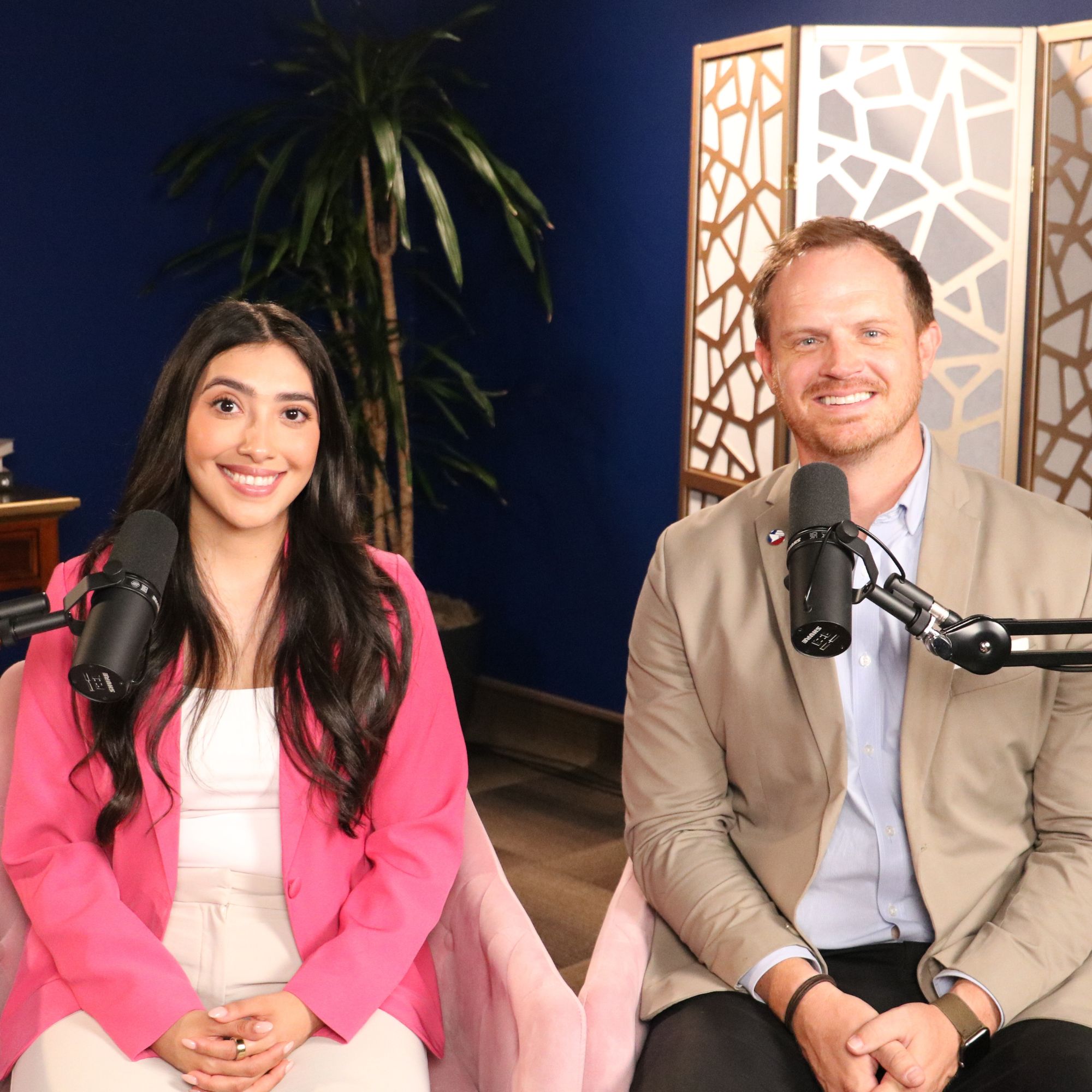
Dorothy: [00:00:00] Port Houston plays such a vital role in so many lives here in Houston, but they also play a very quiet role in our community. Garret Berg and Jessica Mendoza are here today to join us and to talk about the real work behind running the country’s busiest waterway. They also talk about how they choose partners within the community, just like The Rose, because they know the impact that those partners can make on the community. One of the most special parts that they talk about is how the port connects with local schools and does everything they can to improve neighborhoods.
When you subscribe to our show, you help us grow. Someone you know may need to hear this story, so please share with your family and friends and consider. Supporting our mission at therose.org.
Let’s Talk About Your Breast, a different kind of podcast presented to you by The Rose, a breast [00:01:00] center of excellence, and a Texas treasure. You’re gonna hear frank discussions about tough topics, and you’re gonna learn why knowing about your breast could save your life.
Garret and Jessica, thank you so much for being with us today. I am, I’m really excited about getting to know more about Port Houston. Now, I wanna tell you, I went online and I thought, what they do this, they do this, they do this. So. Uh, who wants to jump in there and, and tell us a little bit about the port.
Jessica: I’m happy to jump in there is, if that’s okay.
Garret: Yeah, go for it.
Jessica: But first of all, I just wanna say thank you for the invitation.
Dorothy: Of course. Of course.
Jessica: We’re so happy to be here. But just a little bit about the port. So Port Houston is the leading advocate and the strategic leader of the Houston Ship Channel. So just in case you didn’t know, the Houston Ship channel is the nation’s busiest waterway. It’s.
Dorothy: It is, yes.
Jessica: It is. It’s 52 miles long and it’s home to over 200 [00:02:00] private facilities. But of those facilities, port Houston owns and operates eight of them, which includes the area’s largest break bulk facility. So you may be asking what’s break bulk? Break bulk is everything that does not fit into a container.
So it can be a crane, steel, some kind of construction equipment. So that huge, uh, heavy cargo whenever you see that sign. On on, maybe you’re driving on the freeway and you see a truck with flashing lights saying heavy cargo. Or just slow down. That is break bulk. Um, but we also operate two of the nation’s most efficient container terminals.
What comes through the port? Well, it could be the very devices that this podcast is listened on. It’s phones, it’s tablets, it’s um, iPods, iPhones or iPod’s still a thing, but it could be the very much, the clothes that we’re wearing, the Amazon orders that you place online and get delivered right to your doorstep, maybe even shopping your favorite Walmart, [00:03:00] Walmart products, or even possibly the car that someone is driving. So.
Dorothy: Hmm. So I, Jessica, how long have you been there and, and what is your role?
Jessica: So I have been at the Port for over a year. I’m closing in on my two year. Two year anniversary, which is insane to say. I am the community relations coordinator at the Port.
Dorothy: Well, of course you are. You knew everything about it, just, just in that one bit.
Jessica: Yeah.
Dorothy: And do you like your job?
Jessica: I really do. It’s a very interesting position. Um, first of all, the maritime industry. I will be honest and say I did not have a lot of background. If little to little to none, I will be honest about the maritime industry. But when it comes to engaging with community and being out there and having those face-to-face conversations, that’s something I truly value and love to do.
Dorothy: And Gary, now tell us about your role.
Garret: Okay, so I serve as a cations manager. I’ve been at Porton for [00:04:00] 10 years now.
Dorothy: Ooh.
Garret: Uh, I feel like just long enough to kind of get a good grasp of what’s going on, but it’s been kind of the same thing. I didn’t have a whole bunch of background in maritime, but it’s something that I’ve learned to love, appreciate, um, so beforehand, did healthcare, did some marketing. Uh, lived down in Honduras, was a teacher for a few years. Um, but I think the thing that kind of ties that all together was just learning about community. Um, so this role has been something that’s been fantastic. Um, really allows us to engage with different communities along that Houston Ship channel, working with them on different projects, different initiatives, uh, and kind of learning how we can enhance our communities.
Dorothy: All right. I, I wanna go there. When y’all talk about maritime. What, what does that mean really? When you talk about learning all of the port, explain that.
Garret: I think it’s something people don’t understand how many layers go into to maritime. Um, the whole intermodal, it’s not just ships, it’s the container terminals, it’s trains, it’s trucking, it’s warehouses, [00:05:00] um, there’s stores.
And so that all kind of builds into this giant maritime industry and truly as an economic engine, um, for our region and our state and our nation. So I think that’s something that we kind of try to get people to understand is really what maritime is and how it impacts their lives and something. Um, and usually kind of, once you get a chance to talk to ’em and explain it, you see a little light bulb go on and saying, oh, like Jessica was saying, the things that we use every day, right, that come through on ships. So it doesn’t say made in USA. Usually, it probably means it came from different country and that ship they brought, that comes to the port.
Dorothy: I know, uh, non-profit groups that work, you know, within the people that are on those ships or may need a place to stay or, you know, uh, Siemens and, and some of those others. But I guess I never even thought about how multi-layered. And you’re right, it is an economic factor. It is a huge factor. There was no Houston till we had the port. I mean, you learn that, you know, in, in history. [00:06:00] So, interesting.
Jessica: There’s a saying, I’m so sorry.
Dorothy: Ahead.
Jessica: I cut you off. There’s a saying that it’s the port that built the city. So.
Dorothy: I, I believe that. Yes. So when you talk about that community involvement, what, what does that include? You know, do you, do you do a lot of presentations? Are you within the schools, within the business? People? How, how does that work?
Jessica: I’d like to say that we do it all. We, we do do speaking engagements, so presentations, but we are partners with schools, whether it be high schools, middle schools, colleges, universities. That’s through our workforce development program. We also partner with nonprofit organizations, civic club, community members, um, chambers of Commerce. So it’s a wide range of community engagement.
Dorothy: And so why would the port have chosen The Rose for this most recent granting opportunity?
Garret: It aligns with our strategic objectives.
Dorothy: Okay.
Garret: Um, to really [00:07:00] kinda enhance and support our communities. Uh, I think the impact that you guys create, um, is fantastic. Uh, we’re always looking for those partnerships and finding what is the need of our community. Understanding that and then who are the partners that are filling those needs. Um, and so maybe it wasn’t one of those things that originally when, uh, the first application we were trying to find that connection. Um, but we realized, um, it’s all about supporting our communities and the work that you guys do. I think it was kind of a no brainer. Just really grateful to be able to grow that partnership with you guys.
Dorothy: Oh, we are too. Absolutely.
Garret: Um, so when you’re going out and just being able to kind of be a cheerleader for you guys, um.
Dorothy: Yes.
Garret: Finding people who’d maybe not, don’t know about the services or the opportunities that you guys present, um.
Dorothy: That is, that is so needed. I mean, because. You know, we don’t have huge marketing and if we have any money, it’s gonna go to the patients. And so we depend so much on that word of mouth and, and our community partners.
Jessica: It’s really important and it’s your mission to save lives. So that, that work alone is something that we truly value. [00:08:00]
Dorothy: And you know, folks forget that in this LaPorte, Deer Park, Pasadena area, these are huge neighborhoods. I mean, there’s lots and lots of people who are, are in need and lots of people who don’t know that, that this kind of service is even there. So now Jessica, didn’t you do some work in empowering, uh, the Hispanic community?
Jessica: I did. Um, right after college I worked for Univision Houston. In their community empowerment department. We hosted a community affairs program strictly dedicated to that informing the community, informing the Hispanic community of low cost or free, um, services, whether it be health services or maybe GED and ESL courses or safety preparedness. Um, just a wide variety of topics dedicated to just educating and, and connecting, because that’s, that’s the key word, that connection.[00:09:00]
Dorothy: And do you think we have a whole lot more to go in that, in helping that population to understand about these health services that are so needed?
Jessica: I, I do. I do. Um. I feel especially they’re, you know, starting with language barriers, that could be one, the main barrier. But I feel like there’s still a lot that can be done to educate and connect the Hispanic community or communities in general that may not know that these, these types of resources exist.
Dorothy: Right. There’s still so many myths out there about breast. It doesn’t hurt.
Jessica: Yeah.
Dorothy: You know, there’s no one in my family that has breast cancer. Oh, what are some of the others? But you know, we hear it all the time. I didn’t think it was anything, thought it would go away. Have either one of you had breast cancer in your family or.
Garret: My mother actually was able to. She had it, but I remember I was very young and I don’t think I truly understood, uh, until [00:10:00] later conversations. But she was able to find it, uh, very early doing like, you know, just routine, uh, screenings . Um, and so that’s something I think they also resonated whenever working with The Rose.
Dorothy: Yeah.
Garret: But she was able to find it early. Uh, they were able to treat. Um, and then one of our coworkers, um, she’s actually a breast cancer survivor. Um, so it’s kinda those things when you kinda listen. There’s more folks that we than, you know, that have dealt with some type.
Dorothy: Absolutely.
Garret: Uh, of breast cancer. Um, and so just like I said, spreading the word and letting people know, um.
Dorothy: Right.
Garret: You know, how to combat that and to get regular screenings. Uh, the opportunities, like, like they said, that you present.
Dorothy: My gosh, if you were young, she must have really been young. Wow.
Garret: Yeah. And it’s one of those things, you know, my mother is one of my heroes, obviously, but she kind of kept that from us. No, not kept it, but we just didn’t know to understand.
Dorothy: Oh, yeah. Yeah.
Garret: And the fight and later, later in life, those conversations, uh, and to realized what she was going through, but she realize the [00:11:00] opportunities that, you know, to catch it early.
Dorothy: Yes.
Garret: Um, and how, you know, um.
Dorothy: Yeah, that’s, that’s how key.
Garret: It’s pretty incredible.
Dorothy: Yeah. And for you?
Jessica: Um, I feel like I’m a very lucky person to say breast cancer has not directly impacted my family or myself. Um, I have been around coworkers that have been impacted by breast cancer. One specifically comes to mind where she was doing her self checks. Everything is fine. She got her mammogram. Everything was great. But she still felt like there was something wrong. Um, so she kept insisting and insisting for all of the tests until they found a lump. They found a lump.
Dorothy: That is so important.
Jessica: Yes.
Dorothy: I mean, we tell women this all the time. You have to be your own advocate. You have to keep asking. And so they finally diagnosed her.
Jessica: They finally diagnosed her. I wanna say it was the size of um, a tangerine or, um, uh, like [00:12:00] the cuties? Do you know? I wanna say it was about that size, if I remember correctly. Um, she got her treatment. I see her now on social media and she is thriving, so I’m happy to see her thriving.
Dorothy: That is so, so good to hear, though. I mean, these are the stories we hear all the time, you know? They, they told me everything was normal, but I knew women’s intuition and, you know, something, sometimes it’s the guys that get us hidden.
Jessica: Yeah.
Dorothy: I am always amazed when I hear a patient saying, oh, well, you know, my husband kept saying, when are you gonna go get that done? Or you know. I, I guess in any kind of healthcare, we have to encourage each other to, to do it.
Jessica: I feel for women, especially if they’re mothers, they tend to put themselves last and they tend to put everyone else’s healthcare before them, their children, their husbands. But it’s when is it mom’s turn. So I love that you’re saying that it’s sometimes men, it’s sometimes their partners that encourage them [00:13:00] to go out and get screened.
Dorothy: Right. No matter what, no matter what screening we do, there is a reason for it and it, it can really make a difference. So I don’t wanna get too far away from Port Houston, even though those are great examples, but I had no idea. With your mom, I’m fascinated by this trip you were talking about. That anyone could take on the boats or the, the, what is it? A tour of the Port Tour or…
Garret: Sam Houston. It’s a free boat tour. Um, it’s one of a kind, it’s the only, uh, boat that can actually go on the Houston ship channel, but allows folks to come down there and see Port Houston in action, uh, to see the break bulk facilities that Jessica was speaking of and kind of see ships from all over the world. Coming in and bringing, you know, goods and services right here to our backyard. Um, so I say it runs Tuesday through Saturday. Uh, we have two, uh, tours each, uh, day, but it’s just a fantastic opportunity for folks to come down there and just kind of get a unique perspective of, of something maybe they don’t know about or having seen. Um, but ships, you know, the [00:14:00] size of three football fields. You know, unloading things right there, you know. Um, just a, a great opportunity for people to understand a little bit more about that economic engine that we speak about.
Dorothy: Right. And this is free.
Garret: It’s free.
Dorothy: And you make an appointment or you sign up or?
Garret: Online.
Dorothy: Yeah. Okay.
Jessica: Register online.
Dorothy: And we wanna get that information just for, so that we have it, and we’ll put it in our show notes.
Jessica: It’s in our, it’s on the registration form can be found on our website.
Dorothy: Okay.
Jessica: And also a phone number. So maybe if you don’t wanna sign up, sign up online, you’re able to give us a call.
Dorothy: Oh, good. Good. How old is the Port Houston? I mean, is it a, was it always an organization or.
Garret: So Port Houston has a great history, uh, officially became, um, the Port Authority in 1914 is when the Houston Ship Channel. So I think 1911 is when they formed an organization and And then 1914 is when the official Houston Ship Channel opened.
Dorothy: Oh my goodness.
Garret: Um, so we have celebrated a hundred years. Um, but before that it was Port of Galveston and [00:15:00] actually Harrisburg. Um, was kind of the original port down there by Ellen’s Landing downtown.
Dorothy: Oh my gosh. Yes.
Garret: It really is. Jessica, I think, hit it perfectly. Houston really was the town that built the port that then built the city. And so it’s kind of, the port is that foundation for a lot of, uh, the, uh, petrochemical, you know, industry, the healthcare industry, and even aerospace. Things that Houston are, you know, kind of is known for, um, all kind of spurned because of, of the Port of Houston. So.
Dorothy: You know, it’s, it’s kind of, uh, humbling to think it’s ships and, and ports that really, really make this city run. We think we’re so sophisticated, we think we’re so modern, and I know everything that y’all do. I’ve been on one of those ships. And, uh, it was a once in a lifetime experience to watch the. And they are called pilots, right?
Garret: Yes, ma’am.
Dorothy: It, it, [00:16:00] to watch that pilot, you know, navigate that ship and there’s no room. I mean, some of those channels or whatever, I’m probably using narrow, using the wrong.
Jessica: Yeah.
Dorothy: Term, but you just set there holding your breath. Oh. But it was fabulous and the ships are huge and, and to be in that environment and there’s, there’s something very, um. Everybody knew what their job was. Every, you know, big ship, small crew, there was focus. It was just, uh, just like I said, once in a lifetime.
Jessica: They all work together.
Dorothy: It’s, it’s a great example of what it takes to make a something that big work.
Garret: Yeah, I think that’s something we’re really proud of is that Houston really has one of the most efficient ports in the nation.
Um, it is a lot of coordination, a lot of moving parts, but it all ends up with the ships. And then when you go to Target or shopping [00:17:00] on Amazon, uh, that kind, that’s the final product. Right,
Dorothy: right. So what do you think is the best part of your job? Jessica, you wanna go first?
Jessica: Yeah, listen, I’ll go first. Okay.
Um, I, the best part of my job is the people. Hmm. It’s being able to engage with, directly with the community, have those face-to-face conversations, learn about nonprofit organizations like The Rose that are doing such impactful work to the communities that they serve. I love learning about what they’re doing and being able to support that is a, is something that really makes my heart happy.
Dorothy: Mm. That’s good.
Garret: Oh man.
Dorothy: And for you?
Garret: Maybe I should have gone first. Great answer. Um, I think it’s all the hats we get to wear. I think obviously it’s the engagement with the community. Things like that. But I think it’s just teaching people about the port. Um. You know, the impact and then all the, the programs, I think when people [00:18:00] think the port and they think maybe ships. And there’s so much more to Port Houston than just the, the ships and the cargo and things like that. Um, there’s a lot of programs that we have. Um, you know, our mission is to drive the world and drive regional prosperity. I think when you think regional prosperity thing may be kind of the business side, but there’s so many programs, whether it’s our small women owned minority business programs.
Dorothy: I saw that. That was fascinating.
Garret: Uplifting. Yeah. You know, small businesses.
Dorothy: Right.
Garret: Um, maybe it’s our, our workforce and maritime education programs, you know, getting in there and teaching kids as young as middle school. That there are careers that don’t require maybe college educations. You know, and there’s paths for everybody. Um, it’s our community grants program, you know, that you’re very well, well aware of, you know, how we invest, uh, in our communities and our partners and programs. Um, so there’s just so many different facets to the port that I think people don’t. Maybe know about, know how to access.
Um, and so I think teaching them and, and then you get those success [00:19:00] stories. Like supporting The Rose through our community grants, or seeing those small businesses that are caterers who had no idea, and now a big part of their business is being able to work with Port Houston. Um, so.
Dorothy: That would be a, I think, major changer. Yeah.
Garret: Yeah. Or seeing kids who started in high school, uh, I’ve been around long enough now, and now they are trained to be a pilot. They’re training, you know, they work, um, and they’re making these, you know, great salaries and able to support their families and things like that. So, um, you know, being able to support Houston, which I love. Um, and, and our region and our state.
Dorothy: Are you native?
Garret: Uh, yes ma’am.
Dorothy: Oh.
Garret: So.
Dorothy: Yeah.
Garret: So I think that’s something.
Dorothy: You?
Jessica: I am, yes.
Dorothy: So this is rare raised two natives together here. Oh, goodness.
Garret: Yes, ma’am.
Dorothy: So what’s the worst part of your job or the most difficult?
Jessica: Do you wanna go first on?
Garret: Yeah, do you wanna go? Maybe the hardest part is just seeing the need in our communities, um, being there kind of boots on the ground and being able to really interact and just seeing. [00:20:00] Um, the need of our communities and how many great partners, but just not being able to do as much as we’d like.
Dorothy: Right?
Garret: I think that’s it. Whether it’s limited by time or funding or things like that. Um, you know, we had so many great projects, um, and, and initiatives for our grants program, and we were able to support a certain amount of them just due to funding limitations. So I think that might be the biggest thing is just seeing the need and knowing the need and, and recognizing it. Um, and trying to do our best to fill it, but knowing that we can’t do it all.
Dorothy: I know, but that community support means so much. Even if it’s limited to thought partners, even if it’s limited to what else could we do or how else could we do it? Because, you know, nonprofits get in their own little world like all of us, but we don’t see outside of what we think we can do. And I know so many times. Our grantor granting agencies or our community partners have said, have you ever thought about, [00:21:00] so, you know, that’s, that’s a gift to nonprofits that we don’t often talk about. So what’s the most difficult thing in your day?
Jessica: Well, um, I kind of have to bounce off of what Garret said. I think some of the most difficult tasks about my role is informing the communities about the port because some people don’t know that Houston even has a port. Um, I’m an native Houstonian. I grew up near the port. But my schools never took me on maybe a field trip to the Sam Houston Boat tour. They never explained how important it was for our region that it was just in our backyard. So I am a, a example that not everyone knows about the port. Um, so I would just say that making sure the community knows that Houston has a port and everything that we have to offer. Um, additionally is that there are just so many great programs that [00:22:00] nonprofit organizations are doing and the impacts that they have and the people that they serve, but unfortunately, we’re not able to fund them all at the, at the moment.
Dorothy: I would not want your job to have to look at proposals and decide no.
Jessica: Yeah.
Dorothy: No. And is it a group that looks at them or is it individuals that look at proposals? How does that work within the port?
Garret: Yeah, we have a grant committee that we’ve created. Um, a great group of different backgrounds and disciplines, so that’s a nice thing. They all have their own kind of shared lived experiences, but then their own education backgrounds, they kind of bring something to the table. But, um, we have a grants committee that goes through a lot of training, um, and, and preparation for, um, when we do get all the applications in. So, and they spend countless hours really going through them, um, being very intentional with it, and then creating those recommendations that then we provide to leadership. And then leadership’s the one who can then get to, uh to, [00:23:00] yeah. Share the good news and, and, you know, award those grantees for each year.
Dorothy: Oh yeah. And it is good news. You cannot imagine when you have that call or that email, it is so, so exciting.
Jessica: Well, even on our side, being able to make those calls. Um, I’ve had organizations jump for joy or cry.
Dorothy: Yes.
Jessica: For, for getting that great news.
Dorothy: You know. And, uh, a lot of people don’t understand this, but when you have a grant that is, uh, fairly unrestricted, I mean, you know, serve who you need to, in many of our, our granting partners, 40 is the age that starts. And that’s just one example.
Or, you know, in many people under 40 need this service. So it is so nice to have a community partner that really understands there’s times when you’ve, you’ve got to have some funding. Just to, to be able to have that flexibility, be able to answer the women and be able to say, yes, you can [00:24:00] come in. It makes such a, a difference. Such a difference. So you both are parents. I understand you’re the COO of three boys or something like that?
Garret: Well, that’s COO, CEO is mama for sure.
Dorothy: Oh, okay.
Garret: But, um, yes ma’am. I have a, a nine seven and then we have a, uh, a nine month old. So, uh, that is my other full-time job. Uh.
Dorothy: That’s a range. My gosh.
Garret: It is absolutely fantastic. It is nonstop action and just, uh, I wouldn’t trade it for anything in the world. Um, but moments like this, when you have a little bit of quiet is always, it’s always nice as well.
Dorothy: Yes.
Garret: Um, but it, it’s absolutely fantastic. It’s probably the best, best decision ever is becoming a father. Um, but I said I have an incredible wife who, uh, keeps us all in line.
Dorothy: You know, I didn’t catch the CEO with her.
Garret: Oh yeah.
Dorothy: I mean when I saw that, I thought, I wonder why he lived at COO. But yeah, that makes a lot of sense. And for you, Jessica?
Jessica: And I have a 10 month old baby boy.
Dorothy: Oh.
Jessica: Um, his name is Santiago. [00:25:00] He is my pride and joy.
Dorothy: Yeah, of course.
Jessica: He gives me just those laughs, those baby giggles, those cuddles. Um, also have my husband who’s just supporting everything that I do.
Dorothy: That is wonderful. So I’m gonna ask each of you a question and you can have a minute to think about it. What is your dream for your children, your sons? Hmm? What do you want their world to be like when they grow up?
Garret: That’s a great question.
Jessica: I, I want them to, I want him to be happy. I want him to be happy, healthy. And his version of successful, whenever he feels, “I am I’m successful. I’m happy with what I’m doing. I mom, I, I love this aspect.” I’m supportive. Whatever he wants to do, I just really, my goal, my dream, just a happy, healthy baby. [00:26:00]
Dorothy: And for you, Garret?
Garret: I think same thing to kind of follow their passions. Find something that makes them truly happy. Um, that’s the biggest thing, but also just to be kind. I think that’s something that we really, really, it’s something that sounds very easy and simple, but just teaching ’em to be kind, um.
Dorothy: Yeah.
Garret: Trying to, you know, expose them to things outside maybe their comfort zones and, and kind of what’s going on in the world. Um, we don’t wanna hide it from ’em, but, uh, I think when it comes down to at the very end, um, always choosing just to be kind, I think the rest kind of follows.
Dorothy: Right. I think if we don’t have people in our life, we don’t have connections. Uh, that’s just not life. And what fascinates me the most when I asked this question, you know, there was a time when you’d hear, I want them to be successful and a doctor and a course, you know, lawyer or something.
Garret: Of course.
Dorothy: But now it’s, I want them to be happy. I want them to find that passion. I want them to, it’s not about [00:27:00] the career paths anymore. Isn’t that a fascinating thing?
Jessica: It’s fascinating.
Dorothy: We’ve learned as human beings, we’ve learned.
Garret: Evolving.
Dorothy: Yes.
Garret: Yeah.
Dorothy: Yes. I think it’s, I, I’m, I’m always fa fascinated with that.
Garret: Well, I think finding somewhere that you feel valued. I think.
Dorothy: Yes.
Garret: And I think the rest of the hard work and the all that kind of comes with it. Um, but find that value add.
Dorothy: Yes.
Garret: And knowing your value, I think is a big part too.
Jessica: I agree.
Garret: Knowing what you bring to the table. Um, I try to teach them that every day. And so. Yeah.
Dorothy: How do you teach ’em that?
Garret: Um, sharing a lot of the things, maybe share experiences where I’ve maybe fallen short. Um, and kind of, but I think just being, being open and honest with them. Um. And just like I said, just kind of reiterating with them. Letting them know, hey, it’s okay to make mistakes, you know, it’s okay to, to try new things, you know? Uh, it’s okay to explore things that you might not have thought, because if I had never had, I wouldn’t have ended up in the maritime industry. I think that’s kind of something.
Dorothy: Yeah. Your background was very different [00:28:00] from that. Yeah.
Garret: Yeah. And just being open minded. I think you’ll meet so many incredible people. I said, if you just keep an open mind and are kind.
Dorothy: Yes. Anything you wanna add?
Jessica: And getting out of your comfort zone. It’s not always great to just be stuck, being comfortable, you know, that’s the only way you grow is getting out of your comfort zone, as Garret said, trying new experiences because you never know what you may like.
Dorothy: Aren’t you both happy to be at a job that you can feel those things and give those things back?
Jessica: Oh, for sure.
Dorothy: Yeah, yeah, yeah. This is, this is what the world is about.
Jessica: For sure. I’m such a, I’m, my team Garret and the rest of the team are just so supportive. Um, throughout my pregnancy, throughout my baby journey, they had, they were always there for me, just a text away, even postpartum. So.
Dorothy: You know, companies that are family centered that understand family. Our employees wanted that to be one of our [00:29:00] values. And I said, no way, you know, we’re a business. We can’t do that. I mean, we’re not a family. And they all came back and pushed back on it. And I’m so glad they did, because as they explained it, and I’ve always been this way, you know, if you’re a working mother, your children come first and all this. But they also said, we want our patients to feel like PA family. We want, we want every patient here to feel like we’re treating them like we would or our family. And I hear that in your, in your, you know, your profession too. That y’all really have that kind of unique connection.
Jessica: It’s so beautiful that you mention that because my mom is actually a patient of The Rose.
Dorothy: Oh!
Jessica: She’s gotten about maybe three exams, um, done here. Um, I need to encourage her to come back. It’s been a while since she’s last got screened. But whenever I told my mom I was gonna be ha, sitting down and having this conversation with you and the organization that you represent, her face just lit [00:30:00] up. She was so happy. And I’m like, well mom, have you ever gone to The Rose? She’s like, yes, I have. I’ve gotten, um, my mammograms there, my my screenings. And what was your favorite thing about it, mom? Well, um, that it was accessible, that it was low cost, but also the staff, the staff is the way, the reason I kept coming back. So the way that she was explaining it to me, it just feels like a sisterhood. It feels like family. So it’s beautiful that you mentioned that.
Dorothy: Oh, well, I’ll have to take that back to my voice.
Jessica: Yeah.
Dorothy: Thank you. All right. Well, you both have been such great guests. I really appreciate you coming in and sharing. And of course we are so grateful for the funding that Port Houston has provided The Rose. I mean, those are lives saved no matter how you look at it.
Garret: It’s our pleasure. Like I said, we’re very proud to support an organization like The Rose.
Dorothy: Thank you.
Garret: And, and what you guys are doing for our community. So thank, thank you.
Dorothy: Oh.
Jessica: Thank you.
Dorothy: Oh, [00:31:00] great to have you here.
Garret: Yeah. Now we just gotta get you to come down and take that, uh, the two we, we will.
Dorothy: We will.
Garret: Very good.
Jessica: And thank you for also joining our community resource fair in December.
Dorothy: Oh, yes.
Jessica: We’re gonna have one of your mobile units there. We’re getting, um, people to register and sign up, but thank you for that.
Dorothy: Well, that’ll be interesting.
Garret: Yeah.
Dorothy: I think that’s gonna be a new place for us.
Garret: Yeah. Pasadena, so excited to bring you guys out to the community.
Dorothy: Super.
Post-Credits: Thank you for joining us today on Let’s Talk About Your Breasts. This podcast is produced by Speke Podcasting and brought to you by The Rose. Visit therose.org to learn more about our organization. Subscribe to our podcast. Share episodes with friends and join the conversation on social media using #LetsTalkAboutYourBreasts. We welcome your feedback and suggestions. Consider supporting The Rose. Your gift can make the difference to a person in need. And remember, self-care is not selfish. It’s [00:32:00] essential.