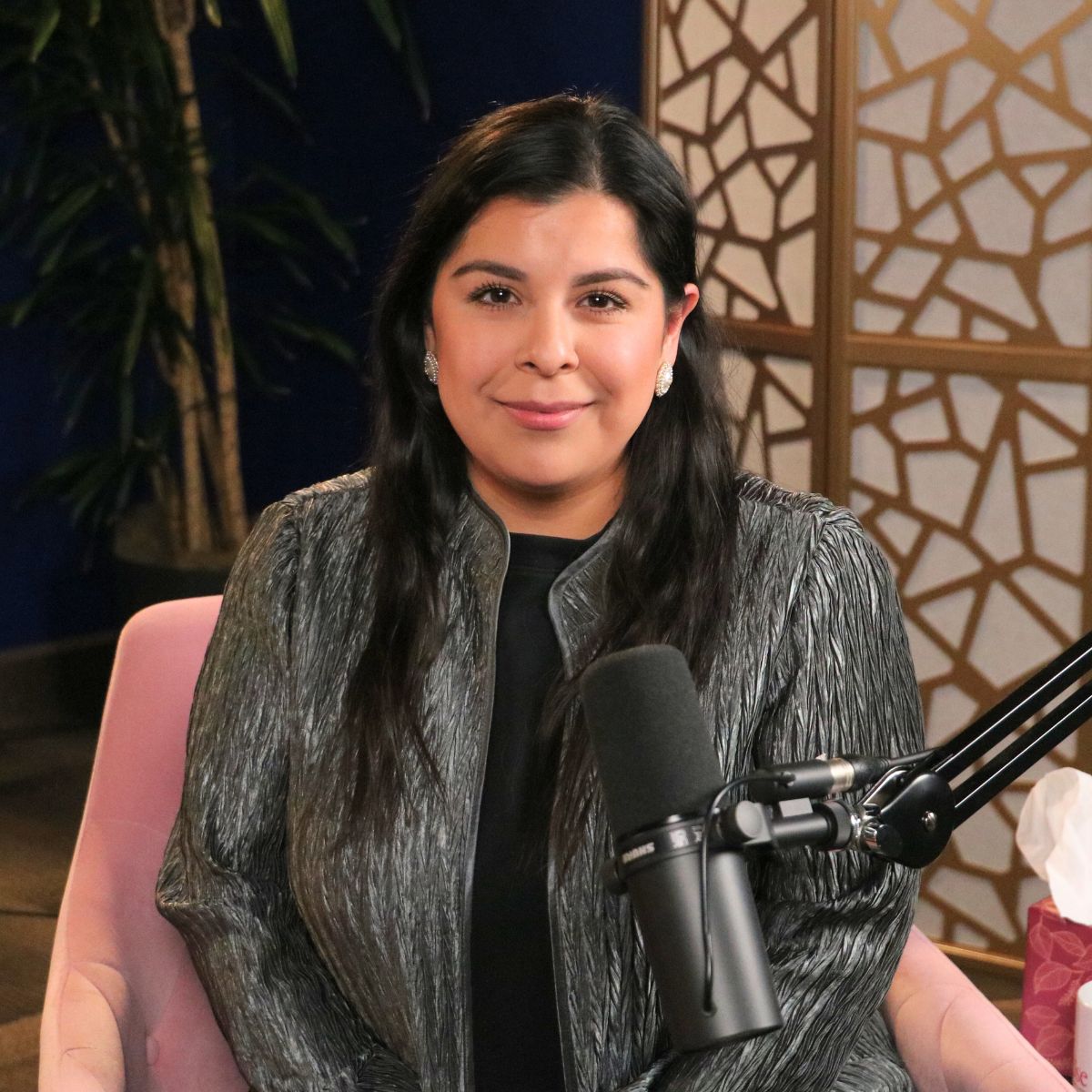
Dorothy: [00:00:00] Asking for help is never easy. Kathia Sanchez knows this because she sees it every day. As a manager at the Roses Southeast location, three departments fall under her leadership. Medical records, registration, and sponsorship. Kathia is a person who makes sure that every patient is taken care of. She’s the one that is there from the time you make that first phone call to setting that appointment, to coming in to all the other things that your medical records require. She understands what it’s like to have to ask for help, and she makes sure that all of our patients are handled with dignity, and most of all, compassion. One appointment could change your life or that of someone you love. So please schedule your mammogram and pass this episode along to someone who needs to hear it, and we so appreciate every time you go to therose.org and your support of our mission.[00:01:00]
Let’s talk about your breast, a different kind of podcast presented to you by The Rose, a breast center of excellence, and a Texas treasure. You’re gonna hear frank discussions about tough topics, and you’re gonna learn why knowing about your breast could save your life.
Kathia, let’s talk about your role here at The Rose.
Kathia: Yeah, so I am the center manager here at the Southeast location. I oversee three departments, which is the medical records department, the registration department, uh, which that includes our sponsorship and our call center.
Dorothy: You’ve always been in healthcare of some kind?
Kathia: Yes, yes, yes.
Dorothy: And I remember a story you told me about you had applied here a few years ago and didn’t get the job.
Kathia: Yes.
Dorothy: And now you’re back here as a, a supervisor, a manager. I mean, my goodness.
Kathia: I did. So I was going through my emails the other day and, um, I came across this email that I sent [00:02:00] Araceli, which is our um, Galleria manager and, uh, Jeanie, which is our imaging manager over there. And I was almost begging them for a job as a scheduler. And of course I didn’t get the job, but, um, 12 years later.
Dorothy: Here you are.
Kathia: Here I am at The Rose.
Dorothy: The Rose picked you, you at the right time.
Kathia: At the right time.
Dorothy: ’cause you were ready to be a supervisor.
Kathia: I was.
Dorothy: Yeah. And we are so, so pleased that you have come to be with us.
Kathia: Thank you.
Dorothy: Because you really have made a difference with our patients and our employees and you know, with your healthcare background, what do you. What have you seen that’s different here at The Rose?
Kathia: The Rose operates as a, from a place of mission, not profit. So when patients come here, we’re not only providing care, but we’re providing access to it.
Dorothy: And what does that mean to you?
Kathia: So we are removing our, all the barriers, you know, [00:03:00] language barriers we have most. All of our staff speak Spanish or other languages. So that’s a big plus. Uh, we have our sponsorship programs that, you know, removes those financial barriers. So, yeah. So we’re.
Dorothy: So speak to those just a little bit. ’cause I, I really want our listeners to understand how sponsorship works. I mean, I know, you know, the story that we decided to call it sponsored: a person sponsors an uninsured woman as opposed to saying, you’re giving charity care or you’re helping the indigent, or you’re, you know, we, we hate those kind of terms. We wanted that woman to understand some other individual was sponsoring her. So just explain the program.
Kathia: So the program, um consists of when the patient schedules an appointment, uh, we speak to the patient and we just review, you know, case by case. What are their financial barriers, uh, what are their [00:04:00] going through, any, any difficulties at home. And then we just go from there. We do have guidelines that we have to follow for, you know, certain programs that we offer. Um, but we give all of our patients, whether insured or uninsured, the same type of care. And, um, we respect every patient regardless of if they pay or not.
Dorothy: So some of the criteria has to be they meet that financial income level.
Kathia: Right.
Dorothy: Which is 200% on poverty. Which isn’t a whole lot, but you know, we have a lot of patients that meet it.
Kathia: Yeah.
Dorothy: Uh, I think it was over 8,000 last year. Yes. And they cannot have insurance.
Kathia: Right.
Dorothy: But you and I both know many of our women who eventually end up being sponsored start as a cash pay.
Kathia: Correct.
Dorothy: So why is it so difficult for someone to ask for help?
Kathia: Well, uh, i, [00:05:00] I think that asking for help is, is hard because you have to admit there’s a problem.
Dorothy: Hmm.
Kathia: And women are strong. Women are caretakers, they’re providers. So admitting that there’s something wrong, it’s like admitting that you’re weak, which is not the case. Um, so.
Dorothy: I never thought about it like that. Admitting that you’re weak.
Kathia: Weak, yeah. Which is not the case. It’s just you put everybody first and then you put yourself last because.
Dorothy: But you would ask for your child.
Kathia: Right. Right, right. And that’s where in, you know, putting yourself last. Because you, you feel weak. That’s the problem. Well, I feel like that’s the problem.
Dorothy: No, and well, you’re talking with the patient, so I trust that you adhere different things than I would think.
Kathia: Yeah.
Dorothy: But I know it, [00:06:00] it’s hard for anyone to ask for help.
Kathia: Right.
Dorothy: In a lot of ways. But this is, this has to do with your health.
Kathia: Right.
Dorothy: And maybe you’ve already found a lump or something’s wrong with your breast and you know it.
Kathia: Yeah.
Dorothy: So how, when you say we, we look at case by case, does that mean I get asked a whole bunch of questions?
Kathia: No. No. So I mean, we asked a, the, uh, guidelines. The questions that, that just depending on the program, but we try to understand what someone is going through first. We’re not asking, oh, well I need to see your last three check stubs. Now we try to, you know, ask the patient, um, what’s going on? Why are you seeking, you know, sponsorship? So we try to make a relationship with them first before we even mention our sponsorship.
Dorothy: So, you know, how do you relate to these [00:07:00] patients, to our patients? You personally?
Kathia: Well, I mean, I do relate to these patients because I know how difficult it is to navigate the healthcare system when, when it can be very intimidating. So I grew up, um, helping my parents, my mom, navigate the system translating. So some of these patients, when they call and they’re scared, they found a lump, you know, I feel like I need to guide them, educate them, and provide the best care for them.
Dorothy: So you see your, your mother sometimes, in our patients?
Kathia: Yeah, I do.
Dorothy: And, as a child, how did you feel?
Kathia: Oh, I mean, it was hard, you know, having to translate medical documents at the age of 10 and [00:08:00] advocating for my mom at the age of 10. And, you know, asking the doctor why does she need to have this done? And when, when I didn’t even know what it meant. So, um, yeah, it was. It was hard.
Dorothy: So what gave you that courage to do that? A lot of people don’t ask doctors questions.
Kathia: Well, I had no choice. No, we had no choice. So it was a language barrier. So, you know, I, I mean, I don’t know if back in the day if they had translating services.
Dorothy: No.
Kathia: Okay.
Dorothy: It wasn’t required.
Kathia: It wasn’t required.
Dorothy: Yeah. And so it wasn’t required. Guarantee it didn’t get done.
Kathia: Yeah. So here I was a 10-year-old. You know, reading results and, um, it was hard. It was, it’s sad to think, you know, that you had a child helping, advocating for an adult, but I’m proud of it because it [00:09:00] shaped me to be the woman that I am now.
Dorothy: That’s so true. And we have that happen sometimes.
Kathia: Yes.
Dorothy: Even though we have Spanish speaking and sometimes it, it’s the. It’s more than just the language. It’s the healthcare.
Kathia: Right.
Dorothy: That is so hard to understand. Why do I need to do this?
Kathia: Right. Right.
Dorothy: You know what, why am I having to go have another test? What, what have you found when we haven’t found anything yet, but we still need to, to do it, and especially when we diagnose someone.
Kathia: Right.
Dorothy: So what happens then? I mean, I have no insurance. You know, I don’t speak the language, but now I have breast cancer, what happens?
Kathia: Right. So we have our patient navigators here, which, uh, they’re bilingual. By the time they get to the patient navigators, they, the navigators already know their their case. So, uh, what they do is they navigate the, the patient and find [00:10:00] resources for the patient to seek care.
Dorothy: And so that means that the way that we do it. And correct me if I’m wrong, but the navigator is sitting in the room with the doctor as the patient hears her diagnosis.
Kathia: Correct.
Dorothy: So that patient knows that person’s gonna be with them from then on.
Kathia: Correct. Yeah.
Dorothy: And then she helps her fill out paperwork for whatever program.
Kathia: Right. Yeah. So the navigator will help the patient with all the paperwork, all the applications if needed, and then just follow up.
Dorothy: And many times those applications are an incredibly detailed.
Kathia: Yes.
Dorothy: And sometimes our navigators have to help them find the documents that, that are required for the treatment programs.
Kathia: Right.
Dorothy: But believe me, we get ’em into treatment one way or another, we’re gonna find a way to get ’em in. Yeah. So I think that would be very scary to suddenly have to come up with a lot of legal sounding [00:11:00] documents.
Kathia: You know, one good thing about our navigators is that, like I said, yes, they’ll help the patient get through treatment. But they will follow the patient throughout treatment and then after as well.
Dorothy: In case they, they also have many resources.
Kathia: They do.
Dorothy: Knowledge about help with rent, help with food.
Kathia: Right.
Dorothy: Help with childcare. Yeah. So all of those things are needed when you’re having to go to doctor’s appointments and you know, no matter what, cancer is very expensive.
Kathia: Right.
Dorothy: Just even, even having to go to a hospital or to the doctor’s office every other week or something. It’s really, it’s really difficult and so many of our women work. That’s one of the things that people are surprised when I say, well, no, they’re working. It’s hard for them to get off work. I mean, that income means a lot to the family. So how do you, in, what do you actually say to someone when they go, oh, I, I, I [00:12:00] don’t wanna take that time or.
Kathia: Well, I mean, like I said, you know, women are providers, they’re caretakers. So they have no choice. You know, they have to do it.
Dorothy: So you might reschedule someone three and four times. Before they can get off work or.
Kathia: Oh, no, no. So we do have programs that, um, offer assistance. So if they need to come in, if they don’t have a vehicle, if they don’t, you know We have pro, we’ll find a way. And that’s how, that’s why I say The Rose offers access to care. We’ll find a way to bring it to you, or, or, or you come to us.
Dorothy: Right.
Kathia: Yeah. Through our mobile program.
Dorothy: Tell us what, what do people ask about when they call for an appointment?
Kathia: Most of our patients call and they’re just asking, I mean, of course, cost and, but they wanna be educated. What’s a mammogram? What, [00:13:00] what radiation? How am I exposed to radiation?
Dorothy: How do you explain a mammogram?
Kathia: Well. It’s kind of hard to explain when I’ve never had one myself.
Dorothy: Oh my gosh. You’re just a child. I know, I know, I know.
Kathia: Yes. But.
Dorothy: But you, you’ve seen the process, right? You know the process.
Kathia: Of course. Yes, yes. So we, we explain it to them, and all of our call center is very well trained on, you know, how to educate the patients. Of course, we don’t give them medical advice. Right?
Dorothy: Right.
Kathia: But, um, we let ’em know, Hey, this is the process is how, how, how it works, how to prepare for it, and just make ’em comfortable.
Dorothy: So how do you explain the difference in a screening and a diagnostic?
Kathia: So. What we tell the patient a screening is just to prevent, to check, to see if there’s something wrong. Um, whenever you get a diagnostic done is we’re focusing on a specific area and we wanna see if there’s something really there that [00:14:00] we saw during your screening exam.
Dorothy: And of course that lady may have found something herself.
Kathia: Right.
Dorothy: Or been to a doctor and they said, oops, you need to go get a mammogram.
Kathia: Right.
Dorothy: So that’s kind of hard. It’s hard for anyone to understand why it’s a mammogram, why is it different. But of course, in the diagnostic, uh, mammogram, the doctor is there.
Kathia: Right.
Dorothy: And looking at the films, looking at it in real time. And a lot of times a woman will need an ultrasound.
Kathia: Right.
Dorothy: With that, in that procedure.
Kathia: Yes. So, yeah, so the, the physician, the doctor will be there with them, you know, just guiding them through it. Um, same as a biopsy. Um, and just giving them real, real time results.
Dorothy: Right. They’re not gonna have to wait on this.
Kathia: Versus the screener.
Dorothy: Yeah.
Kathia: Where, you know, the doctor has to read it and it takes a couple days, so, yeah.
Dorothy: Okay. So you’ve been very involved in a new system that we have installed. Tried to implement. [00:15:00] Still implementing.
Kathia: Right.
Dorothy: But tell us why that’s gonna be so important to the patient.
Kathia: So once it’s fully ready to go um, the patients are gonna be able to see, uh, real time appointments, um, they’re gonna be able to schedule that through our online system. Um, they’re gonna see shorter wait times at the centers. Um, and, um.
Dorothy: Can they do their sponsorship stuff on it?
Kathia: Uh, we don’t know yet.
Dorothy: Okay.
Kathia: That’s something that’s.
Dorothy: We still might need to have that personal one-on-one call.
Kathia: Yes. Right. Just because it’s more of a creating a relationship with the patient when we’re talking to them.
Dorothy: They’ll have their own portal.
Kathia: They, they will. Yes. So they will be able to see results. Um. For screeners and, uh, previous appointments, insurance information and all that.
Dorothy: They’re not gonna have to refill out that piece of paper every time they come in.
Kathia: Maybe, maybe.
Dorothy: Well, we always have to get [00:16:00] updates.
Kathia: Yeah. Yeah. So it’s an every year thing. Um, that’s just, you know, compliance, um, but it’s once a year. And it shouldn’t be as bad.
Dorothy: Should Yes.
Kathia: Yes.
Dorothy: True. Well, and you know, it’s amazing how many people suddenly have a history. Of a family history.
Kathia: Right.
Dorothy: Their sister or their mother was diagnosed, or they may have had personally something change that we need to know about. So yeah, it’s just like with any doctor’s office.
Kathia: Yeah.
Dorothy: No, you have to do updates. I know.
Kathia: Yeah. And, and it’s sometimes it feels like, ugh, pa more paperwork. We need to know what’s going on. We don’t know the patient.
Dorothy: Right.
Kathia: So the little bit that the patient gives us that that’ll guide us to, Hey, maybe we need to look at this. Maybe we need to look at that.
Dorothy: So are you excited about this new system?
Kathia: I am, I am.
Dorothy: And it has impacted every one of your departments?
Kathia: It .Has
Dorothy: and probably almost all the departments that we have.
Kathia: Yes, yes, yes. Um, our departments are resilient [00:17:00] and they are hard workers. Um, and we’re just getting used to it now.
Dorothy: So how, how do you encourage your employees?
Kathia: Well, it’s, it’s new. It’s new, so. Learn something new. It’s modern. It’s better for the patients. It’s easier for us. I mean, you have to give them a little push sometimes, but it’s going well.
Dorothy: So education’s always been important to you?
Kathia: Yes.
Dorothy: And I know you recently received a scholarship to continue your education.
Kathia: I did.
Dorothy: So what do you ultimately want to do?
Kathia: Well, I wanna keep on building strong teams, um, here at The Rose. Um, I wanna be able to lead strong teams, uh, people that have compassion, uh, people that understand others and that follow our mission. That’s my ultimate goal.
Dorothy: What [00:18:00] is it that you wish for your own daughters? I mean. You had a very different kind of childhood.
Kathia: I did.
Dorothy: Your parents did not speak English and you had to be the translator for many things, not just healthcare. Yeah, I’m sure. So what, what it is you wish for your daughters?
Kathia: Well, I mean, I tell ’em all the time, they don’t have it easy. Okay. But. They have it easy in a way where they don’t have to advocate for themselves. I’m here.
Dorothy: Right.
Kathia: For them. So I do hope my ultimate goal is for them to, when they’re older, to be able to speak up if they have questions, speak up, put their health first, um, and advocate for themselves. Always, always.
Dorothy: And even with all that, you know, is that still hard for you as for yourself At times?
Kathia: Yes, it is. I mean, even here, [00:19:00] working here, you know, sometimes I feel like I put myself last because my employees or my patients. But um, but yeah, it’s always in my mind.
Dorothy: Of course, you’re surrounded by a lot of strong. Uh.
Kathia: Very.
Dorothy: Shall I say, hardheaded or, uh, determined women?
Kathia: Yes.
Dorothy: Yes. Good for mentors.
Kathia: Yes, definitely.
Dorothy: Uh, challenging to work with sometimes.
Kathia: Many. Many, yes. Yes. Yes.
Dorothy: Yeah. So, what is, what message do you want to say to anyone who feels like they need a mammogram?
Kathia: Well, preventative care saves lives.
Dorothy: Ah.
Kathia: So put yourself first. It’s not selfish.
Dorothy: Hmm.
Kathia: Get your mammogram. Save yourself.
Dorothy: But why? Why the mammogram? I mean. So few [00:20:00] people realize that it’s a very needed annual exam.
Kathia: I don’t know if it’s an age thing where talking about breasts was very taboo. Um, so I feel like many women don’t think that nothing happens in the breasts, which is not the case. So. Yeah, they might check their annual physical for anything else, but.
Dorothy: A well woman or Yes.
Kathia: Or well womans, yeah, but they never think about the breasts, which is not good.
Dorothy: Even with all the awareness we have. Hmm.
Kathia: So.
Dorothy: It’s kinda like we’re fighting the same battle.
Kathia: Right.
Dorothy: And is it hard to educate your own staff about breast care and what’s involved?
Kathia: It. It can be because again, I, I’ve never had a mammogram before, but we do a lot of continuing [00:21:00] education and we try to learn everything that’s out there, you know, on breast cancer and all that so we can educate our patients.
Dorothy: What other, uh, message would you send, especially to someone who does not speak English, how would you encourage them to call us or get it done?
Kathia: Well, I would say don’t be scared. I know it’s easy to say, but here at The Rose, like I said, we remove all those barriers or we try to remove all those barriers. Uh, we have assistance.
Dorothy: Go over those barriers again. What are they?
Kathia: Yeah, so language barriers.
Dorothy: Okay.
Kathia: Transportation barriers. Um. Financial barriers. So transportation. We have a mobile. We’ll come to you. You know, financial barriers. We have sponsorship programs. We have payment plans. Um, and then language barriers. We have the staff that speaks Spanish. And if, if it’s another language, we have translation services.
Dorothy: But one thing you [00:22:00] can’t teach is that compassion. How do you, how do you know when you’re hiring someone? Whether or not they’re gonna fit in?
Kathia: Well, you know, most of my staff has either gone through some type of cancer or they disclose, Hey, I am. I wanna be here because of your mission, because of this, because of that. So most of my staff is compassionate because they’ve either gone through. Something similar or one of their family members have gone through something. So everybody understands when that patient’s calling, when we’re picking up that phone, Hey, I’m scared I found a lump.
Dorothy: That is so important. And even to be able to say it.
Kathia: Yeah.
Dorothy: Hmm. And especially to, to know that the person, the person on the [00:23:00] other side of that phone is really able to understand you.
Kathia: Yeah.
Dorothy: Yeah. So this coming year, you have a lot of things going in a new system, a new way of serving our patience and continuing with that mission. Like, like we have.
Kathia: Yes.
Dorothy: Well, it has been a joy to have you here today, and I know that you have, uh, many, many patients call it, it, it’s something like six, 7,000 a year, isn’t it? Just, I mean, a month,
Kathia: A month.
Dorothy: Just, just to
Kathia: Yes, yes, yes.
Dorothy: To the call service.
Kathia: Yes.
Dorothy: So if anyone calls and for some reason it takes a little while to get through, just keep trying.
Kathia: Yes. Definitely.
Dorothy: That’s another message we really wanna send out right now while we’re in this transition phase.
Kathia: Yes, yes, definitely.
Dorothy: Anything else?
Kathia: Um, nothing else. Just schedule your mammograms. I’ll be waiting for your call.
Dorothy: Ah, good. Thank you.
Kathia: Thank you so much for having me.
Post-Credits: Thank [00:24:00] you for joining us today on Let’s Talk About Your Breasts. This podcast is produced by Speke Podcasting and brought to you by The Rose. Visit therose.org to learn more about our organization. Subscribe to our podcast. Share episodes with friends and join the conversation on social media using #LetsTalkAboutYourBreasts. We welcome your feedback and suggestions. Consider supporting The Rose. Your gift can make the difference to a person in need. And remember, self-care is not selfish. It’s essential.