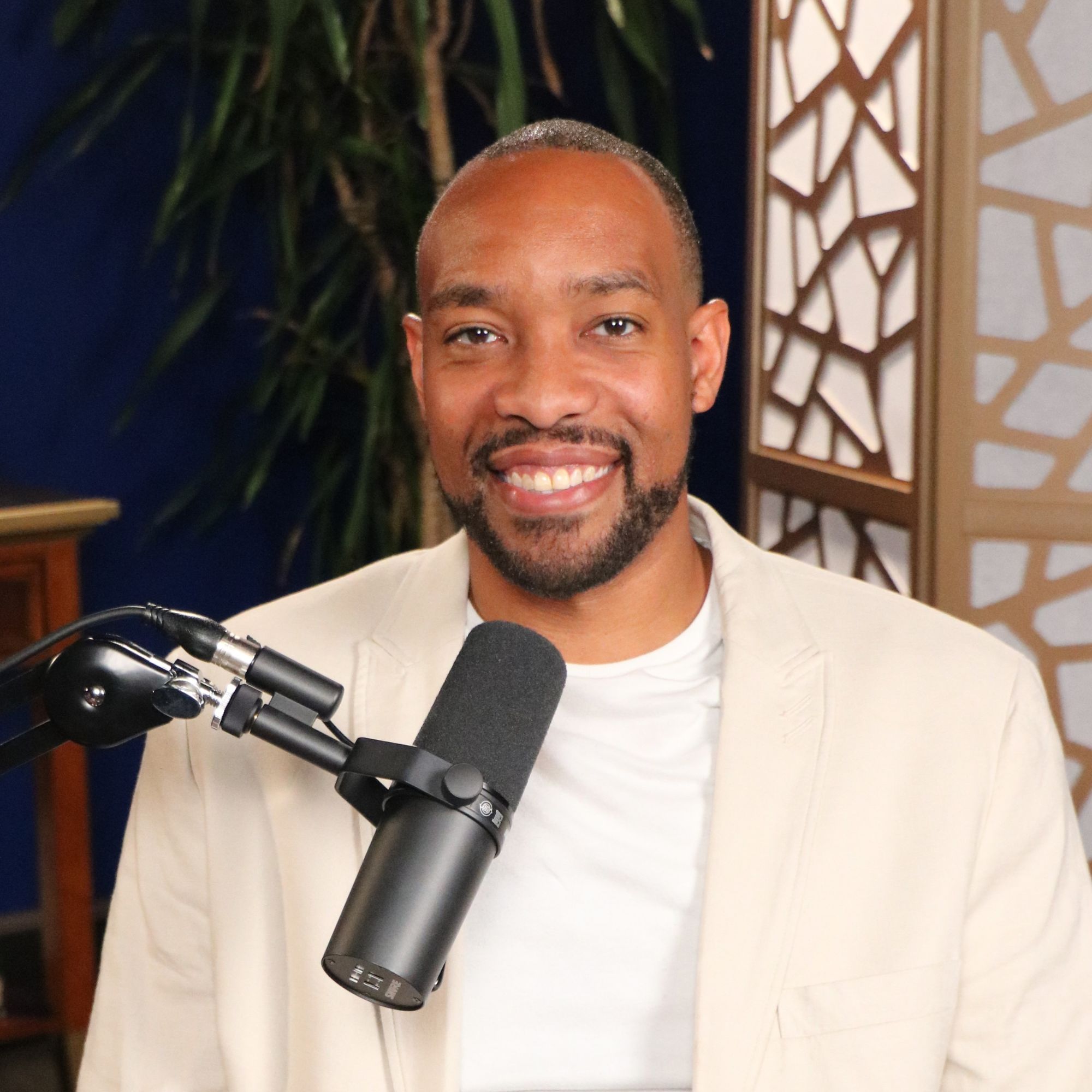
Dorothy: [00:00:00] The Cancer Prevention and Research Institute of Texas, or as we call it, CPRT, is unique. It is a program that was voted on by the people of Texas and it strives to tackle cancer, all different kinds of cancer on multiple fronts. Today we are delighted to have Carlton Allen, who is the program manager for prevention at CPRT, talk to us about all the different things that CPRIT is doing. He shares his journey from being a public health person totally involved in public health and population health to a leading role that he has now with CPRT. We’ll also discuss how Texas supports groundbreaking research and prevention strategies that will impact communities across our great state.
When you subscribe to our show, you help us grow. Someone you know may need to hear this story, so please share with your family and friends and consider supporting our mission at [00:01:00] therose.org.
Let’s Talk About Your Breast, a different kind of podcast presented to you by The Rose, a breast center of excellence, and a Texas treasure. You’re gonna hear Frank discussions about tough topics and you’re gonna learn why knowing about your breast could save your life.
Carlton, it’s so great to have you here with us today. Thank you for making the journey all the way to Houston from Tyler. My goodness.
Carlton: Of course. Thank you for, for having me. This is, uh, a wonderful opportunity.
Dorothy: So, so tell me, I’m really interested in how you got into public health.
Carlton: I think like most individuals, my generation, I was very interested in direct patient care. And during my undergrad and, and really during my grad school, that’s kind of where I dabbled into public health and, and global health and, and really fell, fell in love with, you know, the, I guess the population health aspect and, [00:02:00] and not just treating one patient, but treating a whole community or, or working with the whole community.
Dorothy: So is that the big difference that you’re, you’re looking at it on a much broader scale?
Carlton: I think so. I think so. I, pub- public health seems, seems to focus more on, you know, what we’re doing as a, as a as as a whole, as a public. So, yeah.
Dorothy: And where did you, because I, I saw when I was looking at your, uh, resume and all, I thought, my goodness, you’ve been in this almost all your life!
Carlton: A little bit. Yeah. So I went to, uh, undergrad in, uh, Michigan. That’s, that’s where I was born and raised. And so my undergrad is from, um, Grand Valley State Uni, uni University, which is, uh, in West Michigan. And then I went to grad school at the University of Texas at tyler, uh, which is in Tyler, Texas, so East Texas for, for those Texans.
And then right after grad grad school, I had an opportunity to work at our local, uh, [00:03:00] hospital, our academic health science center. Um, and I’ve been working there, or I, I, I worked there for 10 years. Started off, uh, working with, uh, community health workers and, and patient navigators and trying to integrate them into our clinical operations. Um, and, and really teaching our staff how to best use, uh, use, use them. And then I had an opportunity to manage a colorectal cancer screening grant that we, that we had, and then kind of the rest is history of, of how I’ve been in this, this cancer field.
Dorothy: So were you able to really bring in the CHWs and, and really get them within the whole framework of the hospital or the, the sitter?
Carlton: We were, it was a learning process for everyone at the time. This was 10 plus years ago. People really didn’t know what a community health worker was and, and how to use it, um, or, or, or how to [00:04:00] use one. And so we had to train the staff about, you know, how community health workers operate, what they could do.
Um, we had to make sure that all of our community health workers were, were prop- properly trained. But by the end of, of the project, a lot of the clinics that, that we had ingrained the community health workers in, uh, they were, they were asking us either for more or, or when their community health worker wasn’t, wasn’t there. They, they, the clinic wasn’t operating correctly. So they became an integral part of, of, of our operations. Yeah.
Dorothy: They are so important, but we still don’t have funding for ’em.
Carlton: No, no. Unfortunately not.
Dorothy: I mean, what is it gonna take really? You know, social services started the same way. Social service workers. Same way. They were volunteers or then they were hired at a very basic type job. But never were they er reimbursed through the, uh, programs forever. I just can’t imagine. [00:05:00] And this is national. This isn’t just Texas. It’s national.
Carlton: Yeah, it is. It is a problem that other states, aside from Texas are, are having of, of how to have these highly effective, highly trained workers that, um, really impact a patient’s care and, and you know, in ensuring that they are navigated through the system how to, how to actually get re reimbursed for the work that they’re doing, because it’s not always, you know, direct, and it’s not always like direct, direct clinical. There’s some, they’re out in the field. They’re, they’re doing other things to make sure the patient shows up on, on time and, and making sure that they have all, all that they need for their appointments and, and things like that.
Dorothy: No, and no shows in compliance or two of the biggest issues we all deal with.
Carlton: Exactly.
Dorothy: It doesn’t matter.
Carlton: Exactly.
Dorothy: It just still doesn’t make sense. We have patient navigators, that’s what we call our community health workers. But I mean, they’re street savvy. They, they have the [00:06:00] language to speak with whom they’re caring for.
Carlton: Yeah.
Dorothy: And, and it’s not just having a bilingual or any of that kinda stuff. It’s knowing the words to use.
Carlton: Yeah.
Dorothy: And being able to meet them at their own level. I just, it doesn’t make sense.
Carlton: No, it really doesn’t.
Dorothy: Mm-hmm. So talk to us about the Cancer Prevention Research Institute of Texas.
Carlton: Yes.
Dorothy: Which we call CPRIT and some call. Don’t they say it another way. I’ve heard other people say it.
Carlton: More than that, I’ve, I’ve heard CPRIT, but some people call, say, uh, C-PRIT.
Dorothy: C-PRIT, right. So when I used it first, when I started talking about it, I’d say, oh, the CPRIT grant. People go, you’ve got a secret grant. I go, no, the CPRIT. And they, you know, my Texas accent sometimes and mess up these words, but boy, so, uh, but, but tell us what it is, because now you have a very important role with them.
Carlton: Yeah. So, uh, CPRIT is a, is a state organization. It’s the Cancer Prevention and Research Institute of [00:07:00] Texas, and it is a, a government organization that provides, uh, cancer funding for organizations across Texas. CPRIT has sort of three main arms. We have a, a prevention arm, and, and that’s the arm that I’m a part of. Uh, an academic research arm and a product development arm. And so currently my role is the program manager for prevention.
Dorothy: Mm-hmm. That’s a big role because that’s all prevention, right? I mean, it’s breast, colorectal, um, lung.
Carlton: Yep.
Dorothy: Tobacco.
Carlton: Cervical. Yeah. So, so you have the, the primary preventions, the secondary preventions. Um, which are your, your, your typical screenings that, that you mentioned, and then even tertiary, which is, uh, like survivorship.
Dorothy: Right? That wasn’t always part of the secret plan, I don’t think, and I It just morphed into it.
Carlton: Yeah. As I think priorities changed and, and shifted and we [00:08:00] learned, um, really how, well, you know, what was burning in Texas the most? That’s, I think, you know, CPRT has shifted with, with, with that.
Dorothy: Right? And this was something that the taxpayers voted for.
Carlton: Mm-hmm.
Dorothy: So it, it is. And correct me if I’m wrong, this is unique to Texas.
Carlton: This is unique to Texas. We are the only state that has something like, like, like this. Yes.
Dorothy: And it covers all kinds of preventions, um, testing. Texas, all the way through the diagnostics up until that treatment arm.
Carlton: That is correct. Yes.
Dorothy: And have they been exploring some treatment options for any of these?
Carlton: As part of our prevention grants, just like you’d mentioned, we, we fund diagnostics and, and navigation into treatment. Um, all of our grantees are, are required to have a plan for, for how, you know, if there is an abnormal test, how they’re going to. Get a patient into treatment because we, you know, we, screening is no good if, if [00:09:00] you, if you can’t treat ’em right. If, if, if something bad, bad happens. So we wanna make sure…
Dorothy: And that’s why this is prevention, this is why it’s called that.
Carlton: Exactly. Yes, exactly.
Dorothy: And, and I know for The Rose, our patients, we, we have to be part of a plan. We always have to provide that. We were, uh, and you probably know this, but when CPRT first became real and issued their first grants in 2010, we were one of those, and oh, we were so excited. I mean, it was. We had never had a grant that big, you know, our, our multi-year our gave us such flexibility to really reach out. Carlton, we would still be in our little seven counties and we’re now in 45.
Carlton: I know, it’s amazing.
Dorothy: Yeah. And, but we couldn’t have done it without, without CPRIT and, and the belief they had in our mobile program, which is how we, we go out and serve those areas.
Carlton: Yes.
Dorothy: So do the taxpayers have to, reapprove this every year or every other [00:10:00] year or?
Carlton: So, not every, every year. Um, just like you mentioned, CPRT was, was voted on in, in 20, uh, two, uh, 2007. Um, and it was, uh, voted on again or, or, or reaffirmed in 2019. So about every 10, 10 years that the taxpayers have to. Have to vote on, on making sure that we have enough allocated funds.
Dorothy: And so far the taxpayers have been very positive about the program.
Carlton: Very positive.
Dorothy: I think they can see it.
Carlton: Yeah.
Dorothy: Yeah. And I know you’re not in the research, but you know, it’s amazing to me that the funds that they’ve allocated to research have brought in some of the topnotch, most incredible researchers and have really made a difference.
Carlton: That is definitely one of the shining spots of our, of our, um, you know, of our whole organization, but in particular our academic research program is, is we have, uh, re recruitment grants. And, and so, uh, with those re recruitment [00:11:00] grants, organizations across Texas are allowed to recruit individuals from all across the nation, all, all across the, uh, world to do their research here in, here, in here in Texas. And it, yeah, that’s been phenomenal.
Dorothy: Oh, it has, it has really brought in some of the very best. And that is alone. That alone makes such a difference.
Carlton: Yes, yes. Agreed.
Dorothy: So in your day to day work, what is most frustrating?
Carlton: Probably that there is just one of me. It, you know, Texas is, is a large state, and so I would love the opportunity to be everywhere. Um, I would love the opportunity to visit all of our grantees, and on the prevention side, we have anywhere from 75 to 80 active prevention grant grantees across the state. Um, and so they’re, they’re doing phenomenal work all, all across the state. And, [00:12:00] you know, I, I sometimes get the chance to travel to, to see what they’re doing and, and, and to meet with their, their staff and to see the communities that, that they’re working in. But it takes a lot and, and, and I don’t, I don’t get to be everywhere, so.
Dorothy: No, no, you can’t. And we’re talking about programs in El Paso or in El Pa in the Rio area or, anywhere.
Carlton: Yep. In, in, uh. You know, from Brownsville, Texas all the way up to the Panhandle and yeah. As West is, as El Paso and as is east is, uh, Tyler. So.
Dorothy: Do you have a favorite?
Carlton: Do I have a favorite? Uh.
Dorothy: Oh, we won’t. We could eliminate this if that’s, I know, I know there’s 80 of them and.
Carlton: I do not have a favorite, but I will say before coming over to CPRIT, I was a previous grant grantee. And, and so the grants that are in, uh, Tyler that I, you know, had an opportunity to, to work with directly, [00:13:00] always kind of hit home with, with me and, and impact the community that I live. So I always like to you know, make sure that those shine and, and see the good work that, uh, they’re doing.
Dorothy: Oh, yeah, yeah.
Carlton: Yeah.
Dorothy: So in those communities, was it breast and cervical? And.
Carlton: We had a colorectal cancer grant for, uh, a long time, almost eight years. And then, um, we, they have a, a breast cancer screening grant, uh, that, that started a, a couple years, years ago, so.
Dorothy: Mm-hmm. You know, I think the, the most significant, uh, a statistic that we have found with our CPRIT grant is how many people have their first mammogram and, and, you know, screening’s hard enough, but, convincing people to go ahead and have that mammogram is a big deal. And that’s something that secret really encourages that we have outreach for that.
Carlton: Yes.
Dorothy: It’s almost a third of all our patients.
Carlton: Yeah. That, that is definitely something that, that we make sure [00:14:00] that our grantees are, are tracking and, and looking out for Is, is. Those individuals that have never had a screening before and are screening age, age eligible. Um, and it, and just like you mentioned, it is unfortunately quite, quite a bit that through one of our CPRT grant grantees, this is their, their first time getting, getting, getting screened.
Dorothy: And we’re talking low income and uninsured people, so.
Carlton: That’s right.
Dorothy: It’s not like they’d have another opportunity for this.
Carlton: Exactly.
Dorothy: At all. So besides the Tyler one, what do you think has been the most, or what area has secret been the most impactful?
Carlton: Oh, um.
Dorothy: And we can stay in prevention.
Carlton: Yeah.
Dorothy: I mean, you know, there’s, we know they have many many achievements.
Carlton: Yes, yes. Uh, achievements across the board. Um, as far as the prevention side, I really admire the work that we’ve done in the colorectal cancer space. We, we, we [00:15:00] have grantees all across Texas, um, that cover most of the counties and, and, uh, recently, um, just a couple years ago. We, uh, funded a colorectal cancer coordinating center, um, which covers all the Texas, but, but it was a way to, uh, kind of get all of our colorectal grantees together and, and, uh, figure out, you know, what they’re doing well and, and how they can, um, share resources and, and how they can collaborate and, and what else could they be doing to address colon cancer across the state. Um, I think, yeah, we’ve done a lot with colon cancer. Um, we’ve also done a tremendous job with HPV vaccinations and, and we have a number of grantees that are doing phenomenal work.
Dorothy: CPRIT was one of the first to really push that to and be behind it.
Carlton: Yeah. And, [00:16:00] and we actually just funded, uh, last year. Um, and HPV self collection in clinic, uh, for vaccinations, which was really, you know, it had just been FDA approved, so it was, it was kind of first of its kind and, and they’re doing great, great work in a federally qualified health health center. And, and yeah, that’s, it was, it was amazing.
Dorothy: Wow. Yeah. Wow. Well, you know, the, what this reminds me of is. Nobody really ever wants to talk about colon cancer. So CPRIT had to really put some resources behind just the education process.
Carlton: Yes.
Dorothy: Of that. And that is one of the top killers if you get down to it.
Carlton: Yeah. Right. Yeah.
Dorothy: And and it’s so easy to find.
Carlton: Yeah, exactly. Colon cancer, you know, happens to be one of those, one of the most, uh, preventable cancers because you can. Um, with a, with a [00:17:00] colonoscopy, you can essentially remove that cancer before it develops, um, by taking out polyps. Um, but yeah. Uh, with, with colon cancer, we had to educate the population about what it is, when to get screened, the different screening tests before we even, you know, said, Hey, come in for, colonoscopy or, or hey, do a, do a, do a stool, uh, stool test. So it was a lot of education, especially in those rural areas that, um, you know, don’t,
Dorothy: that’s just not something you talked about.
Carlton: No, not at all.
Dorothy: Right. Well, and, and really it kind of reminds me of what we went through in the breast world. Because there was so, so many myths and so many.
Carlton: Yeah.
Dorothy: You know, untrue stories and everyone had this idea that it was, you know, something. It wasn’t. So I think, I think we forget how important that education, that outreach is.
Carlton: Definitely.
Dorothy: Yeah. And [00:18:00] particularly with the male societies, the men who don’t wanna go anywhere anyway.
Carlton: Yes.
Dorothy: Was there any program that was really used, something very unique to make that happen?
Carlton: Males, they, they continue to be, uh, one of those harder to reach populations and, um. I was talking with some colleagues the, just the other day, um, about males that, that had developed cancer, whether it was colon cancer or uh, prostate cancer. And, um, them not feeling comfortable sharing that with friends or, or family, which, you know, has a direct impact with family because, you know, some cancers have genetic dispositions to, to them. And, and, and so if you’re not sharing that with your family, you don’t have an accurate family history. Um, and, you [00:19:00] know, you wouldn’t know if you needed to be screened early or more often. And, and yeah, it has a whole effect on, on the, on the family. And, and it’s unfortunate that, um. They didn’t feel comfortable or, or feel in the right mindset to, to share that di a diagnosis.
Dorothy: That is something, do you think we’ll ever crack that in it?
Carlton: I think so. I think men are becoming more and more comfortable and, and, and there’s, you know, men’s groups and, and programs and, uh, organizations that. Sort of help bring that out where, where they feel a little bit more, more safe. Um.
Dorothy: But we need the patient talking. Right?
Carlton: A hundred percent. Yeah. The, the patient, yeah.
Dorothy: We did all kind of stuff on male breast cancer, but until I had a male breast cancer patient survivor. Nobody paid attention. And then, uh, you know, it’s, to me that’s just extraordinary.
Carlton: Yeah.
Dorothy: How, how it changes when you’re hearing someone’s story.
Carlton: Yeah. That, that patient perspective is, it is [00:20:00] uncanny. Yeah. I mean, it is, it is something that every, every program should, should somehow have an aspect of, um, to, to help adopt their or a adapt their, uh, program.
Dorothy: Oh, yeah. Yeah. So tell us about the cancer plan, the Texas Cancer Plan.
Carlton: Yes.
Dorothy: I mean, this is a big deal. And you spearheaded it?
Carlton: I did.
Dorothy: Um, and you looked very stressed there for a while as you were creating it?
Carlton: I was, um, yeah. The, the Texas Cancer Plan, it is, uh, sort of like a roadmap for the whole state about what we should focus on, where we have the greatest burden, um, what our disparities are, our, our health disparities in regards to, to, to cancer.
Um, and it was, yeah, it was something that I, uh, had the opportunity to take on CPRT is, is tasked with, uh, helping develop that and, and, uh, helping to [00:21:00] implement that across the, uh, state. Um, and so, uh, yeah, cancer is. It is huge. It is. It is so much. And, uh, as I was working on this, uh, Texas Can Cancer Plan, which, uh this was the 2024 one. And there’s been previous, uh, additions, CPRT has, has been involved with the Texas Cancer Plan since 2012. So we, we, they created the 2012 one and the 2018 one.
Dorothy: Okay.
Carlton: Um, but yeah, this, this, this latest one is the 2024 Texas Can Cancer Plan. Um, and it involved a lot of, especially in the planning process, um. Uh, meeting with community members, stakeholders across the state to really try to figure out where we should focus, what, what our goals should be, what our objectives should be, how [00:22:00] it needed to change, what needed to be updated. It was a lot of work. Yeah.
Dorothy: Well, but you can see it in the plan. You can see that we actually, you actually had that input from the communities. But, you know, the other thing about it was, and of course you would do this, was to make it web-based.
Carlton: Yes.
Dorothy: Make it accessible.
Carlton: Yes.
Dorothy: You know, that thing used to be some kind of tome you were supposed to walk through, you know, you know what I’m saying? But it is easy and it’s, uh, readable. You know, you can grasp it. It’s, it’s not just a whole bunch of words.
Carlton: That is exactly what we, what we were, were aiming for, we wanted it to be accessible to, for everyone, and we wanted it to be at a level that health professionals that are in the cancer world and, and have been working in it for, for a number of years would understand it and, and, and can use it, but also those that were trying to see how their [00:23:00] organizations or uh, how their community can, can work towards these shared goals and, and objectives could also use it as well.
Dorothy: So it’s kind of a roadmap.
Carlton: Yeah.
Dorothy: Yeah. Mm-hmm. And it, it’s a very good one. I think everybody should at least know we have a plan. And that there is something in the background always working with all of your grantees, and that, that we have to align our goals with this, these bigger goals.
Carlton: Yeah. Yeah. That’s, that, that’s exactly right. Um, CPRIT continues to adapt or adapt their RFAs or our requests for applications based off of, you know, the greatest disease burdens in, in cancer and, and where we have the greatest health, health disparities. And making sure we focus on, um, you know, those counties that are, that are rural or that, uh, don’t have, you know, enough medical health professionals to, to address the, this, [00:24:00] this disease.
Dorothy: You know, in, in the area that we cover, half of the rural counties do not have any kind of mammography center or the women have to drive an hour and a half to get to, you know, the city that has has one. Nobody’s gonna do that.
Carlton: No.
Dorothy: I mean, if we don’t pay attention to those things, then we’re, you know, we have to take it to ’em.
Carlton: Yeah.
Dorothy: We have to make it available, accessible, convenient even. Folks just don’t take care of their health like they should
Carlton: have. No, unfortunately not.
Dorothy: So. I wanna talk about your mini executive assistants. This is like when you have a, a meeting with your group and we see these little people roll coming by. I have heard so much about them. You’re, you’re doing a lot of your work at home.
Carlton: Mm-hmm.
Dorothy: And you have children.
Carlton: Mm-hmm.
Dorothy: How many children do you have?
Carlton: I have three children.
Dorothy: Mm-hmm.
Carlton: Mm-hmm. I have, uh, my, my, my [00:25:00] son, his name is Luther. Uh, he is eight, eight years old. Um, then I have two daughters. Uh, Emerson is six and then Zara will be three, um, later in the end of april.
Dorothy: And I think when I hear some of the grantees talk, they’re just waiting, hoping one will walk by. You know, it’s kind of like the highlight of the meeting. I’m going, y’all come on. He’s trying to kill. Tell us something important here.
Carlton: Yes. They love to pop in to, to see who I’m talking to or, or what I’m doing. I’d like to say that I am, I’m, you know, training the next gen generation of, of health professionals. They, they, they get to see the work that I’m doing and I get to tell them a little, a little bit about it.
Dorothy: Yeah. I think that is great.
Carlton: Mm-hmm.
Dorothy: So how did you meet your wife, Christie?
Carlton: Yes, Christie. Um, we met in, uh, high school, actually. We’re we’re high school sweethearts we started dating in, in high
Dorothy: school. Oh my gosh. Mm-hmm. My goodness.
Carlton: Yes.
Dorothy: Well, and she did some work where you were working, [00:26:00] right? Or in the Tyler,
Carlton: So she works at, yeah, the University of Texas at, uh, Tyler. She is, uh, works in their psychology department. She’s a instructor and, and so she does, she teaches a number of classes. Like, uh, she has a love and relationships class, and she, she teaches intro to psych and, and things like that.
Dorothy: Interesting.
Carlton: Mm-hmm.
Dorothy: Does that, does she bring that home anytime?
Carlton: Of course. Of, of course she does.
Dorothy: So tell me, you get to be the test subject.
Carlton: Mm-hmm.
Dorothy: Oh, okay. Okay.
Carlton: Well, I, I, I get to hear, um. A lot of the lectures be before the students do. Sometimes she wants my feedback and sometimes she doesn’t.
Dorothy: She just wants you to hear it.
Carlton: Yeah, exactly.
Dorothy: Yeah. Yeah. That, that’s, that sounds pretty typical. So speaking of which, what do you, and, and I know you do a lot of volunteer work in the community, I, I was so impressive and you’ve been very active in key [00:27:00] roles with so many of the community programs. Which one do you like the best?
Carlton: Oh, which one do I like the best?
Dorothy: I’m not trying to put you on the spot. Yeah, but there has to be some, you know, your passion for healthcare is very obvious. I mean, you know, so I’m curious what generates that.
Carlton: I. I find it very rewarding to be involved with my community, to, to be involved with where I live and where I work. When I was working at the hospital, that was one of the, one of the, the things that I tried to, in ingrain in, in the, the team that I had back then is, is I said, you know, we’re working in this community. We’re, we’re doing a lot of great work helping screen people, but I encourage them to also be a part of that community and, and to find ways to volunteer outside of work and, and what, and what they were doing.
And, and I think they, you know, they, they actually loved that. They had never really had that [00:28:00] opportunity before and it was something that they took full advantage of. And, and, you know, oftentimes we would volunteer as, as, you know, a whole team or, or, or part of our, our team would, would, would do something. Um.
Dorothy: But, but you know, not only do you serve that way, but you gain the trust of that community.
Carlton: You gain the trust of the community, you get to learn the community. And, and see the community. And, and I think that was what made us probably the most successful is, is, we were able to gain the trust of the community and, and I mean, we were, we were a part of the, the community. People, people knew us. Um, you know, we, we, uh, at the time part of our edu education strategy was we had a, a giant inflatable colon that people could, could walk through and, and see polyps and see what colon cancer look uh, looked like, and, uh, and so people knew, oh, tho those are the people with the blowup colon. And, and yeah. [00:29:00]
Dorothy: But still, you used some, a very different way, a very unique way of teaching.
Carlton: We, we, we tried to be innovative. Yes. Mm-hmm.
Dorothy: Mm-hmm. So with your training, this next generation
Carlton: Mm-hmm.
Dorothy: What do you, what values do you wanna leave your children with?
Carlton: I want them to, you know, to be hard, hardworking. I want them to, to see what that hard work looks like. Um, I also want them to have a sense of who they are and, and, and by that I mean where they live and, uh, the community that, you know, is going to help raise them going to, you know? Mm-hmm. They. They go to school in the, in east Texas. They, they play in East Texas. You know, I have friends and, and and family that, that help raise them and, and, and are surrounded, you know, that they’re surrounded by. So, um, [00:30:00] I, I really hope that they feel, you know, comfortable and, and really, uh, a sense of of, of family in, in, you know, in our area.
Dorothy: Boy, so many children really don’t know that.
Carlton: I know.
Dorothy: And that is so important. Let ’em be themselves and be a child for a while.
Carlton: Yes, exactly. Exactly.
Dorothy: Yes. Protected and cared for.
Carlton: Yeah.
Dorothy: Well, anything you want to tell our listeners, CPRIT, Cancer Plan, Carlton?
Carlton: Uh, yeah. You know, just like you mentioned, I think, I think everyone should, should know that there is a, uh, a Texas can, uh, Cancer Plan and, um, it’s, uh, available. You can find it on our website, but it’s, uh, Texascancerplan.org. Um, and you know, I love the opportunities to, to talk about it, to, to see, um, what [00:31:00] programs are, are doing to help address our, our goals and objectives and, and help us, you know, actually make meaningful change. And, um, I. You know, I’ll continue this, uh, Texas Cancer Plan Road show that I’m doing now, now that it’s done, and, and yeah. Love to talk about it.
Dorothy: Well, we’re so glad you came today to talk to us about it.
Carlton: Thank you.
Dorothy: This is great.
Carlton: Thank you.
Dorothy: Thank you so much.
Carlton: Of course.
Post-Credits: Thank you for joining us today on Let’s Talk About Your Breasts. This podcast is produced by Speke Podcasting and brought to you by The Rose. Visit therose.org to learn more about our organization. Subscribe to our podcast. Share episodes with friends, and join the conversation on social media using #LetsTalkAboutYourBreasts. We welcome your feedback and suggestions. Consider supporting The Rose. Your gift can make the difference to a person in need. And remember, self care is not selfish. It’s essential.