
Grounded in Purpose, Growing Through Change — Our FY25 annual report is now available. See Report
Episode 502

Breaking Cultural Taboos: A Breast Cancer Survivor’s Story in the South Asian Community

Date
June 11, 2026
Topic
Speaker
Listen
Share This Episode

Episode Summary

How do you talk about breast cancer when it’s something your community rarely discusses, sometimes because of culture, sometimes because of faith, and sometimes just because it’s hard?

Salima Hirani faced breast cancer not just as a patient, but as a mother, a daughter, and someone who knew the taboos around speaking up. In this episode:

  • You’ll hear how Salima found her own voice in a world that often keeps silent.
  • You’ll learn how faith and culture shape conversations about cancer in the family.
  • You’ll find out how sharing your story can help break stigma and help someone else feel less alone.

Subscribe to Lets Talk About Your Breasts on Apple Podcasts, Spotify, iHeart, and wherever you get your podcasts.

KEY QUESTIONS ANSWERED:

1. How did Salima first discover her breast cancer and when was she diagnosed?

2. What was Salima’s initial reaction upon being told she had breast cancer?

3. How did Salima share her diagnosis with her children and what were their reactions?

4. What was Salima’s treatment journey for breast cancer?

5. How did Salima’s children support her during her cancer journey?

6. What taboos or social challenges did Salima encounter in her community regarding breast cancer?

7. Why do some women in Salima’s community avoid breast cancer screening or mammograms?

8. How does Salima recommend supporting other women facing a breast cancer diagnosis?

9. What advice does Salima offer to her community about breast cancer awareness and prevention?

10. How does Salima view the importance of forming support groups and community awareness initiatives?

TIME STAMPED OVERVIEW:

00:00 “Breaking Taboos on Breast Cancer”

06:05 Cancer Chart Reviewer Experience

07:59 Quick Errand Across Street

10:19 Single Parent’s Concerns for Kids

13:26 Sibling Misunderstanding Spurs Emotions

17:48 “Nurse Overcomes MRI Anxiety”

21:06 “Personal Choice for Peace”

26:10 Private Strength Amid Diagnosis

29:23 “Prioritize Health Screenings Now”

31:12 Silent Support Network

34:41 Engaging Older Generations in Health Conversations

38:38 Addressing Health Concerns Early

39:51 Silent Struggle: Family’s Cancer Journey

43:42 Breast Cancer: Treatable at Any Stage

49:08 Empowering Dialogue for Women’s Health

52:58 Breast Cancer Warriors Unite

Episode Transcript

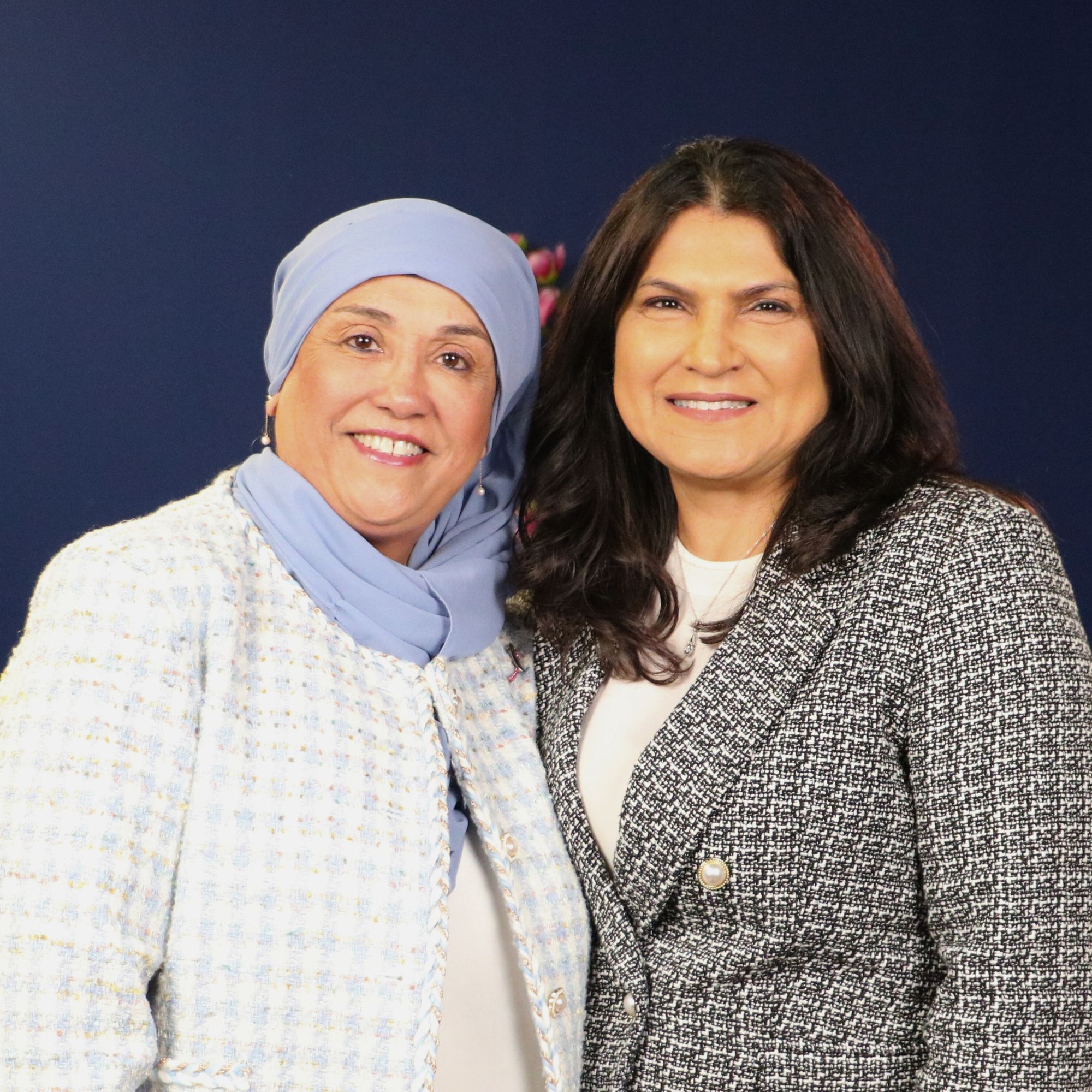
Dorothy: [00:00:00] Today we have a guest host and I’m so delighted that Ashma Moosa, who is on our board and has been for many, many years, is sitting in on Let’s Talk About Your Breast, and she is interviewing another breast cancer survivor, Salima Hirani. Salima talks openly about the taboos surrounding the sexual organs when they are in some kind of disease or needing a treatment and how important it is to really be able to talk to the community, to educate women, to talk about it, to have someone who’s there to listen to you, I think we’re gonna learn a lot. But the one thing I learned in this episode was the fact that all breast cancer survivors are warriors and they can never take a step back.

When you subscribe to our show, you help us grow. Someone you know may need to hear this story, so please share with your family and friends and consider supporting our mission at [00:01:00] therose.org.

Let’s Talk About Your Breast, a different kind of podcast presented to you by The Rose. A breast center of excellence and a Texas treasure. You’re gonna hear frank discussions about tough topics and you’re gonna learn why knowing about your breast could save your life.

Ashma: Salam Malek Kum Salima, welcome to our podcast at The Rose, and I wanna thank you for coming out and sharing your story with us today.

Salima:  Salam Malek Kum Ashma, I’m happy to be here and feel honored that you request you, you asked me to come and share my story. And I will give you each and every bit of it so we can make sure that people know how important it is.

Ashma: Absolutely.

Salima: So I’m excited.

Ashma: Yeah. How long has it been since uh, you are cancer free?

Salima: So I was diagnosed in, um, [00:02:00] October of 2015. So this October it’s gonna be 10 years.

Ashma: Wow. Okay. So it’s been 15 years for me, so.

Salima: Congratulations.

Ashma: Yes.

Salima: You’re a survivor.

Ashma: So that makes us, uh, survivor sisters.

Salima: Yes, absolutely.

Ashma: So can you tell me a little bit about, um, how and where your journey started with cancer, when the first time you were told that you have breast cancer?

Salima: I would start a little further than that. I was in nursing school back home in Pakistan. And I finished my degree in 1998. And going through the nursing journey, uh, you start learning about everything, of course cancer, and I was doing myself breast examination and I felt a lump. So I went to Dr. Shaista that was in Aga Khan University Pakistan. And she examined me and she said it was fibroid normal, nothing [00:03:00] to worry about.

Ashma: Okay.

Salima: And just keep an eye when I get pregnant. The lump is gonna get bigger.

Ashma: Hmm.

Salima: And eventually it should come down back to its normal size. If it doesn’t, I need to worry about it. So fast forward I, in 2007, I was palpating my breast, doing self-examination after my, my, my menstrual cycle. And I felt the the lump was a little bigger, so went and got an examination done. They looked at it, still diagnosed with fibroadenoma, but I was anxious because I was growing older. My hormones are changing my, I had three kids. It’s just, it stayed in my mind.

Ashma: Can I ask you, when did you first feel the lump? How old were you?

Salima: I was 19.

Ashma: You were 19.

Salima: I was 19.

Ashma: Oh, okay. And then thereafter you did your other exam and you felt it.

Salima: Right. So in 2007 I said, [00:04:00] I need to get this done. I went and had excisional biopsy done. Which came out fibroid, so I was happy, right? But to begin with, when there were testing, um, doing mammograms, they found out that my breasts were very dense.

Ashma: Of course.

Salima: Yeah. And I had a couple of fibroadenomas. But I had to keep an eye on it. And I kept following mammogram every year. In 2013, it seems like I was getting more of those fibroadenomas.

Ashma: More, spreading more in.

Salima: Yes.

Ashma: Was it from one breast to the other or just.

Salima: So both were dense. Both had fibroadenomas. But I had an excisional biopsy done on the right. Now I started feeling more defined fibro adenomas. So I said, okay, what should I do? So I went back being in, being at UTMD Anderson.

Ashma: Right.

Salima: As a nurse.

Ashma: Right.

Salima: I scheduled my appointments with them.

Ashma: Okay.

Salima: So they started following me with mammogram and [00:05:00] with ultrasound, and they said we have to do it both to make sure that it doesn’t change.

Ashma: Right.

Salima: So in 2015, in July, I had my ultrasound. That was my last ultrasound, and they were gonna move me to only having mammograms.

Ashma: Okay.

Salima: In September. I was visiting my daughter in Boston. She was in school. So we had friends and family weekend and that week I felt something very superficial.

Ashma: Okay.

Salima: And I said, Hmm, little different…

Ashma: Doesn’t feel right.

Salima: …that deep.

Ashma: Yeah.

Salima: It’s moving. So I went to see my daughter and I told her, I said, Hey, I’m feeling something. But you know, I’ve been through so much. It’s fibroid. No, I nothing to worry about. And she goes, mom, I’m worried. I said, yeah, you are worried I’m too, but it will be nothing.

Ashma: Right.

Salima: So. Went back home and, um, I had a coworker who had just transferred from REST oncology clinic to us because I [00:06:00] was now working behind the scene reviewing charts.

Ashma: Okay. More administrative kind of?

Salima: Right.

Ashma: Okay.

Salima: So I was with, uh, um, with MDA Anderson, but a company called Physicians Network. Where we were reviewing charts from different, uh, hospitals in different states. So we, I would review charts for rest. Colorectal cancer, prostate, lung cancer, GYN cancer, like I was reviewing charts to make sure those physicians were following national guidelines to treat their patients.

So one of my coworker had moved just from breast clinic to us in the administrative role. So when I got to work, I said, Hey, do you mind checking my breast? And she goes like, yeah. You Sure? Yeah. Why not Jimmy? We all have Yeah.

Ashma: You felt comfortable with her? Yeah.

Salima: Yeah. So she, we went to a huddle room and of course she, she examined me and she goes like, you know, I think you should go get it rechecked. And I can see a little [00:07:00] worry on her face. I said, okay. I said, fine. Thank you, Grace. And I went and called my other coworker because I’ve been with Anderson for 28 years.

Ashma: Yeah.

Salima: So I know a lot of people and people.

Ashma: All the departments.

Salima: And Yeah, people have moved around. So I worked in one department, I left. Those people have moved somewhere else too. So one of my former coworkers she used, she used to work in cancer prevention. So I called her, it was Friday. I said, Hey Marcy, I did have an exam done, but I think I’m feeling something and I’m very suspicious. Do you mind getting me in somehow? She goes, sure, let’s see what I can do. So this conversation happened at 7:30 in the meet, in the morning. Come eight 15, she calls me, she goes like, Hey, I got a appointment scheduled for you. 8:30, just walk towards the cancer prevention building. I said, okay.

Ashma: May Clinic?

Salima: Yes.

Ashma: I’m very familiar with that.

Salima: Right. Okay. So I, and I was in the one mc building, so, okay, I’ll [00:08:00] walk. So while I was walking I said, oh, well let me tell my coworkers, if my manager’s looking for me, I’m just going across the street. So I went to two of my coworkers that I was, I’m really very close to. So I said, Hey Lindsay, I’m going across the street, Amanda, I’m going across the street in CRE in case Peter comes, let him know that I’m gonna be back. And they go like, do you want us to come? And I said, no, it’s just.

Ashma: Routine.

Salima: It’s something routine. And I’m just feeling it. I’m being paranoid. I just wanna get it checked. So I walked across the street. They took me in and they said, oh, we’re just gonna do ultrasound straight. We are not doing mammogram. I said, fine, let’s do it. I’ve been doing it. So no, nothing to worry about. Got in, they did my ultrasound. They said, Hmm, let’s do something more. I was like. Whoa.

Ashma: That’s when the, what’s more about, that’s when, uh, you started feeling like there’s a little bit more that they’re seeing.

Salima: Right. And I was like getting a little anxious and because like, oh, [00:09:00] nothing to worry about you’re employee. We’ll take good care of you. And in my mind, I said, I’m not an employee that I’m thinking, I’m thinking about what you’re gonna tell me.

Ashma: Right, right, right.

Salima: So a radiologist came in after the, the tech has done. His test.

Ashma: Their part. Yeah.

Salima: And she goes like, uh, I’m feeling something on your li on your axila. Do you mind if I do biopsy? I think it will be better. I said, go ahead. Now while they’re preparing, I’m texting my coworkers, it’s like, what’s wrong? You’ve been gone for an hour. Ultrasound, take this long. ’cause we all nurses we know right? How long your case and.

Ashma: They were concerned.

Salima: Right. And when you go as an employee, they let you get it done quicker, so you get back to work. So I said, no, I think they’re doing biopsy. And they’re like, oh, do you want us to come? I said, no, guys, it’s gonna be fine. They went and did biopsy 10 minutes. They said, oh, you have cancer.

Ashma: Oh my goodness. So how, what went through your, [00:10:00] your, your heart at that time when the, when you first heard that you have cancer?

Salima: So I, i, I still have the text. I told my coworkers that we, in group chat, I say, guys, my worst nightmare came true. Because I was 45. Right?

Ashma: Exactly.

Salima: I had kids in school. One was, had just started a PA school. Um, first year. Um, my daughter was, um, senior in college in Boston. My younger one was senior in high school. So it was like, I’m the single parent.

Ashma: Wow.

Salima: What am I gonna do with my kids? Right? If something doesn’t go in the right direction.

Ashma: Absolutely.

Salima: It goes south. Then what is gonna happen to my kids? They have goals and visions to become professionals. They want to be on their full potential.

Ashma: Absolutely.

Salima: On what they are thinking. Right? So I was like, oh my God, [00:11:00] it’s not looking great.

Ashma: Right. You know, it’s, it’s so funny when, when you first get diagnosed, you, you don’t even think about yourself. You think about your children.

Salima: Yes.

Ashma: That’s your first, uh, motherly, I guess the bond that we have with our children. We worry about them and at that moment, you know that you are, your direction is gonna change and how is that gonna affect and, um, maybe scar them from, from this?

Salima: Yes.

Ashma: You know, and that’s, well, that’s what you worry. And I felt the same way when I’m listening to you, uh, I understand how you felt.

Salima: Thank you.

Ashma: And then thereafter, who was the first person you, did you go and tell your children? Did you sit down with them and tell them?

Salima: So I went and told my brother. Who I was close at that time. And then, um, I told them not to come to my place. I wanted to share this news by myself.

Ashma: Okay.

Salima: So my daughter came from [00:12:00] school. No, she came, she came, she went to work after school, she came home. I waited for my son to drive from UTMB, Galveston. He drove in and then we went for dinner. They ate. I didn’t eat. He was like, why aren’t you eating? I said, oh, I had a big lunch. However, I had no food the whole day because I was thinking how I’m gonna.

Ashma: Yeah. The anxiety and.

Salima: Yeah, share this news and how they’re gonna take it. Right? So I came home and he goes, oh, I’m gonna go see my dad. And I was divorced. I had gone through divorce a few years prior to that, so.

Ashma: Okay.

Salima: It was like two household, right? I said, oh, I know you want to go, but I want to share something before you leave. And he goes like, what is that you want to share? I said, let’s sit down and let’s.

Ashma: And how old were they at that point?

Salima: So my son was probably 26.

Ashma: Okay.

Salima: No, 20, 20. 24.

Ashma: Okay.

Salima: Um, [00:13:00] my, or 25. My middle one was graduating college, so she must be 22.

Ashma: Okay.

Salima: And my younger one was, um, not 18, she was 17.

Ashma: Okay. So she was just still in high school?

Salima: School. In high school.

Ashma: Yes.

Salima: So we sat on the couch and I said, Hey, I’ve been diagnosed with breast cancer and he lost it.

Ashma: Really?

Salima: He lost it. And my younger one was like not knowing what’s going on because she didn’t process the term I used.

Ashma: Right.

Salima: And she goes like, why are you crying? What’s wrong? Why? What’s wrong with Bhai? Like they call him Bhai, A brother.

Ashma: Yes.

Salima: He goes like, you don’t know what’s going on. You didn’t hear what she said. And he was very upset.

Ashma: He was angry.

Salima: He was angry. Like, why? He said, why It’s happening to you. We are just getting stabilized. Like why? Why us? I said, no one knows why. There’s a reason.

Ashma: Right.

Salima: And we have to do this. And then, then [00:14:00] he, I told my younger one, my baby, that okay, she has breast cancer and then she got upset. Of course.

Ashma: Of course.

Salima: Of course. And then we decided to call my middle one to let her know that I have breast cancer. So then we called her and she, she didn’t even, she answered the phone. We told her I had breast cancer, and she said, okay, I’ll talk to you later. There was no response.

Ashma: Right. So everybody was, um, in their own way, um, dealing with it, trying to process this.

Salima: Yes.

Ashma: News because they always saw Mom is the strong one and obviously they love you and they respect you for raising them, and, and they feel like this is not fair. Right.

Salima: Right.

Ashma: That’s what they go.

Salima: Absolutely.

Ashma: It’s like, why is my mom gonna go through this?

Salima: Right.

Ashma: Um, I, I can relate to that. And I’m sure you had many things going through your mind. Like what’s next?

Salima: Right. That was, that [00:15:00] was the one that kept me up. That was the. I would say.

Ashma: The unknown.

Salima: Fear of unknown was the challenge. Though I had read thousands of cases, evaluated thousand of uh, absolutely treatment regimens.

Ashma: I mean, you work, you work in that arena.

Salima: Right. And that was my job.

Ashma: Right.

Salima: To, to review cases.

Ashma: Right.

Salima: To quality assurance in, uh, have a standard management plan for the physicians who weren’t following national guidelines and how to mitigate those.

Ashma: Right.

Salima: So that was the. Actual work I was doing.

Ashma: But now, now it’s at home.

Salima: Now it’s me. Right?

Ashma: Yeah.

Salima: And how am I gonna deal with it?

Ashma: Right.

Salima: And what’s going to be end product and how it’s gonna affect my children. That was the main thing that was absolutely keeping me up.

Ashma: Absolutely.

Salima: So it, it, it was something that I think happened for a reason. It was blessing in disguise.

Ashma: Yes.

Salima: I was stage three. And, um. So I [00:16:00] can tell you Ashma, that I have seen good people, but I have seen the best people when I was going through my journey.

Ashma: Yes, it’s amazing when you’re going through that challenge, how you find out who, who is who, right? And um, you also find out who is. Who is who not.

Salima: Yes, absolutely.

Ashma: You know what I’m, and you want to keep those people that are positive that’s gonna, you know, uh, heal you through this journey.

Salima: Yes.

Ashma: And you quickly learn to sort of, uh, put yourself in this safe space because you almost have to and say, time out, I need, I need to take care of myself. Now, initially, you’re completely lost. You can’t, I remember, I don’t know if you went through this or not, but. After your biopsy, I’m sure you had a visit with a doctor and you feel like you’re in a tunnel. I don’t know. How did you [00:17:00] feel?

Salima: So my story doesn’t end with one biopsy.

Ashma: Oh, dear.

Salima: So once I went home. Got my ducks in a row with the children. Um, Monday morning, um, my vice president of my company reach out to the breast surgeon.

Ashma: Okay.

Salima: To get me in.

Ashma: Okay.

Salima: Like everybody from the president to the receptionist was on.

Ashma: Right. They all came together.

Salima: They came together.

Ashma: Awesome.

Salima: So they have to do staging to see…

Ashma: yes.

Salima: …exactly what stage I am. Before they tell me regardless. Being lymph node being positive. Right?

Ashma: Right. That sets the stage.

Salima: That’s the standard. That’s the basic starting point. So I went through MRI, um, and I still remember when I walked in, I said, I can’t do this. MRI be, I have done MRIs with my patients because I used to n be a nurse for brain cancer and I would take my patients to MRI all day long, like 365 days. But when it came [00:18:00] to me, I said, I can’t do it. So one of my good friend, MRI, technician, he stayed with me while I was getting my MRI done and I had to sign a waiver that he’s not my family.

Ashma: Right.

Salima: I will be exposed, my breast will be exposed, and he can see me and I’m fine. I said, I can sign any paper, but I want Stanley with me.

Ashma: Right.

Salima: He’s not Muslim.

Ashma: Yes,

Salima: he’s, he’s someone I have…

Ashma: but you feel to,

Salima: ..Know him…

Ashma: but you feel, you feel the comfort level.

Salima: Yeah. He was my comfort at that time.

Ashma: Yeah. He’s not gonna judge you. He’s gonna, he’s gonna support you.

Salima: Right.

Ashma: Through this.

Salima: Journey, right? So they did my MRI and come to find out there was a spot on my left breast. So initially it was in my right breast and axila. And ended up being in my left breast as well. Breast as well.

Ashma: Wow.

Salima: So they had to do a biopsy on the first day of my chemo to make sure that it’s the same type of cancer.

Ashma: Right? Because each cancer is different.

Salima: Different, the cell type is [00:19:00] different.

Ashma: Yeah. So which cell type did you have?

Salima: So I had invasive ductal carcinoma.

Ashma: Okay. Okay. And negative for, uh, estrogen.

Salima: So my ER was 13%. That’s not negative, not positive.

Ashma: Right.

Salima: So they kind of treated as is in between. So I went through all three regimen for, um…

Ashma: yeah.

Salima: …treatment modalities.

Ashma: Yes.

Salima: So I went through five months of chemo.

Ashma: Okay. So that’s what the, you had the chemo first.

Salima: Right.

Ashma: Just shrink it.

Salima: To shrink my lymph nodes, right? Because if they would not do it, then I have to do chemo after.

Ashma: Exactly.

Salima: So they want, they did chemo. For five months. Then I went and, uh, since it was in both breasts, I had already made up my mind to get mastectomy done.

Ashma: Okay.

Salima: Even before knowing that it was in another breast. So I went through bilateral mastectomy. However, research shows that you don’t need.

Ashma: No. The outcomes are the same.

Salima: Pretty much the same.

Ashma: But for some [00:20:00] reason, I don’t know how you felt, but I felt like, uh, I didn’t wanna live on the edge. And continuously going surveillance and having mammograms and all this stuff. So I thought. Uh, for me that was peace. So I don’t know if that’s the determination you made with your decision.

Salima: Yes.

Ashma: Okay.

Salima: So that was my key point. I did not want it to go through the same journey because I, my kids were at an age that they were trying to figure their destiny out. They were trying to have their professional career put in place.

Ashma: Absolutely. That was a very, uh, that’s a growing time.

Salima: Right. So I, I told that I, I. When I had a meeting with my breast surgeon, I told her I wanted bilateral mastectomy, and she said, I want you to think about it. So when I went to work, I used to work with two renowned breast surgeons in my team, and they took me in their office and they said, Salima, there’s no need. Please don’t do [00:21:00] it because you’re gonna regret it 10 years down the road. And you are young, you might find someone, this is, this is something makes you a woman.

Ashma: Right.

Salima: You don’t get it right now. And I said, Dr. Ames, this is, this is something, is for peace of my mind.

Ashma: Right.

Salima: ‘Cause I don’t want breast tissues. If the person comes along in my life, he will accept me for who I am.

Ashma: Right.

Salima: And this is something will give me, in my mind, guaranteed that I’m not gonna have this again in the same place. So I just want to go with it. Wow. And I did go with it.

Ashma: You did? Okay.

Salima: I did. And then I went through reconstruction. But before that, I went through five weeks of radiation.

Ashma: Okay. So you had chemo, radiation, and then surgery.

Salima: No. Surgery. And then radiation.

Ashma: And then radiation. Okay. So, um, first of all, I wanna say you are a true survivor. You’re a soldier.

Salima: Thank you. [00:22:00] Thank you.

Ashma: Okay. And to be alone in your journey, I commend you.

Salima: Thank you.

Ashma: For being able to have that strength. Who do you think in your family was your biggest strength?

Salima: My children.

Ashma: Your children?

Salima: My children.

Ashma: Yes.

Salima: My children.

Ashma: They’re the ones that are the healers?

Salima: Yes. Because from the day I was diagnosed, my middle one, she wanted to leave everything last year of college. She wanted to take a year break, come take care of me.

Ashma: Of course.

Salima: I said, no, this is your battle you fight. This is my battle. I fight. No one is leaving anything.

Ashma: Yeah.

Salima: Everyone is gonna finish school. I’m gonna get my treatment done and we’ll get back together as a whole.

Ashma: Right.

Salima: And Ashma,. I will tell you that that girl, we would talk once a week before my journey because she was so busy, but she made a point that she will call me every single day just to say, Hey, mom, what are you doing? Two minutes done.

Ashma: Do you feel that the, [00:23:00] the, the boys, uh, react differently than the girls?

Salima: I don’t think so.

Ashma: No?

Salima: No.

Ashma: See, see my daughter, uh, I don’t know about your daughter, but she was very concerned, always there, wanting to do everything. Um, and my son was, I guess he was just carefree. He was so little. So I’m not sure whether you saw the difference in your, uh, you know, your son and your daughter, uh, and how they, you know, responded afterwards with the healing process.

Salima: So, um, healing process, I can see it’s different. But during the journey, my, like my son was there, like even when my, when I went through my surgery, it was a nine hour surgery.

Ashma: Right.

Salima: So, and he was at UTMB.

Ashma: Okay.

Salima: And my surgery was supposed to start at noon, and I would not get done till 9:00 PM.

Ashma: Right.

Salima: And it wasn’t a weekday of course. Right? [00:24:00] They don’t do big surgeries on weekends.

Ashma: No.

Salima: So he was, he kept asking me that if he could come for surgery straight from UTMB.

Ashma: From UTMB.

Salima: Stay till I get, get back conscious and then go back. I said, that doesn’t make sense. You stay there, you check with your sister and they’ll update you. And my brother was there.

Ashma: Right.

Salima: I said, you check with your uncle and they’ll update you. There’s no need. Don’t come. Even that day, my daughter went to high school. She did go to school. And from school she came to MD Anderson for my surgery. So I told them, no one is stopping their life. Everyone is gonna move on with their life. I can do this. And the.

Ashma: Wow.

Salima: The best thing is my, in my journey, my friends and my coworkers was my biggest support.

Ashma: Absolutely. You are. You were invested in that friendship.

Salima: I was. Everybody was, each chemo, someone will pick me up, get my blood work done. And then I’ll walk a quarter mile from the one building to the other. [00:25:00] Then they will, they had made a list of people who would come with me for my chemotherapy, what show I’m gonna watch, and who’s gonna take me home. So it was, everything was planned by my department.

Ashma: Right.

Salima: I had to do nothing.

Ashma: And that, that’s, that’s called community support.

Salima: Yes.

Ashma: You had amazing. Um, so can I ask you, how, uh, did you encounter any, um, like taboo ish kind of, um, behavior or from your family, your friends that are more in your community that you felt, uh, that they didn’t understand?

Salima: I’m glad you asked that question. I was waiting for it. When is she gonna ask me this? So, um. To give you a little backstory, my dad was diagnosed with cancer when I was in eighth grade. And my mom’s [00:26:00] side of the family was very helpful. He had radiation. And I realized that with cancer you end up with challenges. Right?

Ashma: Absolutely.

Salima: And when I was diagnosed, I was very private about my journey. It’s not because I felt that people will not support me, but I did not want anyone to feel pity on me.

Ashma: Okay.

Salima: I was always been a strong provider.

Ashma: Strong.

Salima: I was the first one in my, um, family who went and got a nursing degree and worked professionally outside.

Ashma: Right.

Salima: So I didn’t want it to show my weak side.

Ashma: Right. Yes. Yes.

Salima: So there is a big taboo. People feel pity on you and sometimes it seems like. Instead of people being, being helpful, they start gossiping about you.

Ashma: Absolutely.

Salima: So if you had a small surgery done, they’ll say, oh, you had a big surgery done. And you know, when information goes from one to the other person, it [00:27:00] changes.

Ashma: Of course, the, the lingo changes.

Salima: The lingo changes, the, the real, uh, message changes.

Ashma: Yes. And things are added to it.

Salima: Right. So. There is a big taboo. Yes. Um, even when I finished my plastic surgery, when I went through first set of surgery and I had mastectomies, then I was just felt like damaged goods. Because this is how much effect community makes on you, because that’s what they see you and that’s how you see it. So there is a big taboo. Yes. Was I open about my journey? No.

Ashma: You weren’t. Okay.

Salima: Now I’m open about it because I feel that this is me and I’m not gonna change. And why am I holding this from people who do not matter in my life? Right? Community is community. Yes.

Ashma: Yes.

Salima: Yes. But. The people who matter are my children.

Ashma: Absolutely.

Salima: And they accept me.

Ashma: Right.

Salima: So it doesn’t matter what community thinks about me.

Ashma: Right. [00:28:00] Um, when you started speaking up, uh, in the sense, were you trying to let them know, um, what is it that you were actually going through? Did they understand what they were, you were actually going through, uh, the emotional part of this journey? Were they sympathetic towards that?

Salima: Yes. They were empathetic, I should say, not sym, they were empathetic. But I was really in a close knit people, like my children knew, my siblings knew, and one of my uncle that I treat him like my, at a place of my parents. Because he’s the younger brother of my mom, my uncle, and I told his family, so, his family knew and they knew, and they were very supportive.

Ashma: They were. Okay. So if you were to give a message to your community about [00:29:00] breast cancer, what is the one message that you would like to give them to let them know that it’s okay to talk about this and why?

Salima: First of all, I would say we should encourage people to get breast screening done.

Ashma: Yes.

Salima: That’s something we don’t do…

Ashma: Which I could commend you for that because you were on top of it.

Salima: Right? I had to because I had children. It wasn’t me by myself. So the first message I will give to the communities, please go get your screening done. It’s very important. You want to know what’s going on in your body. If you don’t know, how can you predict 10 years from now it’s gonna happen with your family.

Ashma: Right.

Salima: Right. Or yourself. Just be aware of your own body.

Ashma: Exactly.

Salima: Get screening done. Second, if you find something is going on or something is diagnosed, it’s better to go [00:30:00] share with people you feel confident about.

Ashma: Absolutely.

Salima: Because those are the people who are gonna be there to support you.

Ashma: Right.

Salima: And then if you are open to share. Share it. There’s nothing wrong with it. This is not something you did wrong to yourself. It happened.

Ashma: Right.

Salima: It is something that was gonna happen now or 10 years down the road, but if you are open about it, you let people know that this is manageable disease. You can get through it. And you can come victor on the other side. You don’t have to stay victim. You’re not a victim in this situation.

Ashma: No.

Salima: You’re going through the process to become a victor.

Ashma: Right. You know, um, when you start speaking about it more openly, initially you do get resistance.

Salima: Resistance.

Ashma: But once you repeatedly speak about it, at least that’s what I found was in the community. The more [00:31:00] they sort of came out of that shell, uh, and were able to sort of share if the, if they knew somebody was. Did you encounter that?

Salima: Yes. Yes.

Ashma: Okay.

Salima: So even right now, I don’t openly say I went through the journey, but once I hear someone is going through it, then I make a point, I go to them and I said, Hey, we know each other, not that closely, but I just want to let you know I went through this myself so I understand it’s not empty word saying. Oh, I understand. Right? You don’t understand if you haven’t gone through it.

Ashma: Right. Right.

Salima: But if I have gone through it, I understand what your challenges are. If you need me, I’m here at your service at any time. And.

Ashma: That’s nice.

Salima: I tell people when I say Any time, it’s any time. Day or night, you can reach out to me. You can call me. I just, um. I came across someone, not from the community, [00:32:00] but one of my friend, um, she’s diagnosed and I told her, I said, you can call me right not to vent. You just can call me and just stay on the phone with you quietly, give you your time.

Ashma: Your space.

Salima: Your space. We don’t have to talk. You just call and said, Hey, I just want quiet time with you, but stay on the phone. I can do that too. You don’t have to talk, talk, talk.

Ashma: Right.

Salima: ’cause sometimes people need quiet time.

Ashma: Right.

Salima: So I am there. So I, I feel honored to be part of their journey because I can contribute in some, some, some way form or fashion.

Ashma: Yeah. To bring them comfort.

Salima: Yeah.

Ashma: To get through their journey.

Salima: Right.

Dorothy: Before we continue this episode, I have to let you know about something that is happening throughout this month of July. Our Anonymous Donor is at it again, and she wants to match your donation up to a hundred thousand dollars. So think about it, [00:33:00] $20 is now $40, a hundred dollars is now $200, and if you’re feeling really generous, a thousand dollars is now $2000. Just think about all the women that we could help with your donation and our Anonymous Donor’s match. Please go to therose.org. It’s easy to make your donation there. And as our donor said, every dollar counts. Now back to the podcast.

Ashma: So Salima, we’ve been talking about more of the breast cancer subject in bringing it out in the community and the family and what you went through.

I, I wanted you to tell me some of the challenges that you still face talking about, you know, when you are in a conversation with community somehow. Your journey comes up, I’m sure.

Salima: Definitely.

Ashma: Right. So how do you navigate that into a conversation with, you know, the Muslim community or the Hindu [00:34:00] community that you come across that makes you feel like you’re trying to get the message out there to make them understand how important it is to, to prevent this disease?

Salima: So Ashma, let me tell you one thing that I have few family members, few female family members that I know one has done mammogram just twice. And the other one hasn’t done any. And I always ask why that you don’t get it done. And the responses Allah knows better. He has given a body, he’ll take care of it. But my thing is like it’s body has given to you, but you need to take care of it. Right?

Ashma: Absolutely.

Salima: And it seems like. We are more gearing towards religion in this section, not understanding the body’s physical, which needs to be taken care of. And constantly talking to them sometimes it feels like I’m nagging them [00:35:00] and I don’t mind nagging. I have a personality. I just keep going and going because I want someone to get benefit of what I got it from. So I think, um, having more, um, conversations, maybe more kind of a uh, get togethers, um, maybe, um, commercialize, like advertising it more by the flyer and all that. Um, could be, could be a way to touch that part of the age population I should say, because younger population is very good at to my understanding in Smiley community, they’re good at getting their prevention done, but I think older population are just very reluctant. Or they like, I think they don’t care.

Ashma: And I think also, um, do you feel they have a fear? Uh, and you know, they, you know, they feel [00:36:00] like there’s a fear of, oh, what if I find out there’s cancer? Do you feel that they?

Salima: Yes, I definitely feel the fear in them. And then I think there’s not a clear explanation of what is gonna happen when you get your, what is mammogram.

Ashma: Right.

Salima: Right. You go for a test, your breast is put between two plates that the examination is done.

Ashma: Right.

Salima: And then they’ll diagnose or they will tell you if it’s nothing to worry about, it’s something to worry about.

Ashma: Yeah.

Salima: So I think that clarity is not there.

Ashma: No, and I always, I, I don’t know if you experienced this, but I wanna bring this out, is most of the time women think, uh, it’s painful.

Salima: Yes.

Ashma: Because they’ve heard…

Salima: From other women.

Ashma: …from other women and they make it sound almost like this was the hardest thing I ever did.

Salima: Right, right. And if you ask, you and me, we have been through harder than that.

Ashma: Yes.

Salima: So I think more know it’s [00:37:00] lack of knowledge.

Ashma: Lack of knowledge. Yes.

Salima: Um, lack of, uh, understanding. And I would say, um, to, in over, in for, for the, in the sense of overcoming this, I think more conversation has to happen.

Ashma: Exactly. So one, one of the things, uh, going back to they’re afraid and they’ve heard that it, it’s painful. Um, because it, they feel it’s the unknown pain. They don’t know what’s gonna happen.

Salima: Right.

Ashma: But besides, also, they’re gonna find out, say if they find out what, you know, they just don’t wanna know, but, now I usually stress upon that subject that, you know, mammograms have come a long way. Um, they have certain ways of doing it with, you know, different plates and things like that. They’re almost painless.

Salima: Right, right.

Ashma: So I, I think bringing that conversation out and kind of redefining what mammogram feels like and what it’s [00:38:00] all about.

Salima: Right.

Ashma: Will be very, very helpful. Uh, if we could get that message out to our, uh, you know, faith-based community members.

Salima: Right.

Ashma: Because that’s where the older generation also comes. And the younger generation.

Salima: Absolutely.

Ashma: So I, I, I feel. That, that is one of the most resistant things I come across when we talk about mammograms, what about, have you had any women that have felt a, you know, a lump in their breast and have they come out to you?

Salima: Uh, not yet.

Ashma: Okay.

Salima: Um, I have, I’ve heard of people, but they haven’t come to me, so there are times that one of my friend that she’s more social than I am, she would say, oh, hey, this one said that they had a lump. I said, then they need to go get it checked. And it’s like, oh, she’s afraid. I said, yeah, but till the time you don’t get it checked, how are you gonna know it’s normal or [00:39:00] abnormal? And I can tell you, they did come to The Rose to get that mammogram done.

Ashma: Right.

Salima: But it was a direct interaction with me. But it was from someone and it was benign.

Ashma: Right.

Salima: But the thing is. Sometimes they put it in back of their mind and they don’t want to deal with it. I’m not sure how, maybe it is because they don’t have the family support or they feel that if they bring this up, it’s gonna change family dynamics?

Ashma: Right.

Salima: Because there are people that I, being in the nursing profession, I’ve seen cancer diagnosis can change family dynamics.

Ashma: Absolutely.

Salima: It can go south anytime. So I think the fear is there, not even for the testing, but the outcome. So I think more conversation might be helpful.

Ashma: I, I, I don’t know in your, uh, community, if you’ve ever seen anything like this that, say a woman that was diagnosed with breast [00:40:00] cancer and she’s going through the journey, but her husband does not wanna tell anybody and wanna keep it within the family. I have experienced that and is the hardest thing for those children to deal with because they get no support. Because dad is working, mom is going through this journey, and the children, they don’t know how or where to …

Salima: Manage it.

Ashma: …manage the whole entire, and I’ve seen that and it is extremely stressful for them.

Salima: Yes, that’s true. That’s very true.

Ashma: And this is what happens when they just absolutely wants, wanna hide this from everybody. It is a very big challenge to bring it out and break that ice. You kind of almost have to, people get in your faces when you talk about this subject. So I don’t know if you’ve ever experienced that.

Salima: I belong to Somali community, right? And I think we are more open about it, [00:41:00] so it’s less of a struggle, but I can see a different mosque. It can be a challenge.

Ashma: Right.

Salima: However, I feel that if we have more opportunities that we can share on radio stations about calling a physician.

Ashma: Yes.

Salima: Having a little segment on it, giving them some education. Having flyers that this event is happening and the like, a little do’s and don’ts, why, like some kind of understanding.

Ashma: Right. More educational awareness.

Salima: Right, right. To give them that opportunity to decide for them. As you know, Ashma, this is your personal decision, how you treat your body, right? It’s, it’s, and.

Ashma: I mean, even though our faith says, you know, we put our trust in Allah.

Salima: Yeah.

Ashma: But also our faith also says you need to take care of your body.

Salima: Because it’s physical.

Ashma: You know, [00:42:00] this is your, this is your temple. This is Allah has provided you with a healthy body and you want to try to keep it as healthy as possible. So there’s foods that we eat. All this is part of the faith-based, uh, nurturing your body. And I think sometimes people, I have even heard this is an experience I had with my own self is. They said that, oh, maybe she did something wrong in her life, that God is testing her.

Salima: Yes. That’s very common.

Ashma: And that is so against our faith.

Salima: Yes.

Ashma: So I think it depends on which walk of life they come from.

Salima: Yes.

Ashma: Um, you know, education of course plays a very big role, but sometimes even the most educated are scared to go and get a mammogram.

Salima: Right.

Ashma: I’ve had people that I’ve actually put in the car and brought them here At The Rose. And once they did that [00:43:00] the first time, then the second time it was okay.

Salima: Right.

Ashma: That fear was gone.

Salima: Right.

Ashma: I’m hoping that we, our talk today, uh, that we can bring awareness to our communities. And bring awareness that this disease is absolutely treatable if it’s caught early.

Salima: Yes.

Ashma: That is the message that we need to, and so I wanted to find out how are you going to do that within your own community as a breast cancer survivor and an advocate.

Salima: So before I answer that question, um, let me tell you something. I know someone, um, who’s diagnosed stage four. And she is on immunotherapy and she has no progression. So even with the early [00:44:00] stage or late stage, it’s a manageable and treatable disease.

Ashma: Absolutely.

Salima: So we, I think we have to give them a clarity that regardless of your stage, it’s a treatable disease.

Ashma: Absolutely.

Salima: They’re like four or some kind of million people. Women are living with breast cancer in US by itself as a survivor.

Ashma: Survivor, yes.

Salima: Millions of women are living with sur, as a survivor, so. Regardless of your stage, you can be treated and you can live a normal life.

Ashma: And there’s so much research.

Salima: Right.

Ashma: That has been done.

Salima: Right.

Ashma: And they have been able to, uh, when I tell them that, you know, they think breast cancer is just one breast cancer.

Salima: Right.

Ashma: No. There is several different kinds of breast cancer.

Salima: Right.

Ashma: Cell type.

Salima: Right.

Ashma: There is, um, immunotherapy, there’s targeted therapy for different breasts and that kind of catches their attention.

Salima: Right.

Ashma: Like, what do you mean there’s different cell types and different types of, so I think these type of deeper conversations, [00:45:00] once they understand the importance of breast cancer, then that would be like the second. And, and sometimes you do get their attention.

Salima: Right.

Ashma: So, um, I’m hoping that you and I can make a big difference in our community.

Salima: Yes.

Ashma: And hopefully make them understand that. You can be treated even though the word cancer, it is like the scariest thing for them to hear.

Salima: Yeah.

Ashma: It was for us too, right?

Salima: Yeah. Before cancer was a death sentence, right?

Ashma: Right.

Salima: Years ago, cancer was a death sentence. If you get a cancer, then you’re gonna die, but it’s not the reality right now. You can live with it. You can be cancer free.

Ashma: The other thing I also think is that sometimes a lack of not having insurance.

Salima: Mm.

Ashma: They don’t have the ability to pay for a, a mammogram. And I think bringing resources to, to the community [00:46:00] would change the game.

Salima: Right.

Ashma: Uh, and giving them, and you know, of course. We have people in our community that almost everyone has insurance.

Salima: Right.

Ashma: To let them know that there is a place you can go.

Salima: Right.

Ashma: And you can give back to the community.

Salima: Right.

Ashma: The women that don’t have.

Salima: Right.

Ashma: Um, insurance. And that’s why I love The Rose. And I’m so glad that you have now been introduced to The Rose.

Salima: Thank you. And I would love to be part of it. Do next, uh, support group because my dream, future dream is to have a support group in the community.

Ashma: Absolutely.

Salima: Where people can come talk about it. Because sexual organs are considered off limit topics in our culture, and they’re frowned upon. Or people giggle with nervousness.

Ashma: Yes.

Salima: And it shouldn’t be like that. It’s part of your body that needs to be taken care of. We are not doing something [00:47:00] wrong.

Ashma: No.

Salima: It’s something that needs to be done.

Ashma: Right.

Salima: So people should understand because when I finished my treatment, I went through therapy myself because I had no breast.

Ashma: Right.

Salima: So it was something that I had to deal with it. And lot of people in our community, Ashma, Ashma, they don’t deal with it.

Ashma: No.

Salima: And they keep it inside them and ends up having eventually having some other health condition because that stress stays in you. You are, you are constantly…

Ashma: yes. They, they’re, they’re constantly living in a dark space.

Salima: Yeah. Yeah.

Ashma: And that’s what I usually tell my, um, support group that. You don’t need to, to live in a dark space. It’s okay to talk about this.

Salima: Right.

Ashma: It’s going to make things, uh, a lot less heavy on your shoulders.

Salima: Right.

Ashma: And obviously, you should talk to somebody who you can trust. And I think that’s what my [00:48:00] goal and vision is, is how can you approach a woman that has strict rules that she’s been living by? With, you know, different cultures, different way of living. And not talking about these kind of subjects is how do you present it to them gently and then they understand and then start a conversation.

Salima: Right.

Ashma: So, um, I’m sure you try to do that as much as possible when you start talking about it.

Salima: Yes.

Ashma: And, uh, you know. To get that conversation started is very difficult, sometimes. Difficult.

Salima: Yes. Yeah. So that’s the reason I think, um, I, when I give them my number, what I do is I wait for them and I send them a heart emoji.

Ashma: Right.

Salima: Just so they know that I’m thinking about them. And if they need, they can reach out to me. And I understand, I don’t want to invade anyone’s space and overbearing, but a text they might [00:49:00] take it positive or negative, it is their decision, but I am there. So I think I’m opening up that door good and letting them come to it because the resource is there.

I can share my journey. I can go to your appointment with you. I can make you understand what side effects you’re gonna have. How can, can you not have those? How can you prevent them? But it’s things that. They have to decide.

Ashma: Right.

Salima: I’m, I’m bringing to them. So to your question, I think it was, how am I gonna do with my community?

Ashma: Yes.

Salima: I think, um, having more of a open conversation, having this little talks invitation, letting women know that this meeting is happening, they can come talk about it.

Ashma: Right.

Salima: I think that will be the platform or avenue I will start with.

Ashma: Good.

Salima: I think that’s, and open flyers, which constantly.

Ashma: And having smaller groups.

Salima: Right.

Ashma: [00:50:00] Because remember. When you bring smaller groups, one person will tell five people and that’s how you grow.

Salima: Yeah.

Ashma: Uh, the healing community.

Salima: Right. And in our culture, word of mouth is a big thing. If you had a good experience, I have to go try it.

Ashma: Right.

Salima: It’s word of mouth.

Ashma: Yes.

Salima: We really rely, we don’t review check, we, we get like each other word of mouth.

Ashma: Right.

Salima: That’s the best res, best, best response we can get to it.

Ashma: Absolutely. Absolutely. I, I really feel there’s a lot of work to be done.

Salima: Yes.

Ashma: With this, breast cancer is becoming more and more of an epidemic.

Salima: Right.

Ashma: Especially within the younger girls. And of course, and the, the other thing is that they don’t know that this is a male disease as well.

Salima: Yes.

Ashma: You know, so we, we tried, I tried to let them know and they get baffled.

Salima: Yes.

Ashma: They’re like, what are you talking about?

Salima: Isn’t that sad?

Ashma: You know, they’re like, no, [00:51:00] that’s not true. And I said, no, it’s very much true.

Salima: Yep.

Ashma: Very much true.

Salima: And their disease can be more aggressive than ours.

Ashma: I think we have a mission.

Salima: Absolutely. Yes.

Ashma: Okay. And if I were to ask you, do you think that has this journey of breast cancer has given you the biggest purpose in your life?

Salima: Yes, absolutely. Yes. I used to be a nurse taking care of oncology patients. Than being a patient. It’s different. Right? So I see both perspective now. So I will be the best person to give them a bigger picture of it. What to understand, what to know, what to, what to ask.

Ashma: Right.

Salima: What to do. So I think it’s my responsibility now to share this with others and bring them to, to light.

Ashma: Right.

Salima: What can be done to prevent it.

Ashma: To prevent it.

Salima: If you [00:52:00] have it, what to do and how to continue being a survivor.

Ashma: Right.

Salima: Because it’s just not one phase. It has different phases and you continue with your life with those in those phases, and those phases can change. A survivor can get diagnosed again.

Ashma: Rightly.

Salima: And a prevention can end up having a breast cancer. So it’s, it’s a phase that changes. Do you want it to change? Yes and no. But you, you can control it. So yes. It’s, it’s your and my responsibility as a survivors.

Ashma: Yes.

Salima: To help others.

Ashma: Absolutely.

Salima: Navigate it better than we had.

Ashma: Exactly.

Salima: Because things are changing.

Ashma: Do you, uh, in closing, I would like to ask you, do you get women that come up to you and tell you and look up to you and they commend you? Have you ever had those kind of women that it’s almost like they’re. They’re praying for you that you made it?

Salima: Yes. [00:53:00] So, um, I tell whoever is going through breast cancer and myself, we are the warriors. And we never take a step back. So they have learned the word warriors from me. So they always say, oh, you are, you are a warrior, you’re a, so those are the compliments I’ve heard. And. They love the energy. I work out five days a week and I encourage them to come work out with me.

Ashma: Awesome.

Salima: Walk with me. Um, have a deeper conversation that, that will allow them to relieve those feelings that they’re putting in back of their mind. So I have offered and I’ve heard good stuff, but I think, um, Ashma, you and I, I think we should do some…

Ashma: Absolutely.

Salima: …something moving, right?

Ashma: Yes.

Salima: Something happening.

Ashma: Yes. Absolutely.

Salima: And I think, uh, this is the best platform to have a podcast and, um, um, let people, people.

Ashma: I hope that we can, with this podcast, we can get the message out.

Salima: Yes.

Ashma: That you’re not alone. [00:54:00]

Salima: Yes.

Ashma: There’s always somebody here that will listen. And the most important thing that our faith teaches us, that our, you only get tested with what you can handle.

Salima: Exactly.

Ashma: Not beyond that.

Salima: No.

Ashma: Salima, you are an amazing, amazing woman.

Salima: Thank you. Likewise. I feel the same.

Ashma: I commend you and for raising your children and going through this journey, and I pray for you and I, you know, ask Allah that you have a long, happy, healthy life.

Salima: Amen. Amen to that.

Ashma: Inshallah.

Salima: Inshallah.

Ashma: Salam Alaikum.

Salima: Salam Alaikum.

Post-Credits: Thank you for joining us today on Let’s Talk About Your Breasts. This podcast is produced by Speke Podcasting and brought to you by The Rose. Visit therose.org to learn more about our organization. Subscribe to our podcast, share episodes with friends, and join the conversation on social media using #LetsTalkAboutYourBreasts. We welcome your feedback and [00:55:00] suggestions. Consider supporting The Rose. Your gift can make the difference to a person. And remember, self care is not selfish. It’s essential.

Load More
Share This Post
Embed Code:
<iframe src="https://omny.fm/shows/letstalkaboutyourbreasts/breaking-cultural-taboos-a-breast-cancer-survivor-s-story-in-the-south-asian-community-1" width="400" height="400" allow="autoplay; clipboard-write" frameborder="0">

Related Episodes

Search The Rose

Search