
Cold Caps and Warm Hearts: Two Friends Versus Breast Cancer
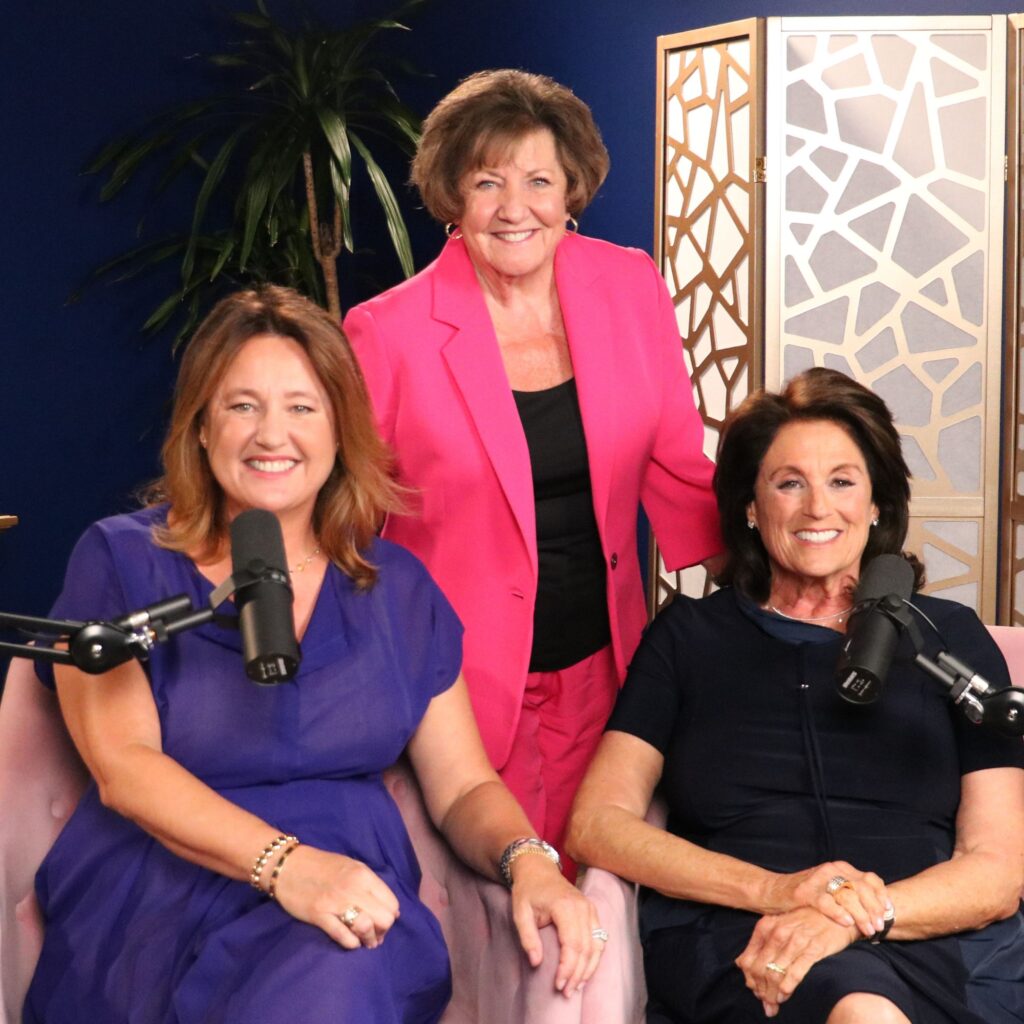
How do you respond when a friend faces a diagnosis that changes everything? What does real support look like during breast cancer treatment? In this episode, you’ll hear how friendship, early detection, and self-advocacy made a difference. You’ll also learn about the challenges of treatment, the role of caregivers, and ways communities rally when it’s needed most.
The Adventurer’s Guide to Surviving Breast Cancer
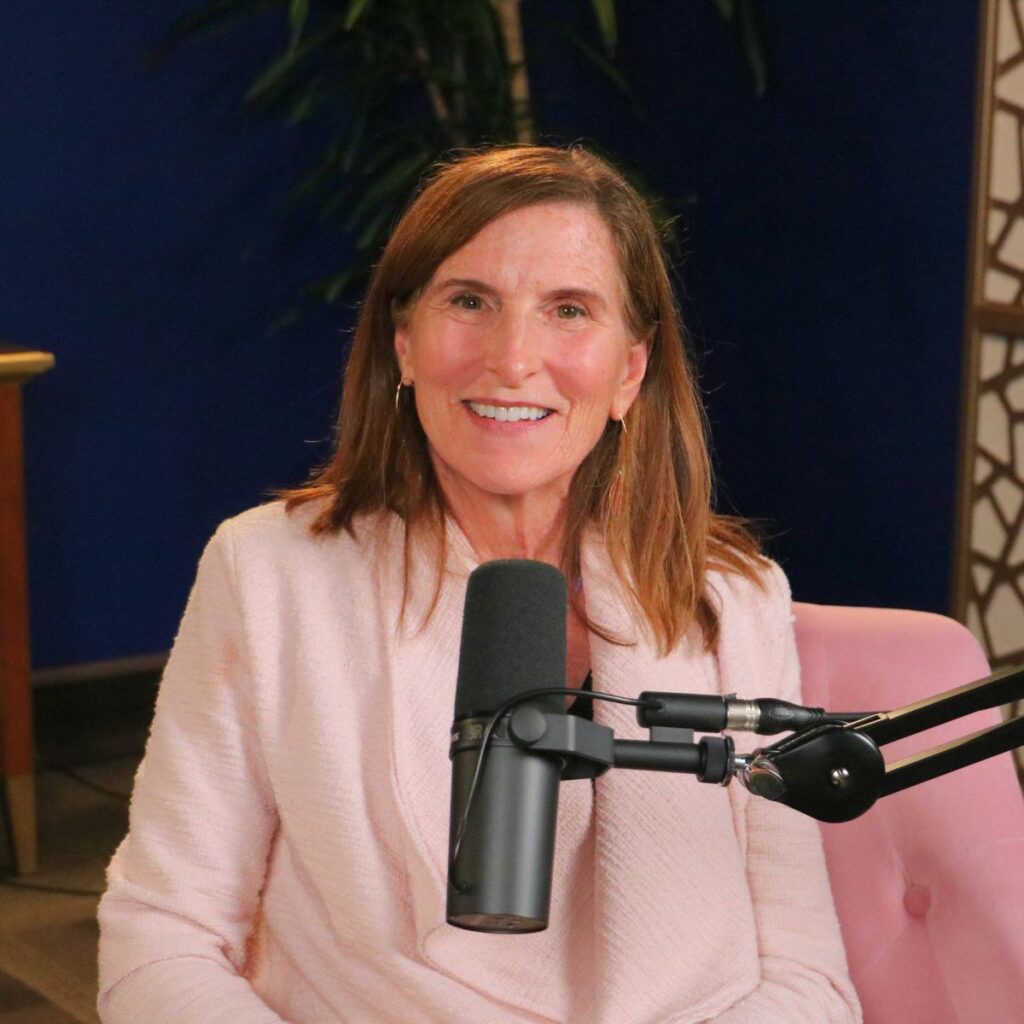
Trusting your instincts can change everything. Dorothy Gibbons and Jenny Fitzpatrick talk about early breast cancer diagnosis, persistent self-advocacy, and navigating treatment as a young mother. Jenny Fitzpatrick describes celebrating survivorship, building community, and creating new traditions. Stories connect lives. Experiences shape what comes next.
Bridges, Not Barriers: How The Rose Redefines Patient Care and Community
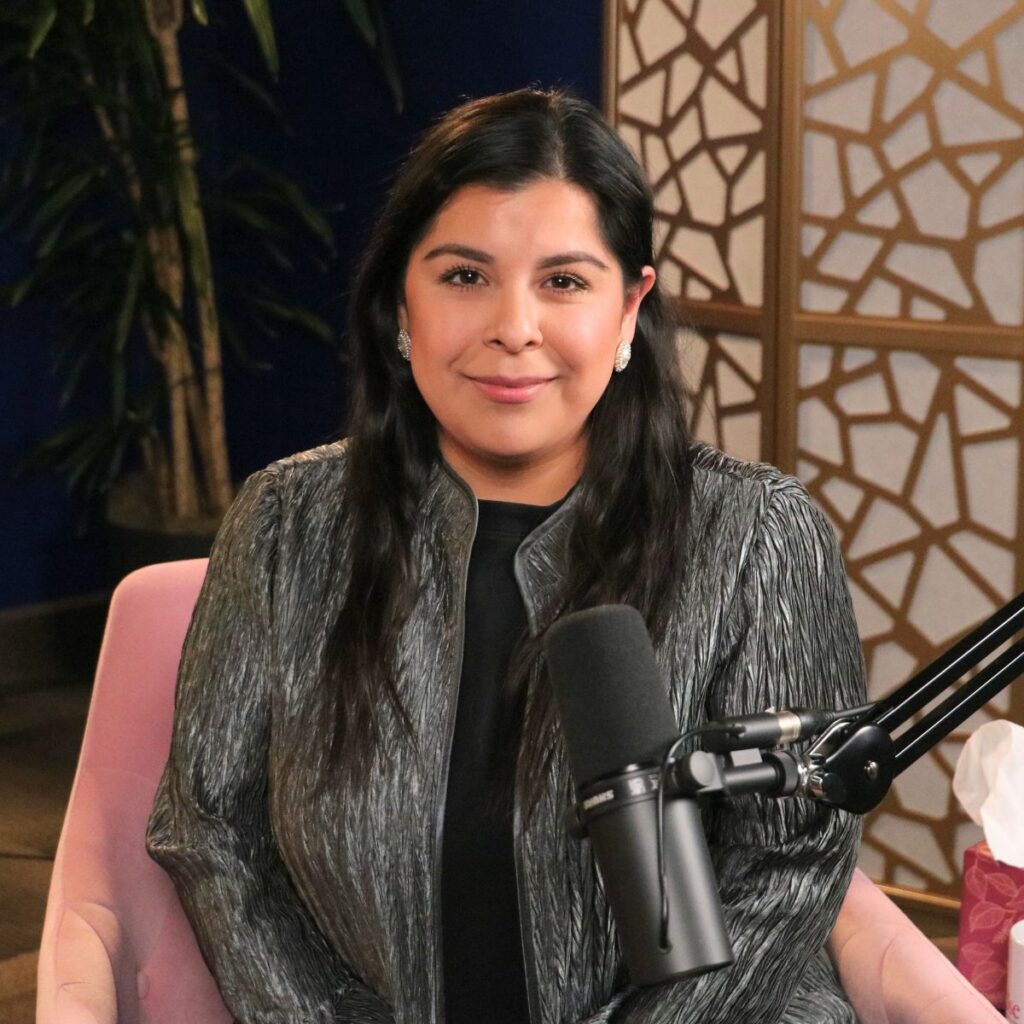
Asking for help is never easy. Dorothy Gibbons introduces Kathia, manager at The Rose’s southeast location. Three departments fall under Kathia’s leadership: medical records, registration, and sponsorship programs. The Rose offers care and access, removing barriers like language, cost, and transportation. Even after diagnosis, bilingual patient navigators remain with patients, helping them through paperwork and treatment. Preventive care and self-advocacy are emphasized throughout.
Sharpie Marks and Spring Breaks: Surviving Cancer with Courage and Humor
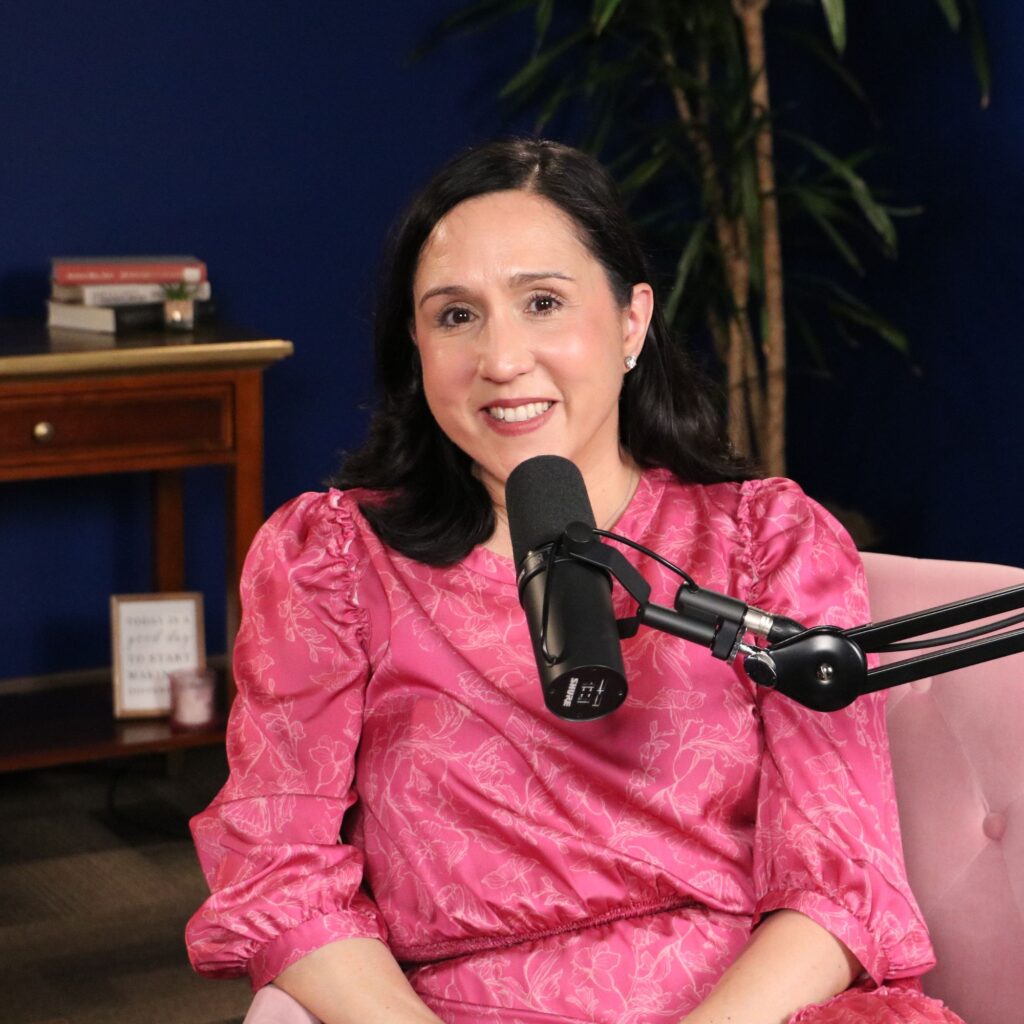
Cristina Rodriguez, a Harvard-educated attorney and proud immigrant daughter, faced her diagnosis at 45 with honesty and vulnerability. Communication became her lifeline at home, especially with her young daughters. Now seven years out, she supports others through similar journeys and champions the life-saving power of routine screening.
From Survivor to Advocate: Ann Meyn’s Lessons for the Next Generation
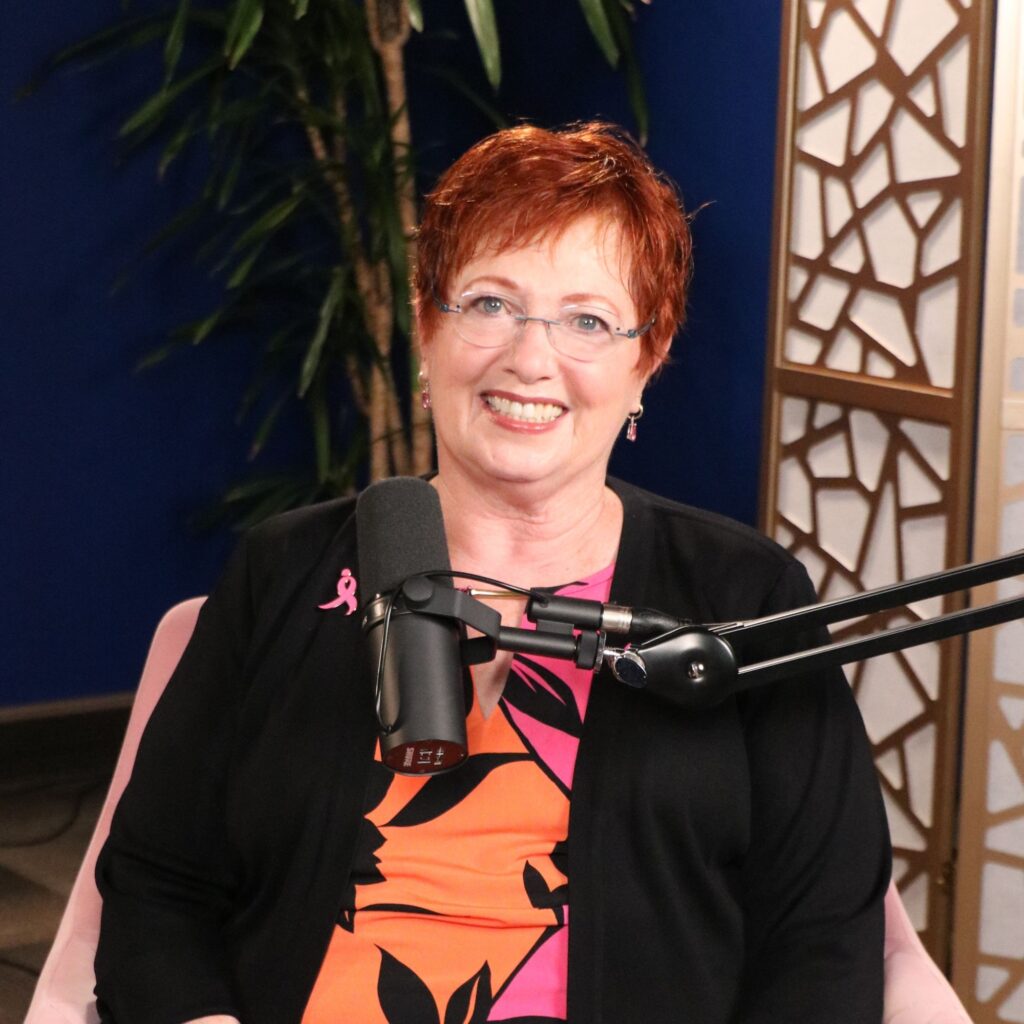
Ann Meyn started her advocacy in the 1990s, launching support groups and sharing the message of early detection. Even while facing aggressive treatments, she continued teaching, volunteering, and helping others understand cancer. With a scientific mindset, she shaped patient support and influenced research, guiding the next generation of advocates. Today, she joins Dorothy to reflect on their friendship and impact on The Rose’s community.
Community Impact: How Port Houston Partners with Nonprofits Like The Rose
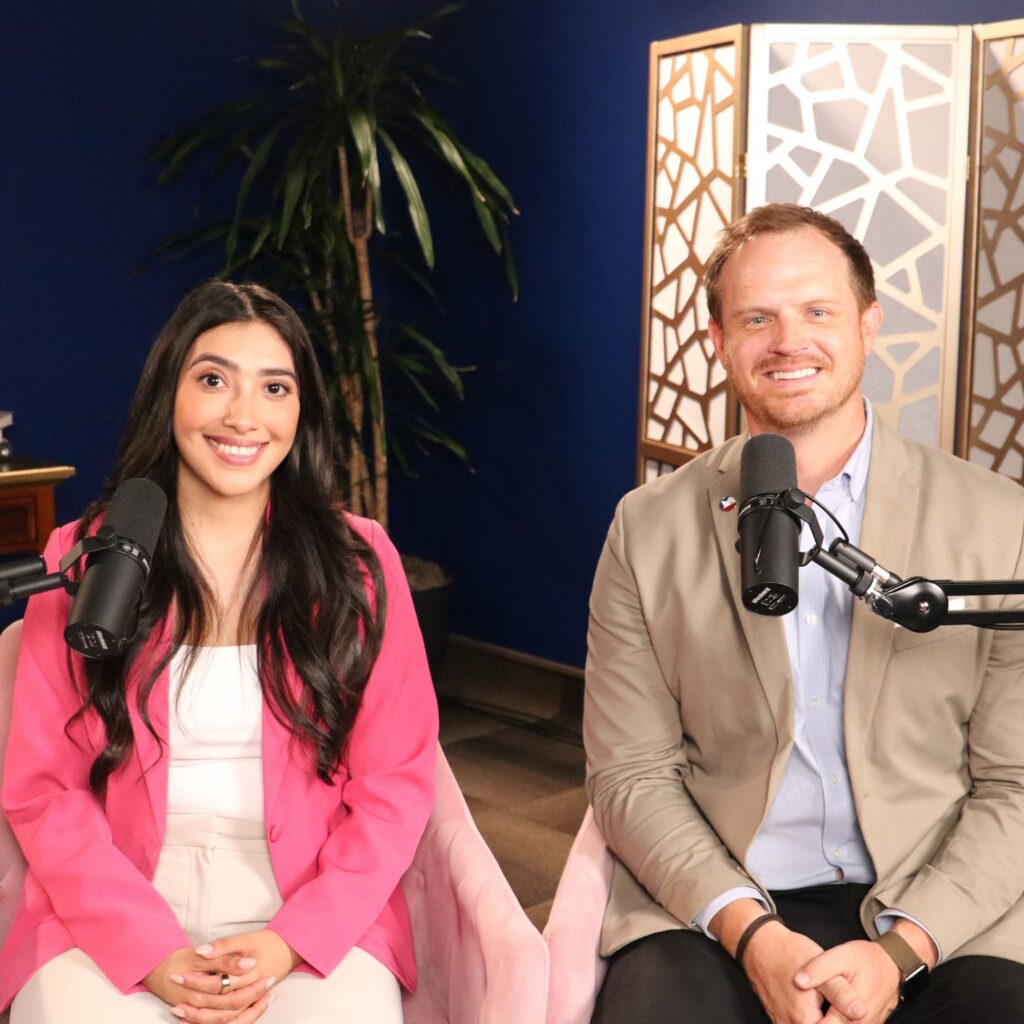
A bustling port fuels more than trade. It sustains everyday life in ways most never see. Garret Berg and Jessica Mendoza and from Port Houston share how the Houston Ship Channel keeps the city moving, from the clothes we wear to the cars we drive. Through their work, they connect communities, support local nonprofits like The Rose, and create opportunities for families across the region. Beneath the surface, the port’s reach extends far beyond the water.
Navigating Breast Cancer: Lessons from a Board Member and Survivor’s Family

A lifetime in finance taught Bob Tenczar the value of strategy, but retirement showed him the deeper value of service. Inspired by his mother’s battle with breast cancer, Bob committed himself to giving back through organizations like The Rose and Avance Houston. His passion for helping underserved communities access care has turned volunteering into his life’s second chapter, one defined by purpose, compassion, and impact.
Tumor Boards and Motherhood: Dr. Angela Coscio is Balancing Life as a Breast Cancer Specialist
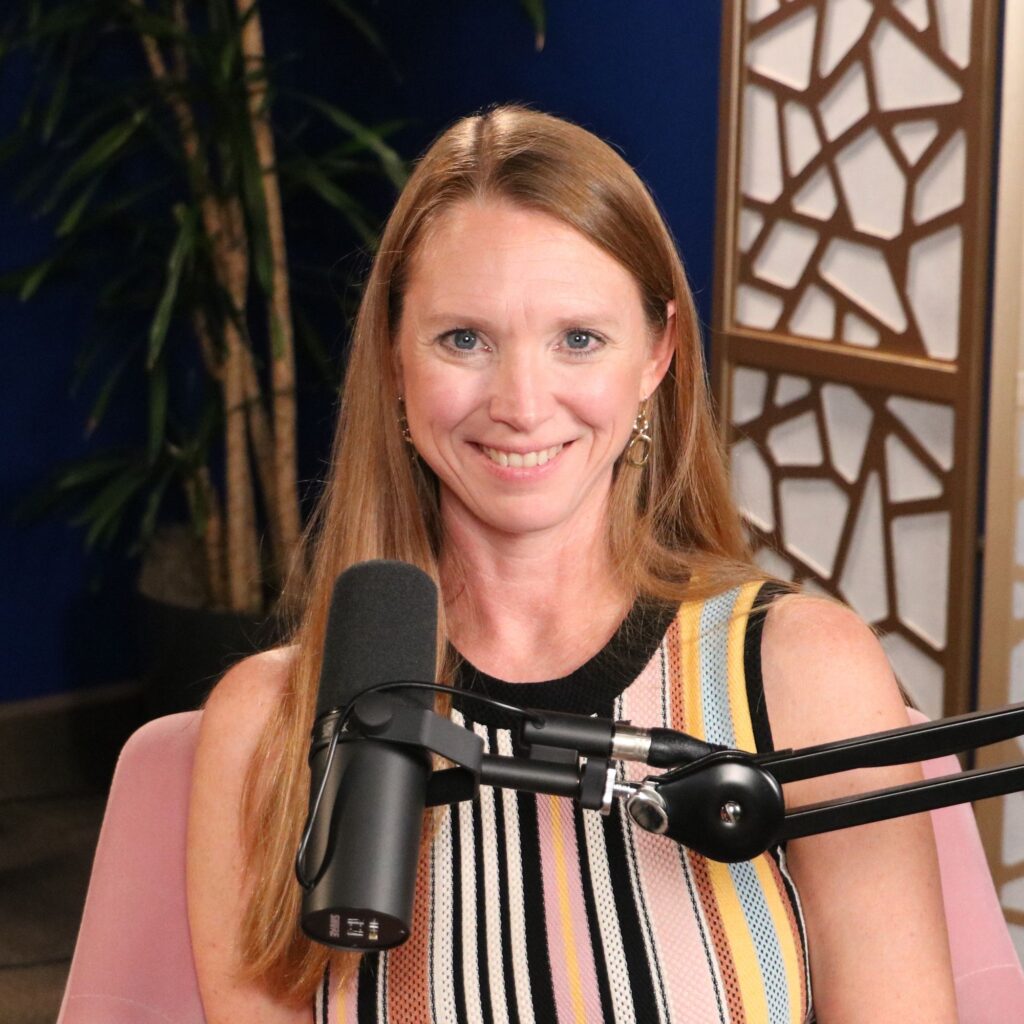
A doctor’s choice to walk beside patients through their hardest moments comes from a calling to serve with both skill and heart. Dr. Angela Coscio’s love for people led her from lab research to breast cancer specialization, where she witnesses courage every day. At St. Luke’s, she finds purpose in connecting deeply with patients, guiding them through treatment with compassion and individualized care. Her story reflects teamwork, devotion, and the belief that every medical decision should be a true partnership.
Breaking the Stigma: Women, Mental Health, and Community Support

Early brain development shapes not only how a woman thinks and feels but also how she builds relationships and maintains her health throughout life. Dr. Quianta Moore returns to the share how the idea that the interactions and support children receive, especially from caregivers, form the brain’s architecture. Without consistent nurturing, families may face long-term impacts on confidence and even physical well-being. Her insights drive home the importance of early intervention and strong community support for women and families.
Strong Women, Stronger Communities: Healing Together with Megan Owen
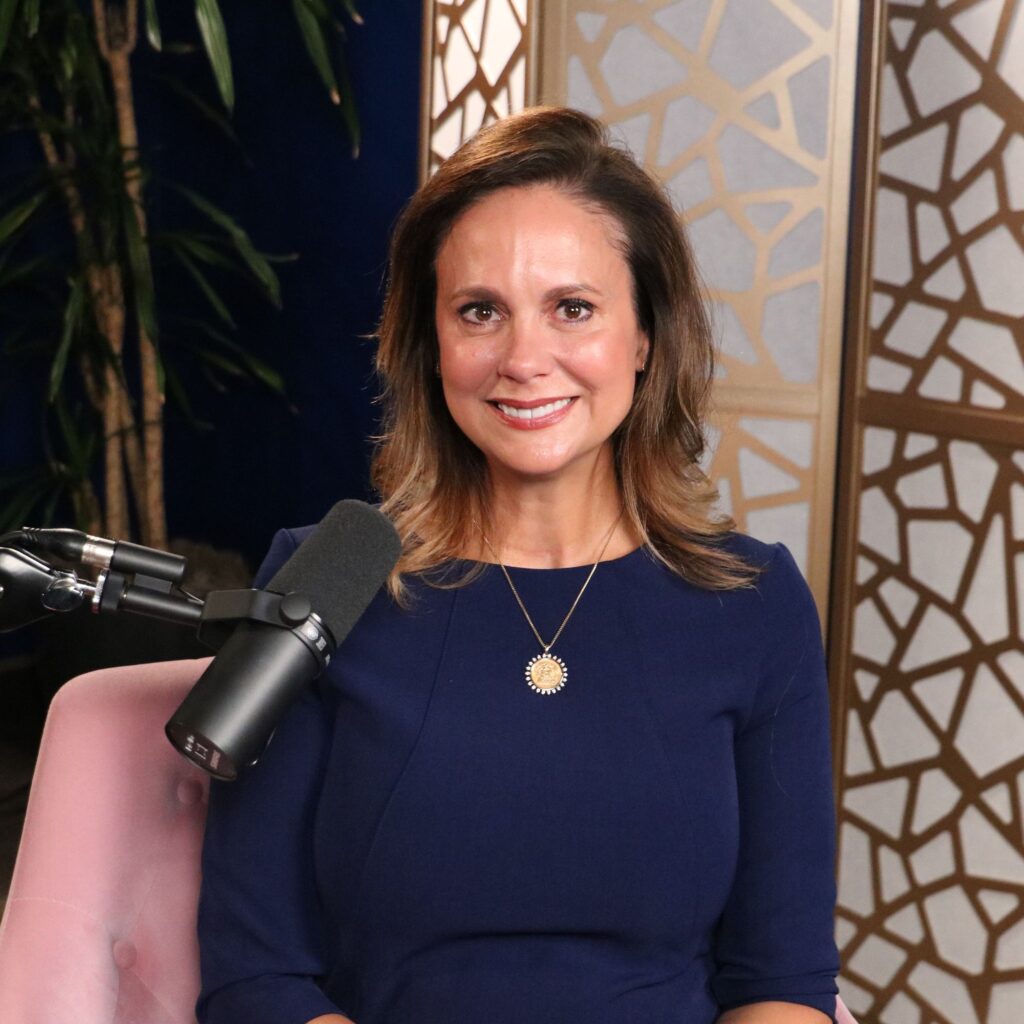
Leadership in healthcare starts with community and support—just ask CLS CEO Megan Owen, who stepped out of retirement to lead, connect, and put access to care at the center of her work.