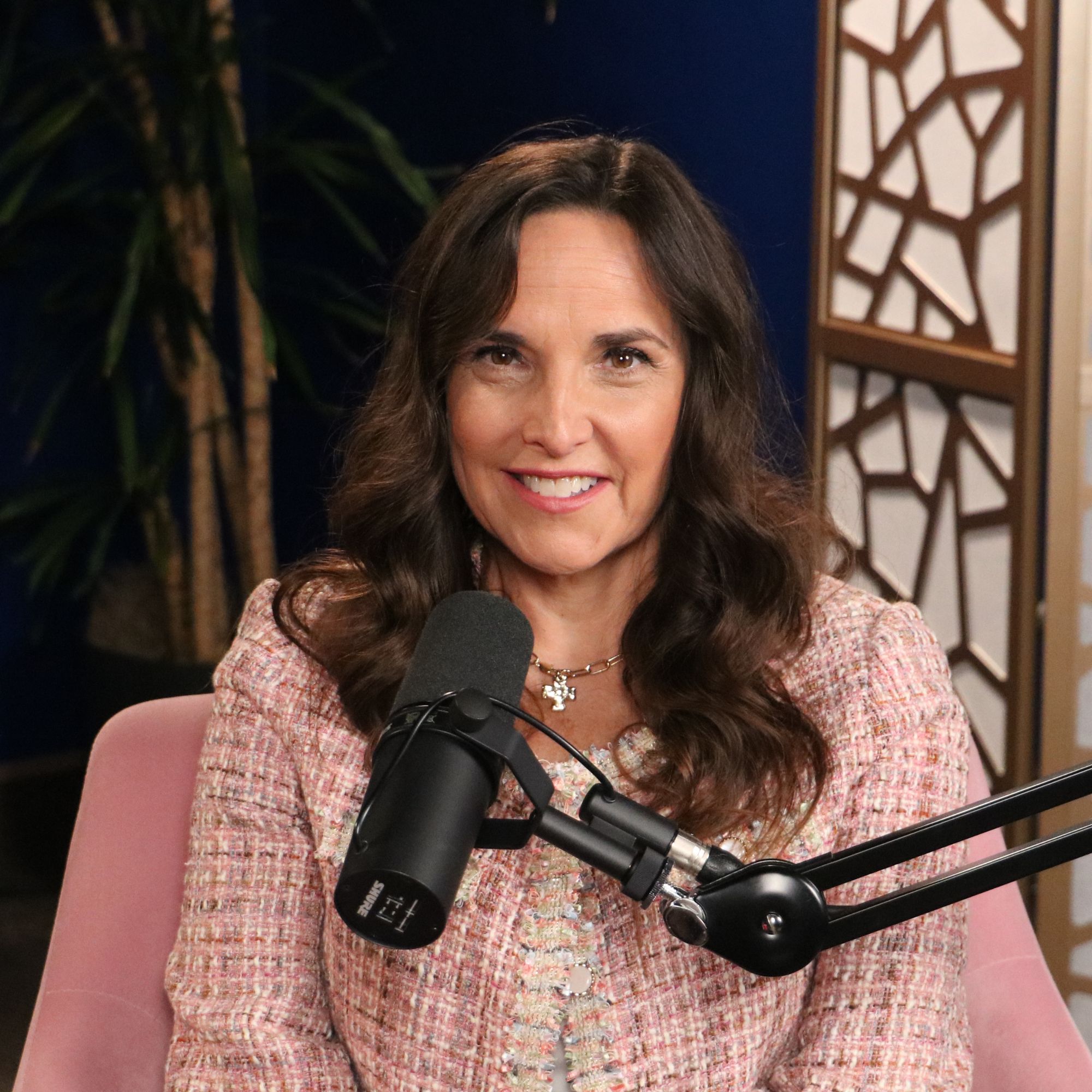
Dorothy: [00:00:00] Kristina Keller joins me today. Three years ago, she found a lump in her breast all by accident and began a journey that no one expected. She had to speak up for herself and she also had to put her family first. But she talks a lot about how faith guided her through some of the most trying times of her life. We talk about discovering cancer when life was busy, advocating for herself at every turn, and most of the time having to be there for her son. During this episode, Kristina talks about some alternative treatments and therapies. At The Rose we strongly urge you to consult your physician when considering any kind of treatment plan.
When you subscribe to our show, you help us grow. Someone you know may need to hear this story, so please share with your family and friends and consider. Supporting our mission at therose.org.
Let’s Talk About Your Breast, [00:01:00] a different kind of podcast presented to you by The Rose, a breast center of excellence, and a Texas treasure. You’re gonna hear frank discussions about tough topics, and you’re gonna learn why knowing about your breast could save your life.
Kristina, thank you so much for being with us here today.
Kristina: Thank you for having me, Dorothy.
Dorothy: Of course, of course. I can’t believe that we’re both in that great book that the CanCare Group put out.
Kristina: What’s the name of it again? Hope In the Face of Cancer?
Dorothy: I, that’s, that’s it. Wonderful book. Wonderful friends.
Kristina: Yes.
Dorothy: To have there. But I wanna talk about your cancer, your breast cancer today, and how you found it when it was found. What type, how old you were.
Kristina: Okay. Okay. Well, I’ll go back about three years. I found a lump, uh, just by accident. My arm kind of hit my breast and I was like, what is that? And then I kind of felt a lump. And so I went in and [00:02:00] had a mammogram and ultrasound and they said everything’s fine. And then I went to normal one year mammogram, Ult— usually is always an ultrasound because I’m very dense breast. Uh, and again, everything’s fine. And so then it was December of 2023. I sort of accidentally, again bumped my, my breast and I was like, I think that’s the same lump.
Dorothy: Oh my.
Kristina: So I clearly wasn’t doing monthly breast self exams, which is why I title my book Touch Your Tatas because—
Dorothy: I know, and that’s a great book, but Touch Your Tatas? I mean, come on.
Kristina: Well, I wasn’t.
Dorothy: It’s gonna get your attention if nothing else. Yes.
Kristina: Yes. Because I wasn’t doing my, my self exams and I wasn’t touching my Tatas. I felt like it was weird, you know, a little uncomfortable. And, um, and, and.
Dorothy: It is.
Kristina: In hindsight, I think it could have been life [00:03:00] changing for me had I done that. So I went again to get a ultrasound, a mammogram. And this time the radiologist said, let’s do a biopsy of that and let’s do a biopsy on the other side too. And so on balance.
Dorothy: You didn’t feel anything on the other side?
Kristina: No.
Dorothy: Okay.
Kristina: I think that one was very small and so. It was Valentine’s Day 2024 last year. I got the call. We have your results of your biopsy, so you know, it wasn’t exactly, you know, roses and chocolates that day.
Dorothy: The gift you wanted to get that day. No.
Kristina: Right. That’s also why I have an upside down heart on my book because it was not a great Valentine’s Day.
Dorothy: Oh, I didn’t even catch that. Wow.
Kristina: But it also looks like a little bit like something else.
Dorothy: Yes, it does. That’s what I thought it was. Yes.
Kristina: It was. Yeah. So, um.
Dorothy: Very creative.
Kristina: Thank you. So, you know, that was shocking news. I was preparing.
Dorothy: So you didn’t expect it, you really thought it was just gonna be benign?
Kristina: [00:04:00] Yes, because since I was about 30 years old, I’ve had dense breast. And I’ve had lots of mammograms, ultrasounds, and a few biopsies, and they’ve all just come back okay. Now I do have family history. Both my maternal and paternal grandmothers had it. And, but in their, in their late stages of their life. So after 75 years old.
Dorothy: Right.
Kristina: And then my mother was diagnosed with breast cancer the year before me.
Dorothy: I think that is so ironic. And that you’d watched her go through it the year before. Oh my goodness.
Kristina: Right. So I wasn’t expecting it, but in a way I wasn’t shocked. I was sort of like, well, I’ve kind of always thought like I have this family thing. And even though my BRCA tests were negative, I still felt like we had familial issues in our family. So I, um, was preparing for a double mastectomy. And we did a breast MRI just kind of [00:05:00] pre-surgery to see where everything was.
And there was a shadow on my spleen in that breast, MRI. But the breast, MRI wasn’t supposed to be looking at the spleen. It just caught some of it. And my oncologist said, look, uh, you know. Cancer doesn’t normally spread to the spleen, but just to make sure, let’s do a full body PET scan and just make sure. And so when we did that, she saw three spots in my liver and we biopsied that. And it was also my breast cancer had spread there so.
Dorothy: Already.
Kristina: Well, it probably had spread a while back, but I just true, just learned that I had it. So stage four, you know, my first thought is. I could die. I mean, honestly, I mean, I didn’t know a whole lot about cancer, but I knew stage four wasn’t great.
Dorothy: Right.
Kristina: So, um, and so I [00:06:00] stopped the plans for the double mastectomy and we decided to do a full body, you know, treatment plan. And we started that in April of 2024. So my oncologist, um, I, I basically picked all female doctors. Um, I didn’t mean to, but I just felt comfortable with them. And so I kind of called them my superpower, activate medical team. ‘Cause I just looked at them like superwoman, you know?
Dorothy: Yeah.
Kristina: Like that was just my team to fight with me. And so, um, my oncologist at St. Luke’s, the Woodlands was amazing. And one of the things that I asked her when we were talking about a treatment plan was, um. You know, I’ve been doing my own research and I’m reading a lot of articles about alternative things.
Are you okay with me, you know, talking to you about these and, and considering some of these [00:07:00] alternative things in addition to the, your standard treatment plan and she said yes. And I just thought, okay, I’ve picked the right doctor because I just feel like it’s so important that you trust your medical professionals.
But that you also are partnered with them, um, and that they listen to you and they’re open to hearing what you have to say. And if that’s not the case, then I think you might need to move on to the next.
Dorothy: It is such good advice. It, thinking of it as a partner. Yes.
Kristina: Yes. Yeah, because it’s your life. I mean, stage four, I was like, I’m 53 years old. I had a 13-year-old son, single mom. I mean, I had to live for him. I wanted to see him grow up, and so I had to be my own advocate for myself. Um, and I found some amazing research articles about, uh, an alternative medication used for [00:08:00] something else. It’s called Femazole, and it’s a drug used for anti-parasitic treatment for humans and animals. Um, it’s been around for many, many years and you can find a cancer protocol for this because there was a man who was basically, he did all his cancer treatments that, um, his oncologist said and said, there’s nothing more we can do. You have three months to live. And his friend was a vet and said, I’ve read a lot of articles about Femazole and cancer and I can get it for you and let’s just try it. And his name is Joe Tippens. And so I had three friends send me articles about him. Kind of right. When I first got diagnosed.
Dorothy: Yeah.
Kristina: And I felt like, you know, I was in, there’s such an influx of information, people were so great. And they were trying to be well meaning, but it was a little overwhelming.
Dorothy: Absolutely.
Kristina: [00:09:00] And so it was like, I can’t read everything people are sending me. But when three friends sent me this one, guy’s, uh, that’s a sign blog. I was like, I think I need to look into this.
Dorothy: Yes. Yes.
Kristina: I feel like it’s God saying, I’m getting, I’m trying to get your attention here.
Dorothy: Right.
Kristina: So when I read through that, I was like, I’m gonna join the Facebook group. I’m gonna read all these articles, and, you know, I just, I started doing the research myself. I didn’t wanna believe his blog or, you know, a friend or whatever. I wanted to do my own research for own self and for my own situation. And that’s what I highly encourage anybody who’s listening that no matter what you’re going through, understand what your treatment is.
And what the side effects are and, and, and just be aware of what it’s going to do to your body, good or bad. And just be aware of that and just know what’s happening. And don’t just listen to what people say. Like do your own research. [00:10:00] So I, uh, I found this article, I read it, got on the Facebook groups and I said, you know what, I’m gonna talk to my oncologist about this.
And she said, look, I’m not gonna tell you not to try it. Go for it. And so I just love that. And so we did, um, hormone therapy because I have, um. The kind of cancer that doesn’t respond to chemo. And we even did some blood work to see if chemo would help even a little bit, and it wouldn’t. So we didn’t go that route. We did hormone therapy and then I added femazole and after two months everything had shrunk 50%.
Dorothy: Oh my goodness.
Kristina: And so my doctor was like, you know, that is a lot in a short period of time. And you’re responding better to this treatment than I normally see. And I said, so can I just keep doing what we’re doing? Everything that we’re doing? And she said, keep doing everything you’re doing. And so we decided two more months we would [00:11:00] do another scan. So at month four, it was gone in my breast and my liver. No evidence of disease in my PET scan.
Dorothy: Oh my goodness.
Kristina: I had no side effects to my, um, femazole. Um, I, you know, it was just work together with what she was doing.
Dorothy: Right.
Kristina: To give me, uh, of quick, um.
Dorothy: Response.
Kristina: Response.
Dorothy: Yeah. Yeah.
Kristina: Yeah. And I’ve read a lot of articles too about the combination of femazole with chemotherapy. It. There’s a lot of research that shows that it can reduce side effects and also help with the effectiveness of it. So it there, there’s definitely, it’s out there. It’s just not out there. I mean.
Dorothy: Right. You kind of, it hasn’t been approved. It hasn’t, or it’s. What was the, there’s a drug that’s like it.
Kristina: Fenbendazole is for humans.
Dorothy: That is very expensive and very experimental.
Kristina: Well, and so I try, I did [00:12:00] find a doctor willing to give me enough ol to treat my cancer, but then when you send it to compounding pharmacy, it was like $15,000. And I had been going to my local feed store, I’d been getting a packet of femazole. I’ve been putting ’em in little, the empty pill capsules from Amazon, and it was about a dollar a day that I was spending on that. So I said, you know, I think I’ll just keep doing what I’m doing. And, but it’s very similar to Ivermectin. And that is, that is, uh, an anti-parasitic drug. And it.
Dorothy: Is also used all the time.
Kristina: For all different kind of things.
Dorothy: Yeah.
Kristina: And so it’s, you know, drugs are usually made for an intended purpose, but sometimes you get lucky and there’s like. Some really great side effects to, uh, a drug that was kind of unintended off-label, if you will. So, um.
Dorothy: So, so go back a minute. You made the decision not to have the mastectomy, the bilateral.
Kristina: My, well, at that time.
Dorothy: [00:13:00] Okay.
Kristina: So my oncologist and I decided we would treat my body.
Dorothy: Because it was.
Kristina: Because they said it had spread.
Dorothy: Yes.
Kristina: And then we would kind of make determinations like every two months, what, what the next step was.
Dorothy: Okay.
Kristina: And so after four months, it was NED. She’s like, so now we probably need to talk about your, your double mastectomy. And so at that point, you know, I’d already made the decision I was going to do it before now it was sort of like, okay, revisiting that. And I went ahead and did that. And I did it pretty soon. And I would say that my only regret is. I didn’t have to do it that quickly and I wish I would’ve just sat with it a little bit longer. Um, I.
Dorothy: Probably, it’s not that you regret it, it’s just.
Kristina: It’s Yes. I think I, I think what happens when you have cancer a lot of times you’re in a hurry to get to the other [00:14:00] side. Whatever that looks like.
Dorothy: Right.
Kristina: And so in my mind, I was like, I want to be done with this at the end of the year. You know, like, I kind of want.
Dorothy: That’s very ambitious.
Kristina: I know. I was like, I wanna do all the things and start 2025 off, you know, being healed and recovered and, and I look back and I think, well, you know. I’m gon, I’m always gonna have a deductible, like, you know, I think I was trying to meet deductibles and, you know, things like that. And, you know, I just think, I wish I would’ve just sat there and, and waited and prayed a little bit more and just i, I’ve not been in such a hurry. I probably would’ve done the exact same thing, but I think I would’ve just maybe, I don’t know. I’m, I’m doing that right now in part of my process because I’ve had reconstruction and I, I did not save my nipples. And so, um. The next [00:15:00] step would be, do I wanna get 3D nipple tattoos? And I’m, I’m thinking, well, I don’t know. And I’m gonna sit, I’m gonna sit with this a little bit longer because my old self would’ve said. Um, you know.
Dorothy: Get it done. Yeah.
Kristina: Get it done. Get to looking. Like as much as the old you as possible, as quickly as possible. But now I’m like, well, these, these, these weren’t the breasts I was born with, but these are my breasts now and every day I’m more and more used to them and I’m like, I don’t know that I want to change this. And I’m just sitting with the decision a little longer. So I think.
Dorothy: But that is very, very good advice.
Kristina: I think it is.
Dorothy: I mean, sometimes it, it’s just what you’re saying that pause, uh, that talking with your body.
Kristina: Right.
Dorothy: That telling it whatever it needs to hear is a, a, it’s just a different way of [00:16:00] doing it and it doesn’t hurt.
Kristina: Right.
Dorothy: And. Sometimes we have to go through a process of grieving or letting go or saying goodbye.
Kristina: Right.
Dorothy: All of those things because it was.
Kristina: Yes.
Dorothy: A change that required saying goodbye.
Kristina: Right. And I think that’s why I wish I would’ve waited a little bit too, because you just don’t really understand what it’s gonna do to you until you it does it to you.
Dorothy: Yeah.
Kristina: And so then I’m like. But you know, hindsight’s always 2020.
Dorothy: Oh, absolutely.
Kristina: So I’m only here to share, you know, that I wish I would’ve given myself not felt in such a hurry to make decisions because there wasn’t anybody telling me I had to do it right then.
Dorothy: That’s just part of your personality.
Kristina: It was part of my personality.
Dorothy: Yeah.
Kristina: I was like, let’s get this done.
Dorothy: But you think about it, what insight you got from that.
Kristina: Yes.
Dorothy: It, it was a great inner.
Kristina: Yeah.
Dorothy: Looking at a, at a, a mirror of yourself to say, [00:17:00] whoops, yeah, maybe, maybe this is something I need to, to work on a little bit.
Kristina: In my whole life.
Dorothy: Yeah.
Kristina: Like not just this one area, not just this.
Dorothy: Yes.
Kristina: Yeah.
Dorothy: But now you counted an awful lot on your faith.
Kristina: Yes.
Dorothy: And on prayer through this time, I mean, in your book, uh, is so inspiring. It’s just page after page of things that we hear, but when we see them in the context that you put ’em in. You hear different things.
Kristina: Oh, I know. It’s.
Dorothy: Yeah.
Kristina: It’s amazing how God can use a, a verse that you’ve read your whole life and it just hits you differently when you’re in a different season. And I do believe, um, my faith played a big role in my, my journey and my healing because I, I prayed for three things right away. One is that I would pick a medical team that would partner with me and help that the Lord would help guide me to the right people.
And that the second thing was that I would do the [00:18:00] right treatments for me and that the Lord would help me know what that was, my treatments and surgeries. And then third, that I would just be completely healed. I mean, I just decided I’m gonna be bold and, and, and pray for like the ultimate.
Dorothy: The ultimate, yes.
Kristina: The, the ultimate.
Dorothy: Yes.
Kristina: And, but I was prepared, um, that if that wasn’t the Lord’s will, I knew he was gonna use me. I mean, I just knew very early on that this was happening in my life for a reason, and I didn’t even know what it was, but I knew that it was my job to glorify the Lord through it. And so I just tried to walk with that every day.
Dorothy: Now did you have that same feeling or understanding with your mother?
Kristina: Well, my mom, she, um. She was diagnosed with a stage zero. Um, so she went ahead and did a single mastectomy but had no, um, didn’t need any [00:19:00] kind of treatment. I don’t know why I’m.
Dorothy: Get you a Kleenex over there.
Kristina: I don’t know why I am tearing up.
Dorothy: Well, this is a very emotional story. It’s a very personal story.
Kristina: I know.
Dorothy: And I appreciate your courage for even sharing all this with us.
Kristina: I feel like it’s, it’s a biggie. It’s, it’s just my, it’s now my life’s ministry. I mean, I just want people to hear my story and give them hope.
Dorothy: Right.
Kristina: Um, but my mom.
Dorothy: Stage four though.
Kristina: Yeah. Stage four.
Dorothy: You kind of skipped over that.
Kristina: Yeah. Stage four.
Dorothy: Yeah. That’s often, it is often a very limited survival rate.
Kristina: Yes.
Dorothy: And you knew that going in?
Kristina: Yes. At first I was given 30% chance to live five years, and then after two months of treatment, she raised it to 50% because I was responding. And then now I’m 95%. Uh.
Dorothy: Wow.
Kristina: And I’m one year cancer free. Last, last week.
Dorothy: Oh, congratulations. Yes.
Kristina: I’m, I’m closer to that five years already. So, um, but my mom’s situation was a little bit different. She had [00:20:00] stage zero, had a single mastectomy and no treatment. No.
Dorothy: That was it. That was, that’s.
Kristina: That’s all she needed.
Dorothy: Yeah.
Kristina: Yeah. You know, and, and, and her story, she, you know, she, I think this happens with everybody. No matter what you go through, sometimes you look back and you, you question your decisions and you say, did I do the right thing? And she did that too. She said, you know, it was stage zero and so, you know, was a mastectomy.
Like, Necessary, like, especially after everything I’ve been through and kind of like comparing my situation with her, she sometimes looks back and says, I don’t, you know, I really don’t know. And I said, you know what? You, you make the decisions based on the information that you have. Have you prayed about it? You, you can’t second guess yourself. And when I start to second guess myself, sometimes I just try not to stay there very long because [00:21:00] it just doesn’t really help you. You’ve done the thing and you can’t.
Dorothy: It’s kinda like you have to acknowledge that little bratty child that keeps wanting to bring it up.
Kristina: Yes.
Dorothy: And go, all right, you’ve told me go away.
Kristina: Yeah.
Dorothy: Yeah. I’m done.
Kristina: Exactly.
Dorothy: Yeah. And I think, I think throughout your book, again, Touch Your Tatas, which is not an expression we use around here very often. Um, I think, I think you gave some incredible advice and shared some, I don’t know which story I liked the best, whether it was making memories are about the prayer group.
Kristina: Yeah, both are awesome.
Dorothy: Can you share that with our listeners?
Kristina: Yes. So the making memories, so when I was diagnosed with stage four cancer, you know, my first thought is, uh, I don’t know if I’m gonna live. And so I realized. I’ve really spent my whole life ruminating on past things and worrying about future things and haven’t been so great about [00:22:00] living in the now.
So I decided I was gonna live in the now and make memories with my son and my parents and, and just focus on that. So one of the things I did, I didn’t even put this in the book, but last Christmas I told my son, we’re not doing presents, we’re doing experiences. So. You know, what do you want your experience this year to be? And so that kinda led to the trip to Hawaii because he said, I wanna go to Hawaii.
Dorothy: Wow.
Kristina: And so we booked a trip to Hawaii. My parents came with us because, you know, I didn’t know if I would have another trip with them, you know?
Dorothy: Right.
Kristina: So we made it a big family affair and you know, I did things like took ’em outta school to go see a solar eclipse and you know, just going to concerts.
Dorothy: And it wasn’t just here. You drove to
Kristina: Yes, we drove to Waco.
Dorothy: Yes.
Kristina: And, you know, saw some great friends and you know, it just. Taking the time to make a core memory with him [00:23:00] was just really important. We went to dude ranch, a dude ranch, and rode horses and things like that. And I just think, you know, that’s something I can carry with me now that I’m going to live. And everybody, no matter what, if you have a diagnosis or not, you do not know that you have tomorrow. It’s not promised. So making memories and, and, and having experiences with the people that you love is, that’s what life’s really about.
Dorothy: It is, it is.
Kristina: And then, what was the other thing? The prayer service? Yeah. Okay. Yes. The prayer service. So one of my dear friends, Tammy, from my church, she said, I’d like to do a prayer service at the church. Are you okay with that? And I said, absolutely. I would love anyone who wants to pray for me, I will take it. And I’d never been to anything like this. It was, I, I call it in between like a funeral, a wedding, a reunion. A church service, it was kind of all rolled into one. It was an amazing time, and even the people who came told me later that I’ve never been to anything like [00:24:00] that, that was so amazing. So it, it touched my heart, but I think it equally touched the people that were there and, um.
Dorothy: So what happened?
Kristina: They prayed over me. They.
Dorothy: I mean, they brought you in the middle of the room or
Kristina: Yep. Up to the, yep. They brought me up to the front and everybody, not everybody got up and came, but I would say 95% of the people got out of their seats, came forward and laid hands on me.
Dorothy: Oh.
Kristina: And prayed. And scripture was read, and stories were told. And you know, at the very end I stood up and I thanked everyone for coming. And I sort of made the proclamation look live for today. That’s what I’m learning. You don’t need a diagnosis. You don’t, this is something you can take away from here like for yourself. And, um, so I, I think, think it, I.
Dorothy: What moved you to do that?
Kristina: Well, my. My daily devotional is Jesus calling, and that particular day I read [00:25:00] that to the group and it was basically saying that, and it was what I was going through. And so I was like, well, this is divine. I feel like I need to share this with the people that are come tonight. And, um.
Dorothy: It was a large group.
Kristina: It was about a hundred people came from all areas of my life. People from high school, childhood friends, I mean.
Dorothy: Right.
Kristina: It was, that’s why I say it was like a reunion too. But, you know, I, I also mentioned that it was sort of like I was living my funeral in the best possible way that year, because what was happening is, while I didn’t know if I was gonna live. Uh, other people didn’t know if I was gonna live. And so what that did is it made people reach out to me and say things that they might not normally say to me, like, how I impacted their life or I led them to Christ, or I made a big difference in their life in a, in a hard period or whatever. And it just felt like that’s the kind of thing you normally hear at a funeral when the person’s not around to hear it anymore.
Dorothy: And that is so true.
Kristina: I tell you what, hearing all that [00:26:00] it. I, it kind of made it like I wouldn’t give this up if somebody said, look, you can go back in time and take all this away from you. Would you do it? I wouldn’t because it was just, it was a, a blessing and I look at it like, God had to make me walk through this season and it created a new season for my life.
I am, it’s just, I feel like my ministry now is focused on women and breast cancer and cancer in general, and just giving hope to people and sharing my story, whatever that looks like for them is a total, everybody. That’s the thing I’ve, everybody I talk to that had any form of cancer, it’s just also different. It’s such a personal thing. It’s, everybody’s story is so different.
Dorothy: And everybody’s cancer is so different.
Kristina: Very, yeah.
Dorothy: So, you know what works for one may not work for the [00:27:00] other. Right. But it is, uh, you’re so right. Everyone’s different.
Kristina: But I, I, I feel like, you know, you can learn from people even. Even if your medical situation’s slightly different. I mean, just sometimes I talk to people, they just want, that’s kinda what led to the book. I was talking to people on the phone for like five hours a day for a while.
Dorothy: I, I was amazed at that. But you were talking to survivors or to people who had just been diagnosed?
Kristina: Lots of my friends would say, Hey, I want to put you.
Dorothy: Connect you with someone.
Kristina: Yeah, with someone that I know.
Dorothy: Yeah.
Kristina: Would you talk to them? And I would always say yes. And so I. I would tell them what I did and I’d just be there to listen to them. And then it was getting like a little overwhelming. That was a lot of time. And I was trying to recover from surgeries. And so while I was recovering, I said, you know, I’m just gonna write this all in a blog, and then my friends can give them the blog. [00:28:00] And then I’m not saying the same things over and over, and then they can call me with additional questions.
And that way we’re talking about the additional things right, and not the things. Every last thing.
Dorothy: Yes.
Kristina: Yes. Every last thing over and over. So then the blog just kind of exploded. It’s, it was like thousands of hits in months and.
Dorothy: Wow.
Kristina: So I was like, you know, I think there’s something bigger here. And it just felt like it was my life ministry to share my story and I didn’t know how to do that. And I thought, I’m gonna write a book, never even thinking one second about what I do with it after it’s published. I mean, I literally had no plan, but I had a friend, uh, we were at lunch one day and I just released the book probably a week before that on Amazon and Barnes and Noble, and she said, well, you know, you should probably do like a a press release or something. And I’m like, well, okay. I don’t know how to do that, but I, I think that’s a good idea. And so I had chat, [00:29:00] GPT help me with it. And I’m here with you and like others, you know, it’s getting out. So, um, it’s, it’s definitely not a plan that it, you know, it’s sort of from the Lord when it’s bigger than what you could have done yourself.
Dorothy: Right.
Kristina: And so I just feel like this has gotten bigger than any, you know, plan I could have had for this. So.
Dorothy: So you talk so much about being your own advocate and about research and knowing more about your body. Is there anything else that you would like to share with our group?
Kristina: Well, I just feel like, um, having the right medical team that you feel comfortable with that will listen to you and partner with you is very crucial. I think doing your own research, really understanding what you’re taking and what it um, the effects of that is on your body, and I also just feel like prayer is very [00:30:00] powerful and I encourage you to dive into your faith like during, during any kind of storm. I mean, I’ve had other storms in my life where the Lord kind of. Picked me up and carried me through it. But I do believe that my faith was a big, big at, um, part of this, it helped me to find that medical team and the, and the articles that I needed to read for treatment.
Dorothy: Not to be afraid to ask for big.
Kristina: Don’t be afraid to ask for big.
Dorothy: Yeah. I mean, you’ve asked for the whole thing.
Kristina: Yes.
Dorothy: And it’s, it was granted.
Kristina: It was.
Dorothy: Yeah.
Kristina: And I feel like, well, there’s a reason for that.
Dorothy: Yeah.
Kristina: So, um.
Dorothy: Great advice.
Kristina: Yeah.
Dorothy: Well, thank you so much for being with us today and, and like I said, your book is total inspiration. I really recommend it for anyone.
Kristina: Thank you.
Dorothy: Who’s going through any kind of difficulty in life.
Kristina: Thank you very much. It was nice to be with you.
Dorothy: Yeah. Such courage.
Kristina: Oh, thank you.
Post-Credits: Thank you [00:31:00] for joining us today on Let’s Talk About Your Breasts. This podcast is produced by Speke Podcasting and brought to you by The Rose. Visit therose.org to learn more about our organization. Subscribe to our podcast, share episodes with friends, and join the conversation on social media using #LetsTalkAboutYourBreasts. We welcome your feedback and suggestions. Consider supporting The Rose. Your gift can make the difference to a person in need. And remember, set. Of care is not selfish. It’s essential.