
Taekwondo and Triumph: A Family’s Unique Way of Giving Back
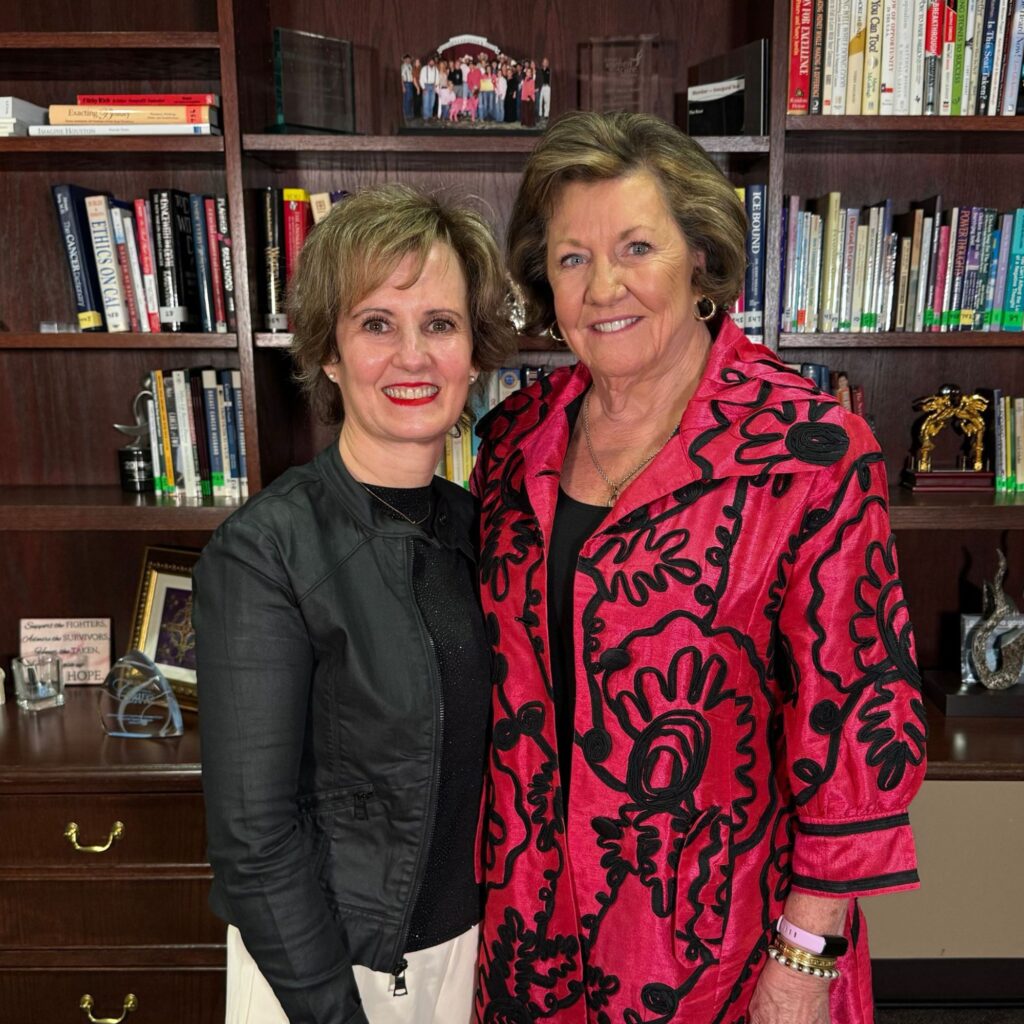
Alicia Um says to step out on faith. The 2008 recession left her family broke and a breast cancer diagnosis made matters worse. With nowhere to turn, her husband moved out of state to find work while she underwent treatment, all while raising kids. During this conversation, you’ll hear from both Alicia and her husband, Aaron. They discuss their faith, the importance of staying positive, and how their taekwondo gym is inspiring young children to pay it forward to The Rose.
Why She Decided to Get a Prophylactic Mastectomy at 25
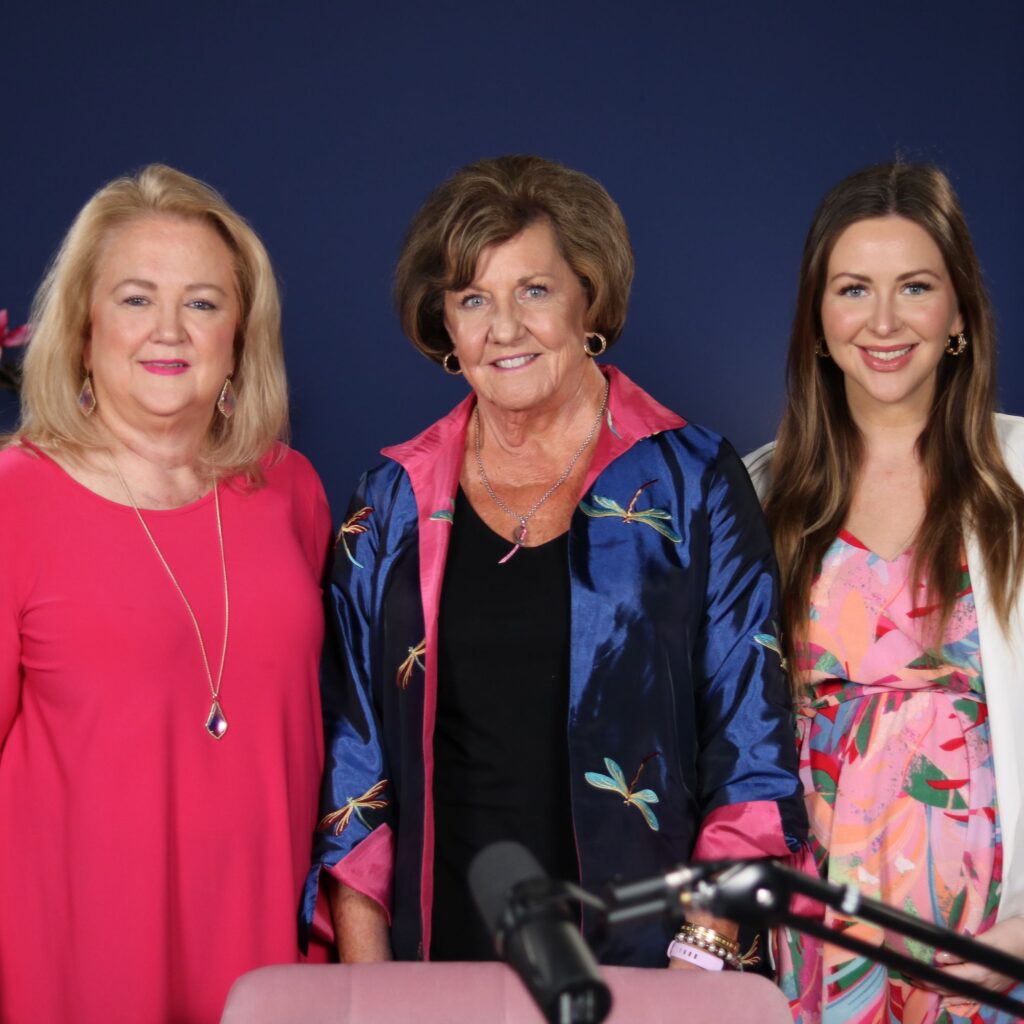
Linda Petticrew’s battle with breast cancer at 34, and her daughter Rachel Evans’ decision to have a prophylactic mastectomy at 25, reveal a narrative of resilience and proactive health decisions. Diagnosed with the BRCA1 gene, Rachel chose surgery as a precaution, influenced by her mother’s experience with the disease. Their story highlights the importance of genetic testing and the strength found in family support.
She and Her Mother Fought and Beat Breast Cancer Together
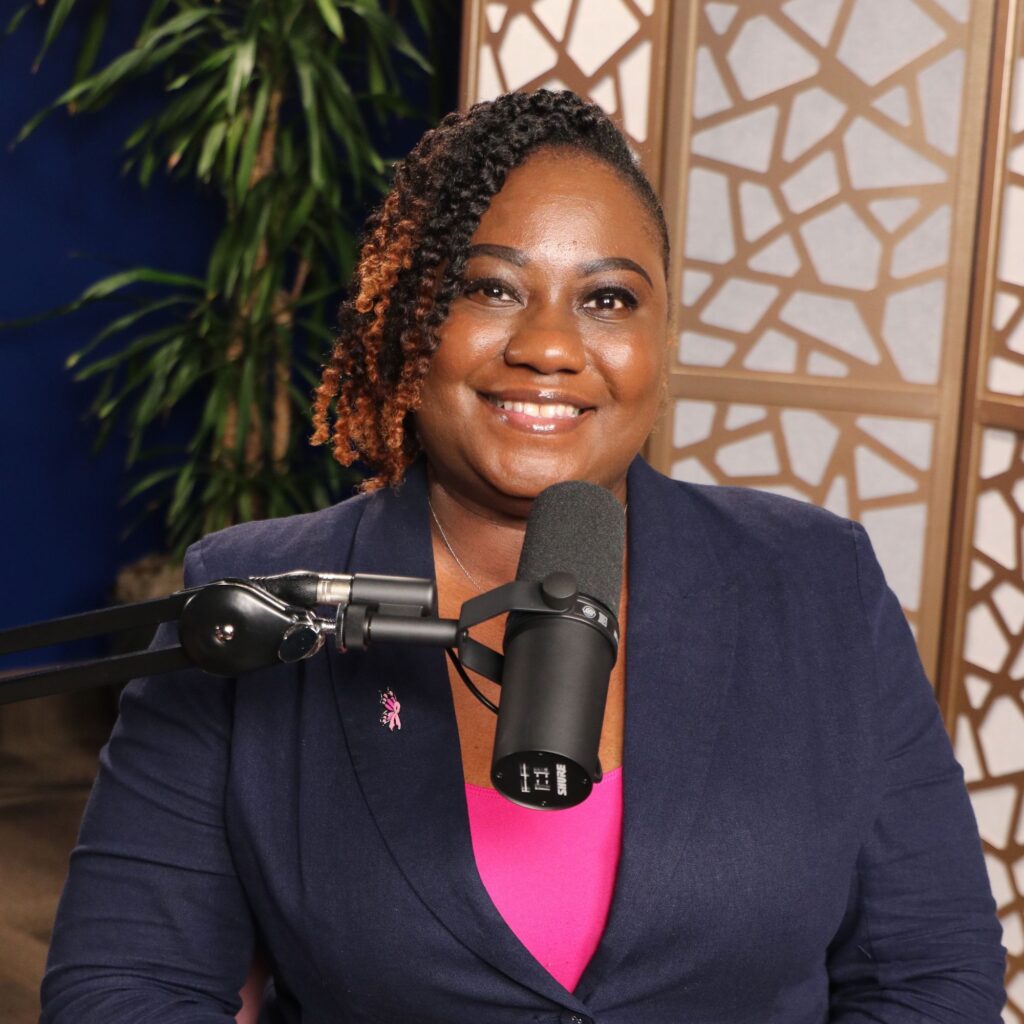
”If your doctor didn’t listen to you, you need to find another doctor.” Those are the words of Stacy Papillion. Affectionately known as “Sergeant Pap,” Stacy knows a thing or two about breast cancer. She beat it twice. The second time around was a battle she fought alongside her own mother.
Lorraine Fox on Motherhood, Cancer, and NBA Star De’Aaron Fox
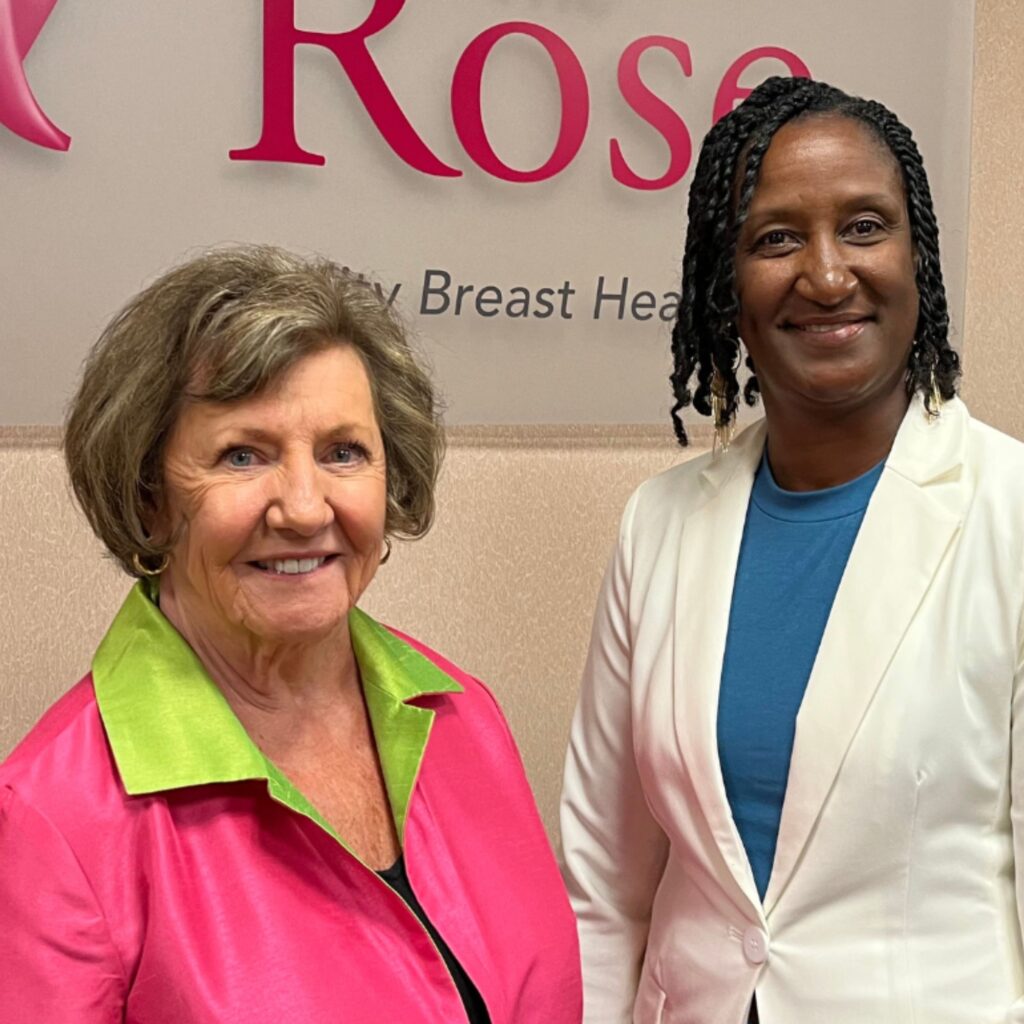
Breast cancer not only took Lorraine Fox’s sister at the age of thirty-three but also posed a life-threatening challenge to Lorraine herself, as she shares her courageous journey of raising her young son and nephew, and subsequently, together with her son De’Aaron Fox, established the Fox Whole Family Foundation to support breast cancer survivors and empower underprivileged youth with leadership skills.
Parte 2: Del Temor a la Victoria contra el Cáncer de Mama a los 40
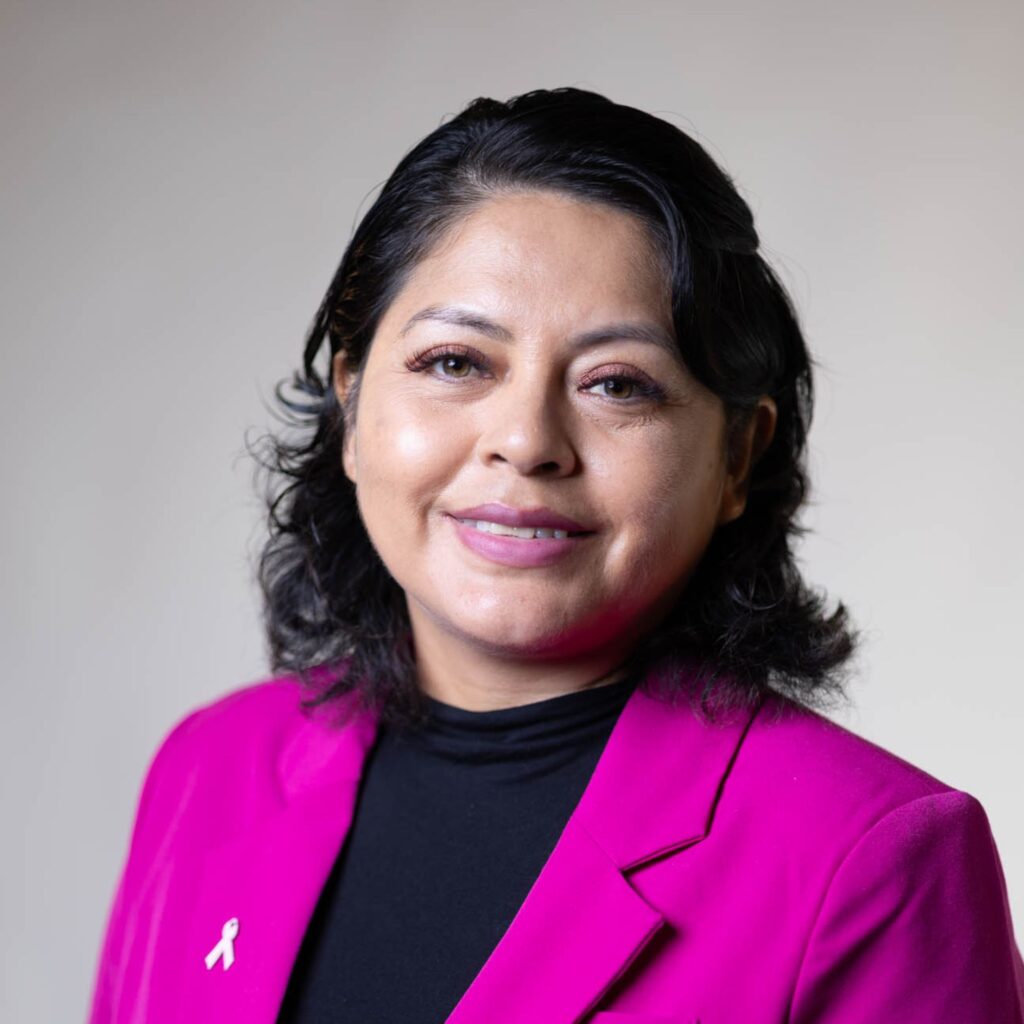
En esta segunda parte, Amanda comparte en profundidad su experiencia con el tratamiento contra el cáncer de mama, abarcando desde la quimioterapia hasta la cirugía. Además, aborda los tabúes culturales en torno al cáncer de mama y la salud dentro de la comunidad hispana. Amanda explica cómo enfrentó la falta de seguro médico y subraya la importancia del autocuidado y la exploración regular para la detección temprana del cáncer.
Parte 1: Del Temor a la Victoria contra el Cáncer de Mama a los 40
En este episodio, se presenta la historia de Amanda, diagnosticada con cáncer de mama a los 40 años. Amanda comparte cómo descubrió el bulto durante una autoexploración y los pasos que siguió hasta recibir su diagnóstico. Se destaca la importancia de la detección temprana y cómo su fe la ayudó a enfrentar la adversidad.
How One Woman’s Angel Helped Her Survive Breast Cancer and Domestic Violence
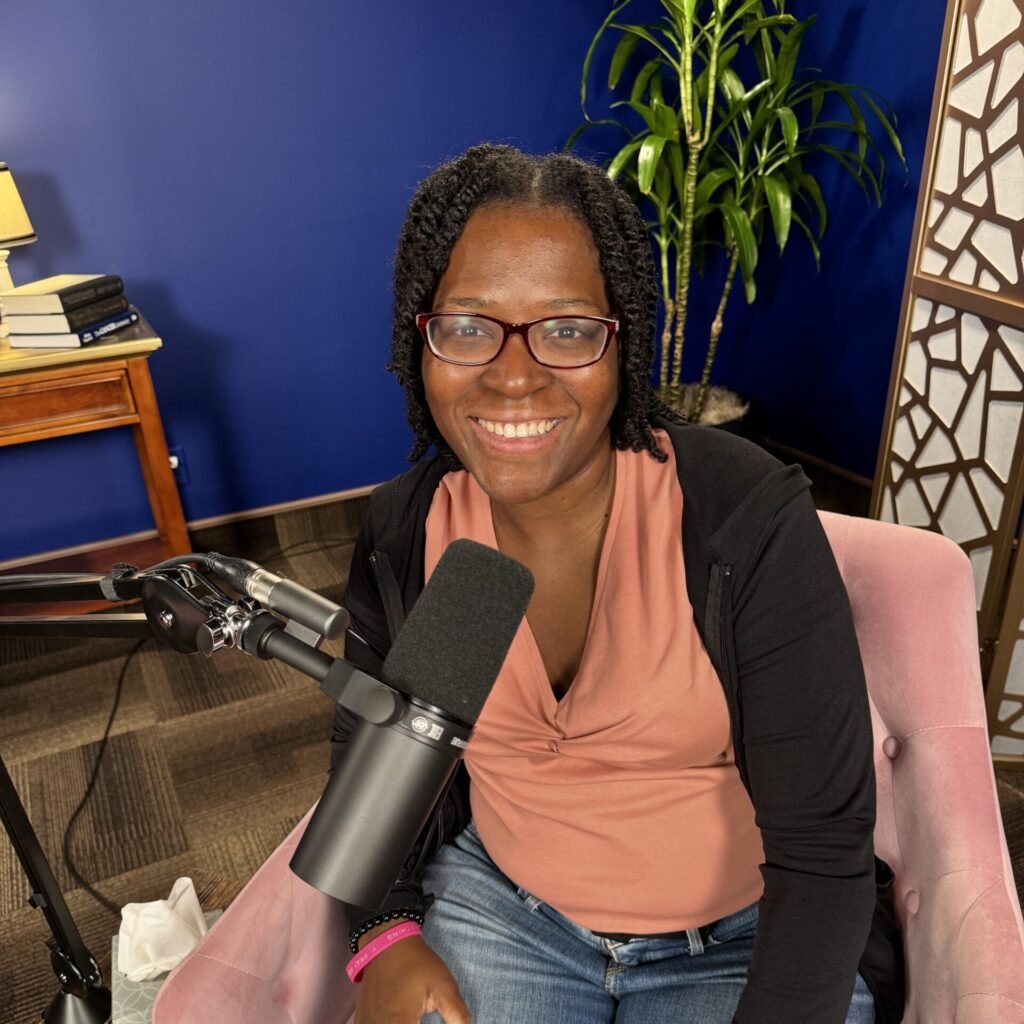
Vanessa shares the hurdles she encountered and the support she received from The Rose and Angels Surviving Cancer. Throughout her experience, Vanessa was guided by her assigned angel, Marva, who provided emotional support and guidance, helping her to rebuild relationships and learn to advocate for herself.
Cáncer de Mama a los 38: La Increible Historia de Ana

En este episodio, Ana comparte su conmovedora historia sobre cómo descubrió un bulto en su seno en 2020 mientras realizaba trabajos en el jardín, lo que finalmente llevó a su diagnóstico de cáncer de mama en etapa 3. Detalla su experiencia durante la pandemia de COVID-19, incluyendo su tratamiento, las decisiones difíciles que tuvo que tomar respecto a una doble mastectomía y la reconstrucción de sus senos, y cómo su familia, especialmente su esposo, la apoyó durante todo el proceso.
Meet One of The Rose’s Youngest Diagnosed Patients

Monserrat’s decision to perform a self-exam after attending a health fair changed the trajectory of her life. Upon finding a lump, she faced unimaginable challenges due to a lack of insurance. Yet, with the support of The Rose and the steadfast care of Dr. Bonefas, she navigated a grueling journey towards recovery and advocacy.
One Woman’s Gratitude: Ginger’s Story of Survival and Service
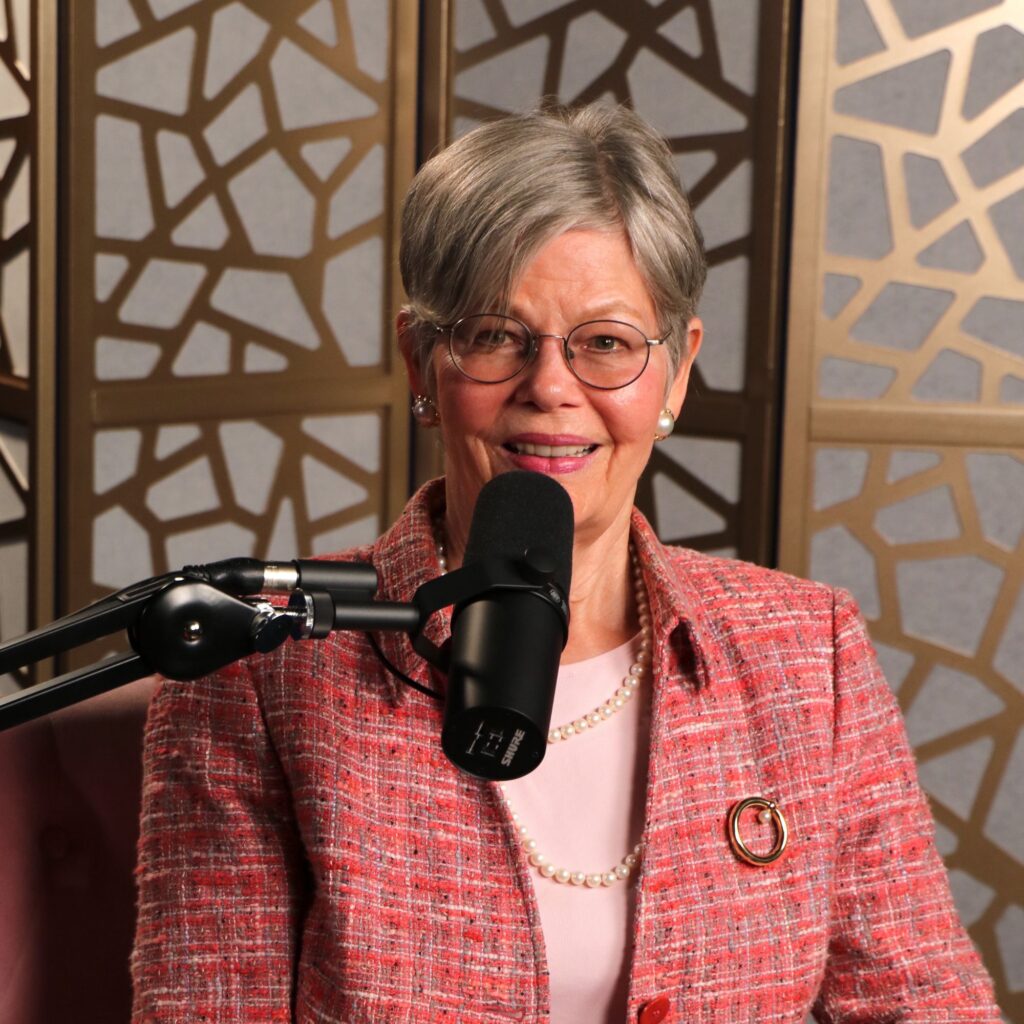
Ginger Clark shares her personal journey battling breast cancer. Despite the challenges, she expresses gratitude and highlights the importance of early detection through regular mammograms. The episode also delves into rural healthcare issues, emphasizing the struggles small hospitals face in providing adequate services. Ginger speaks to Dorothy about healthcare access, particularly for uninsured women, and the complexity of reconstructive surgery decisions.